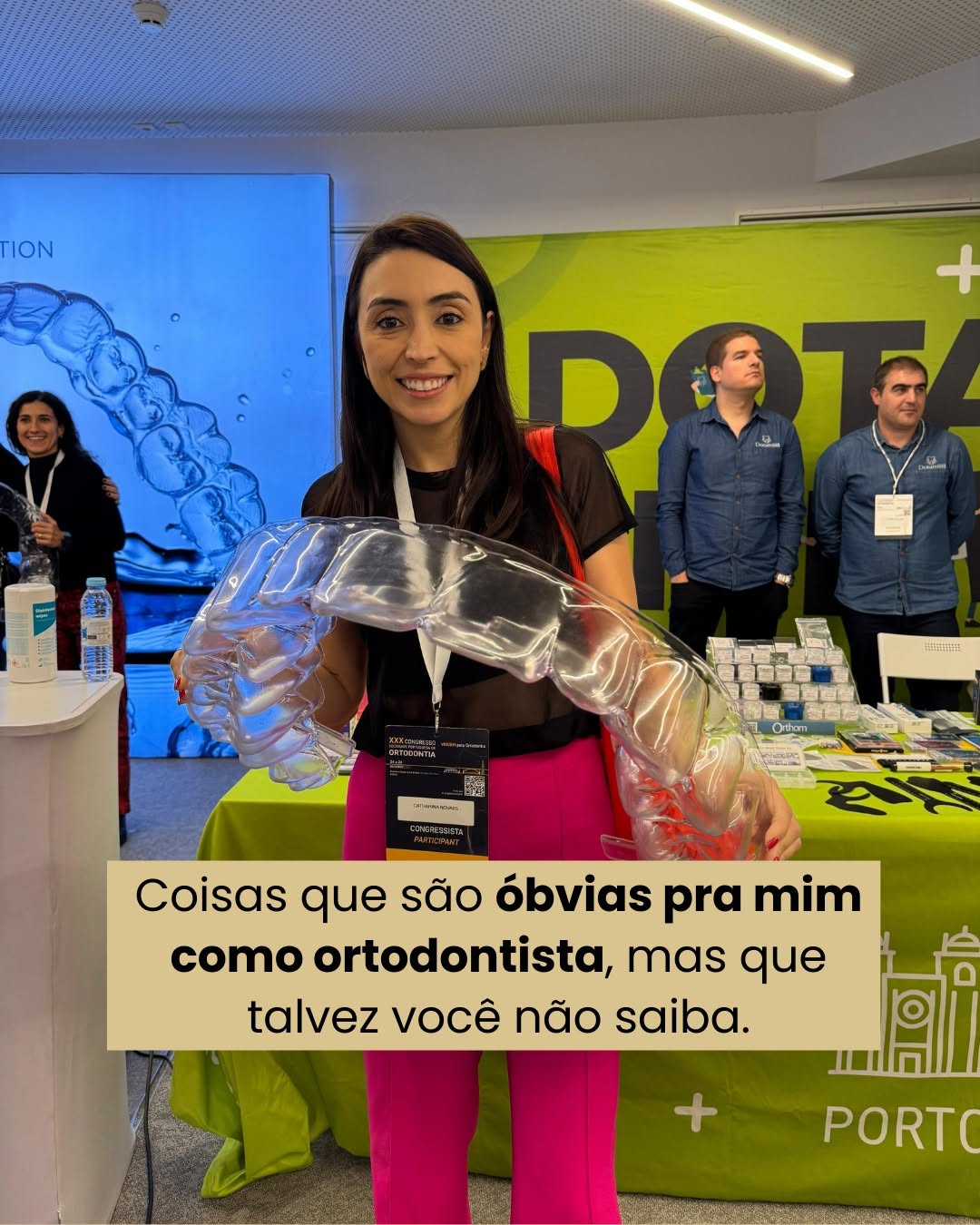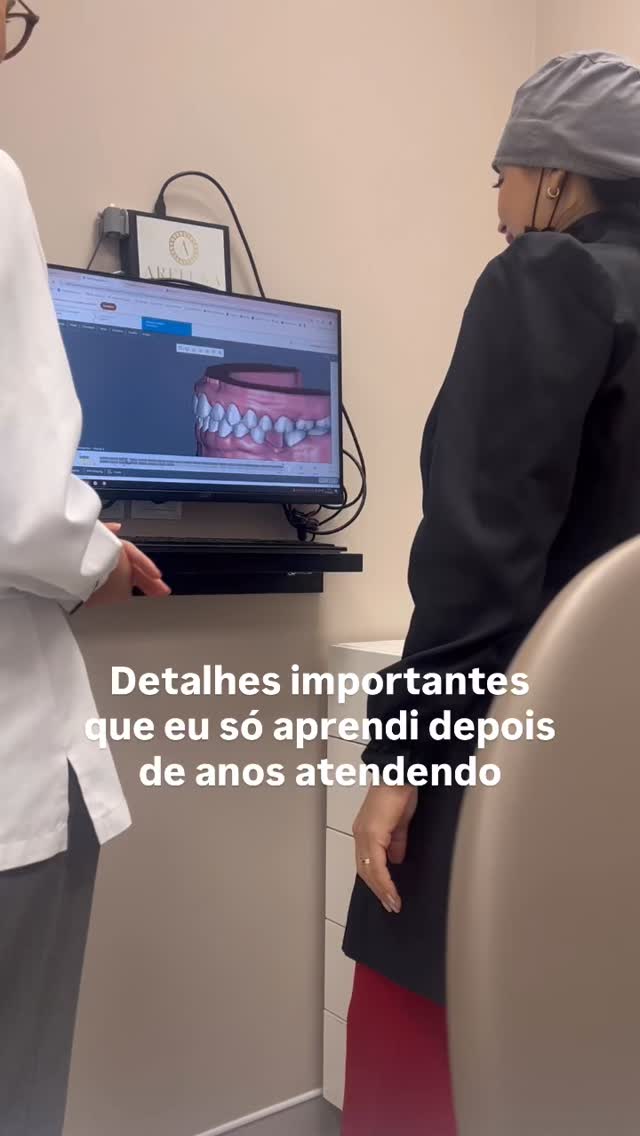
To choose the right braces, you need more than a “discreet look” or the most common option—you need a plan that fits your teeth, your goals, and your routine.
Many people start by asking, “Which braces are the most invisible?” or “Which one is cheaper?” However, orthodontic treatment is not one-size-fits-all. Each type of appliance has strengths, limits, and different levels of day-to-day commitment.
Why there is no single “best” braces option
Orthodontics is personalized because every mouth is different. Your bite, spacing, tooth position, gum health, and even habits (like clenching or mouth breathing) can change what is recommended.
A discreet option can be a great choice, but it may require more discipline. On the other hand, a more visible option can offer stronger control for certain movements. Price also matters, yet focusing only on the initial cost may lead to longer treatment time or extra maintenance.
What really guides the best choice (beyond aesthetics)
A good decision usually balances three things:
- Diagnosis and clinical needs: what must be corrected (alignment, bite, spacing, crowding).
- Treatment goals: what result you want and what is realistic for your case.
- Your routine: how you live day to day and how consistent you can be.
In practice, orthodontists also consider:
- Comfort and adaptation (cheeks, lips, speech)
- Oral hygiene (how easy it is to brush and floss)
- Appointment schedule (how often you can come in)
- Predictability (how much control is needed for specific movements)
- Total cost (maintenance, replacements, emergencies, and time)
Main types of orthodontic appliances (and when they may fit)
Below is a simple guide to help you understand common options. The final choice should always come after an in-person evaluation.
Fixed metal braces
Often works well when:
- Your case needs strong, precise control.
- You want a system that does not depend on remembering to wear it.
May not be ideal if:
- You strongly prefer a discreet look.
- You struggle with cleaning around brackets (although tools can help).
Ceramic (tooth-colored) braces
Often works well when:
- You want fixed braces with a more subtle appearance.
- Your case is suitable for a fixed approach but aesthetics matter.
May not be ideal if:
- You want the lowest-maintenance look (ceramic can stain if hygiene is poor).
- You expect “invisible” results—these are still visible up close.
Clear aligners (removable trays)
Often works well when:
- You can wear them consistently (usually 20–22 hours/day).
- You want a discreet option and value easy brushing and flossing.
May not be ideal if:
- You forget to wear them, snack often, or remove them frequently.
- Your case needs movements that require more complex control.
Lingual braces (behind the teeth)
Often works well when:
- You want fixed braces that are hidden from the front.
- You prefer not to manage a removable system.
May not be ideal if:
- You are sensitive to speech changes or tongue irritation.
- Your routine makes frequent adjustments difficult.
Extra aids (elastics, expanders, retainers)
Some plans include additional parts. Elastics can improve bite correction, expanders can create space, and retainers help keep results stable after active treatment.
Aesthetics vs. effectiveness: how to balance both
Aesthetics is a valid priority. Still, it should be one factor among several.
Sometimes you can “trade” a bit of discretion for better control and a more predictable outcome. In other cases, you can get both: a discreet system that still matches the movements your teeth need.
The key is knowing what is negotiable and what is not. That is why a proper diagnosis matters.
Routine: the factor that most often affects results
Even the best plan can fail if it does not fit your lifestyle.
If you travel often, you may need a schedule that is easy to maintain. If you speak publicly for work, you may care more about visibility and speech adaptation. If you play contact sports, protection may be important.
Consider these quick questions:
- Can you commit to daily instructions (including elastics if needed)?
- Is your hygiene routine already strong enough for brackets or attachments?
- How often can you come for check-ups?
- Do you need a discreet look for work or personal reasons?
Price vs. total cost: what to think about
The cheapest option upfront is not always the most affordable overall.
Total cost can include:
- Repairs or replacements (lost aligners, broken brackets)
- Extra visits for urgent issues
- Longer treatment time if progress slows
- Retainers and follow-up care
A transparent discussion helps you compare options fairly and avoid surprises.
Common myths about “discreet” braces
Myth: “Invisible options are always faster.”
Speed depends on your case and your cooperation. Some treatments move faster with more direct control.
Myth: “More expensive always means better.”
Higher cost may reflect materials or technology, but the best choice is the one that matches your needs.
Myth: “The most common braces work for everyone.”
Popular options can be excellent, yet some cases benefit from different mechanics.
Don’t forget retention: the step that protects your result
Treatment does not end the day braces come off.
Retention is part of the plan because teeth can shift over time. Your orthodontist will recommend the best type of retainer and how to use it. Following this step is essential to keep your new smile stable.
What happens in an orthodontic evaluation
A proper evaluation usually includes:
- A clinical exam of teeth and gums
- Photos and scans or impressions
- X-rays when needed
- A clear plan with options, pros/cons, and expected steps
That visit is where you can discuss aesthetics, comfort, timing, and budget—calmly and with guidance.
Next steps: get a personalized recommendation
If you want to choose the right braces with confidence, the safest path is an individual assessment.
You can learn more about the clinic and approach here: Catharina Novaes.
When you are ready to talk through your options and get a plan tailored to your routine, message us on WhatsApp: https://wa.me/+351926533304.
Educational content only. A personalized diagnosis is required before any treatment decision.