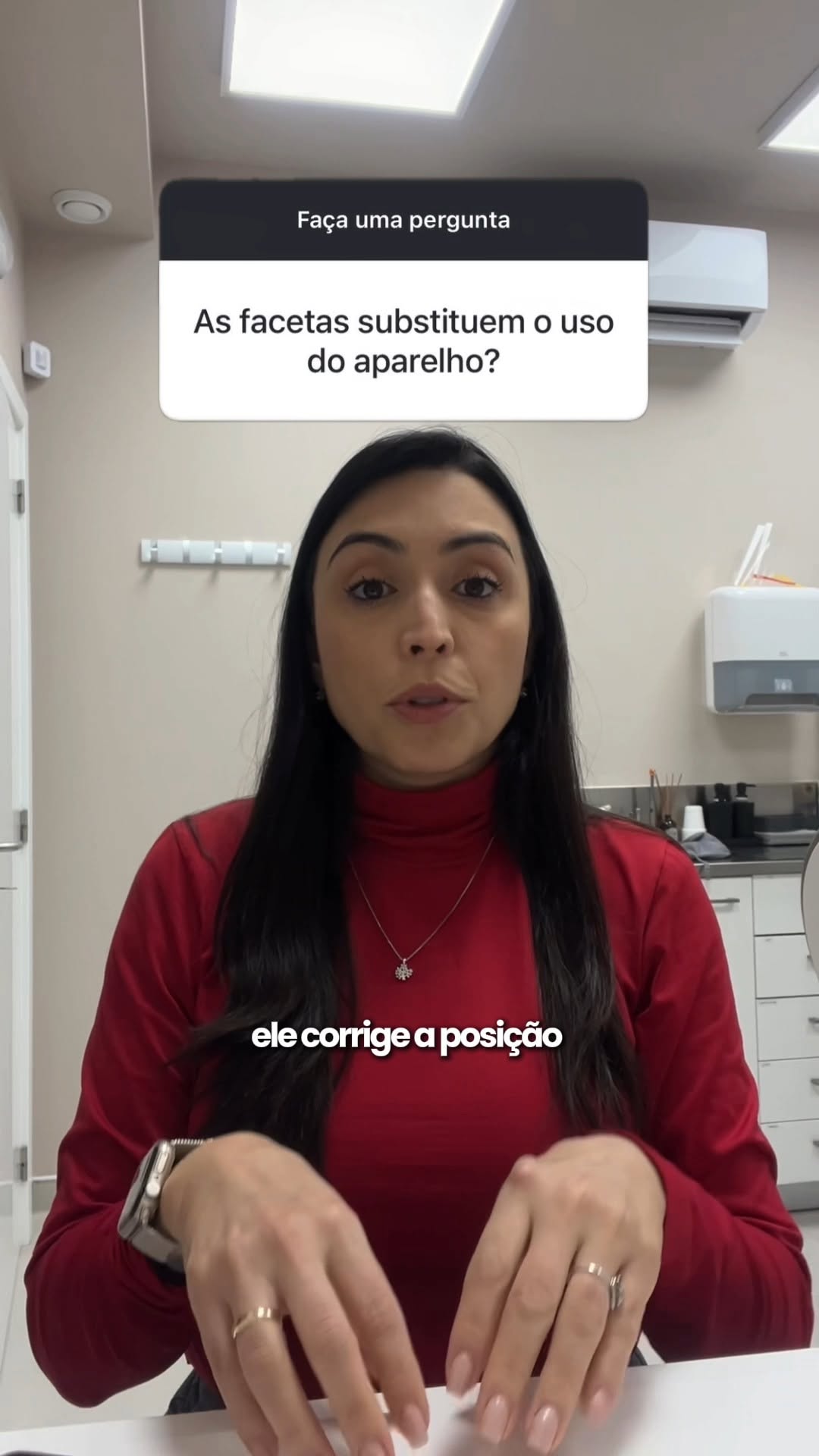
First dental appointment nerves are more common than most people think, and you deserve a calm, respectful start. Instead of “just looking at teeth,” the first visit is where trust begins, questions are welcome, and a clear plan is built at your pace.
Why the first visit is more than a check
Many people delay care because they expect judgment, pain, or pressure to decide fast. However, a good first consultation is designed to reduce uncertainty.
It is also the moment to understand you as a whole person: your health history, routines, concerns, and goals. When you feel heard, it becomes easier to move forward with confidence.
What happens during an initial dental evaluation (step by step)
Every clinic has its own flow, yet most first visits include the same key parts:
- Conversation first: what brought you in, what you want to improve, and what worries you.
- Health history: medical conditions, medications, allergies, past dental experiences.
- Oral exam: teeth, gums, bite, and signs of wear or inflammation.
- Extra tests if needed: X-rays or photos to see what the eyes cannot.
- Clear explanation: what is happening and why it matters, in simple language.
- Options and priorities: what should be treated now, what can wait, and what prevention looks like.
- Next steps: a proposed timeline and what the first treatment visit would involve.
If something is urgent (like strong pain, swelling, or a broken tooth), the plan may start with relief and safety first. Then, once things are stable, longer-term care can be planned.
If you feel fear, stress, or past trauma
Fear of the dentist is not “overreacting.” Sometimes it comes from a bad experience, and sometimes it is simply the fear of not being in control.
These strategies often help:
- Tell your dentist what you feel (even a short sentence helps).
- Agree on a stop signal (a raised hand works well).
- Ask for short breaks during the exam.
- Request “tell-then-do” communication: what will happen, what you may feel, and how long it takes.
- Start small: in some cases, the first visit can be only evaluation and conversation.
Most importantly, you should never feel rushed. A respectful pace builds safety, and safety builds consistency.
What “personalized treatment plan” really means
A plan is not just a list of procedures and a price. A personalized plan is a shared decision that considers:
- Your main problem and your main goal (health, comfort, aesthetics, or all of them)
- Different options (when more than one approach is possible)
- Pros and cons in plain words
- Phases (so you can spread care over time)
- Your comfort level and how you prefer to go step by step
Because of that, you do not have to decide everything on the spot. First you understand, then you choose.
How to prepare for your appointment (simple checklist)
To make the visit smoother, consider bringing:
- A list of medications you take
- Notes on medical conditions or allergies
- Any old X-rays or reports (if you have them)
- A short list of your top 3 questions
- What you want to change (for example: “I want to stop bleeding gums” or “I want to smile with more confidence”)
Helpful questions to ask:
- “What is the main issue you see today?”
- “What should be treated first, and why?”
- “What are my options, and what changes between them?”
- “How many visits might this take?”
- “What can I do at home to support the treatment?”
Signs of a human, patient-centered dental visit
If you are looking for a more comfortable experience, these are good signs:
- The dentist listens without judgment
- The explanation is clear and calm
- You are offered choices, not pressure
- Comfort is checked during the exam
- Costs and steps are transparent
Trust is built through small moments of clarity and respect.
After the evaluation: what to expect next
After your first visit, you may:
- Receive a written plan or a follow-up visit to review it
- Get a timeline with phases (urgent care, health foundation, then aesthetics if desired)
- Leave with prevention steps that already improve your day-to-day comfort
If you want to read more about care and services, you can also visit the clinic’s website at catharinanovaes.pt.
Next steps (Porto)
If you are in Porto and want a first dental appointment that feels calm, clear, and respectful, the next step can be simple. Send a message on WhatsApp to talk through your needs and book your evaluation: https://wa.me/+351926533304