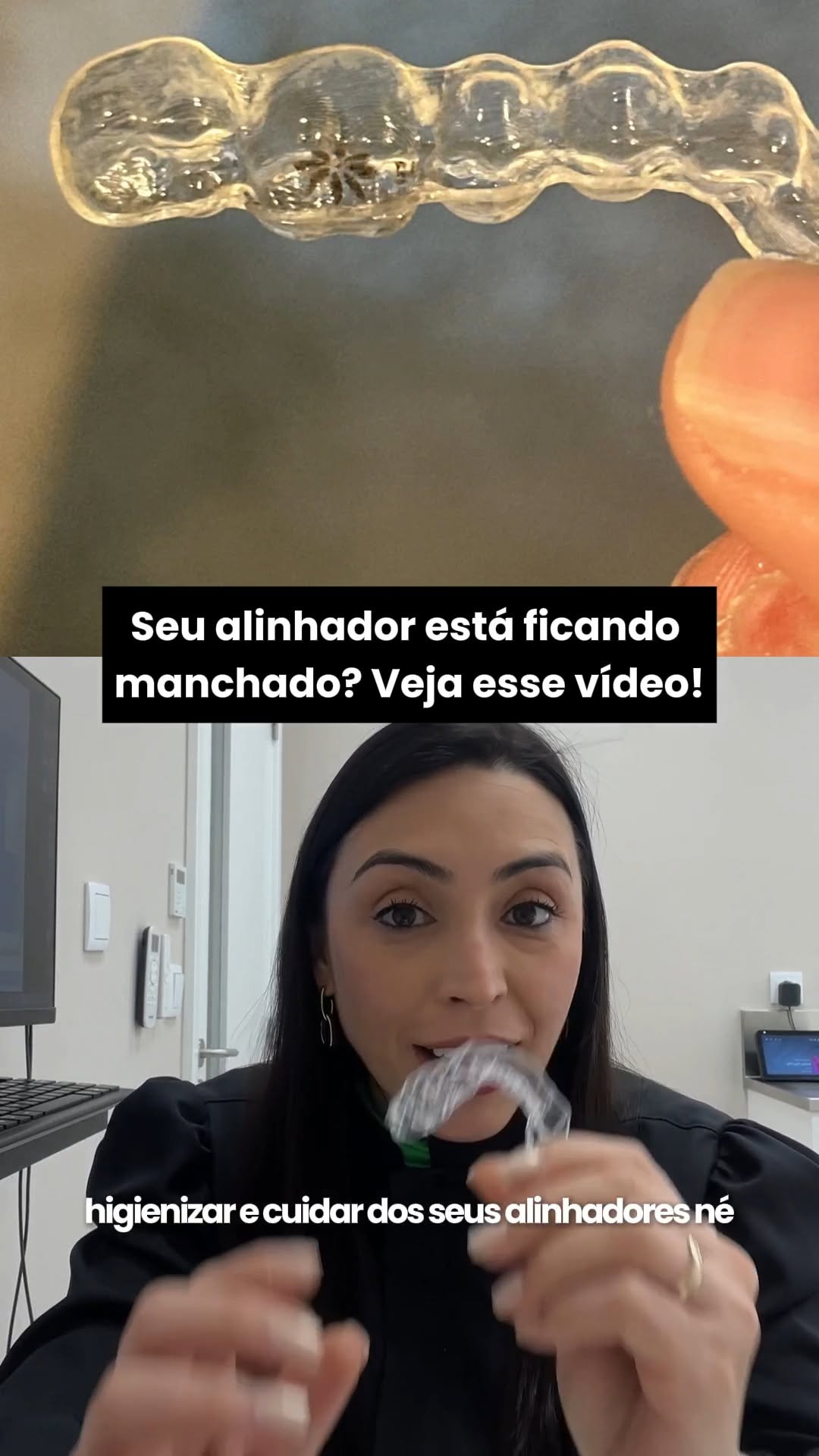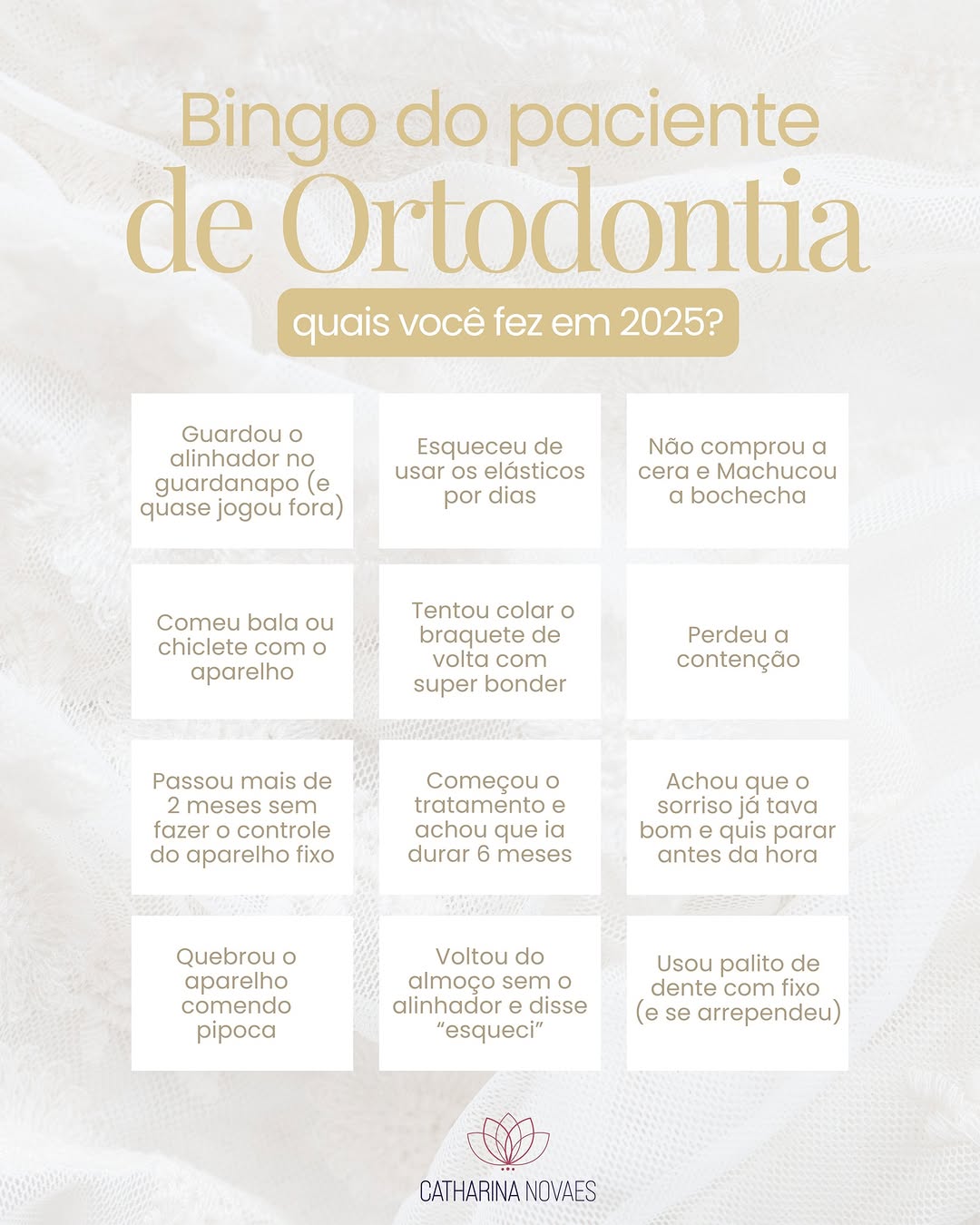
The habits that delay orthodontics may seem harmless, but when they accumulate, they push the end of the treatment forward. This light and shareable guide was born from our Instagram bingo: if you marked 3 or more... see you in 2026? 😅 Now, we turn humor into action with simple tips for fixed braces and aligners in Porto.
Marked 3 or more? See you in 2026? 😅
Joking aside, small daily changes make a big difference. With consistency and some reminders, it's possible to quickly regain pace and avoid unnecessary delays.
Why small slips cause big delays
Tooth movement depends on light and continuous forces over time. Whenever there are pauses—missed appointments, forgotten elastics, or aligners out of the mouth—the effective treatment time decreases. Additionally, appliance breakages and insufficient hygiene generate emergencies and inflammations that delay adjustments. In short, daily consistency = faster progress.
Bingo/checklist: 21 habits that delay—and how to correct them
-
Forgetting elastics "just for today."
Why it delays: interrupts continuous force.
What to do: use alarms and carry extra elastics in the case. -
Skipping adjustment appointments.
Why it delays: postpones essential activations.
What to do: reschedule immediately and confirm the time the day before. -
Nail biting or chewing on caps.
Why it delays: risk of detaching brackets.
What to do: replace with stress balls; keep hands busy. -
Frequently drinking soda/energy drinks.
Why it delays: increases demineralization and gum inflammation.
What to do: prefer water and limit acidic/sugary drinks. -
Eating sticky or very hard foods.
Why it delays: breaks brackets and wires.
What to do: cut hard foods into small pieces and avoid sticky ones. -
Changing aligners before or after the indicated time.
Why it delays: compromises the planned sequence.
What to do: follow the prescribed schedule and confirm doubts with the clinic. -
Removing aligners for long periods at events.
Why it delays: reduces daily usage hours.
What to do: plan meals and put them back on right after eating. -
Not using nighttime retainers (post-treatment).
Why it delays: risk of relapse.
What to do: create a fixed nighttime routine and use reminders. -
Ignoring brushing and flossing at night.
Why it delays: inflammation and cavities interrupt adjustments.
What to do: have a portable kit and brush after meals. -
Not reporting a detached bracket or fallen attachment.
Why it delays: tooth stops receiving force.
What to do: inform the clinic immediately; don't wait for the next appointment. -
Ignoring persistent pain or sores that don't improve.
Why it delays: may signal something unexpected.
What to do: contact the clinic for guidance. -
Going out without an aligner case.
Why it delays: losses and contamination.
What to do: always carry a case and napkins. -
Not using a mouthguard in contact sports.
Why it delays: risk of trauma and breakages.
What to do: use a guard suitable for the appliance. -
Delaying professional cleaning.
Why it delays: plaque and tartar hinder tooth movement.
What to do: keep hygienist appointments. -
Drinking coffee or tea with aligners.
Why it delays: stains and deforms material.
What to do: remove for hot drinks and put back on after rinsing. -
Not noting down questions for the appointment.
Why it delays: late decisions and confusion.
What to do: keep notes on your phone. -
Making "DIY fixes" on the appliance/aligners.
Why it delays: worsens the problem and can cause injury.
What to do: stop and talk to the orthodontist. -
Chewing ice or very crunchy snacks.
Why it delays: microfractures and breakages.
What to do: switch to softer options. -
Removing elastics when it starts to hurt.
Why it delays: initial pain is expected; removing restarts the cycle.
What to do: keep using them and follow pain relief if recommended. -
Not updating the clinic after illness/medication.
Why it delays: some medications affect tooth movement.
What to do: always inform about prolonged treatments. -
Losing an aligner and skipping to the next.
Why it delays: can create gaps and misalignments.
What to do: contact the clinic for a safe plan.
Fixed vs. aligners: where discipline matters more
In fixed braces, discipline is in diet, hygiene, and elastic use. For aligners, the critical factor is daily wear time and the correct sequence of changes. In both, timely appointments and quick communication about breakages prevent lost weeks.
How to regain pace in 3 steps
- Recognize patterns: identify 1 to 2 habits that fail the most.
- Adjust the routine: set alarms, create portable kits, and use habit apps.
- Align with the orthodontist: agree on a realistic plan for the coming weeks.
If you need immediate guidance, contact us via WhatsApp: send message.
Warning signs and emergencies
Contact the clinic if there is a detached bracket, wire causing discomfort, pain that doesn't subside after a few days, persistent sores, or lost/broken aligner. In Porto, we are nearby to quickly resolve and get the treatment back on track.
Useful resources
- Printable bingo checklist for the fridge door.
- Phone alarms for elastics and aligner changes.
- Habit app to track daily use and hygiene.
- Patient guide from the American Association of Orthodontists with essential care tips.
Frequently asked questions
-
I forgot the elastics for 3 days. What do I do?
Start using them now and contact the clinic to confirm if the plan needs adjusting. -
A bracket came off. Is it urgent?
Yes, inform the clinic to replace it; avoid hard foods until then. -
I lost an aligner. Should I skip to the next one?
Don't decide alone. Talk to the clinic for the safest option. -
Can I chew gum with aligners?
It's not recommended. Remove aligners to eat and drink, except water. -
How long should I wear aligners each day?
Follow your orthodontist's prescription; generally, extended and consistent use is key. -
What should I always carry in my backpack/bag?
Aligner case, extra elastics, toothbrush, dental floss/tape, and interdental brush.
Next steps in Porto
Want to speed up treatment with close support and no drama? Visit Clínica Catharina Novaes in Porto and schedule a conversation via WhatsApp: talk now. Keep this bingo, share it with someone using braces, and tell us: which square is your match?