The technological evolution has profoundly transformed the practice of dentistry, particularly in the field of orthodontics, where digital advancements have revolutionized the way corrective treatments are diagnosed, planned, and executed.
This revolution, grounded in high-precision digital tools, has enabled more efficient, minimally invasive actions focused on the individual needs of each patient within an increasingly sophisticated technical framework.
In this context, invisible aligners stand out as an innovative solution that combines aesthetic discretion with cutting-edge technology.
What are invisible aligners?
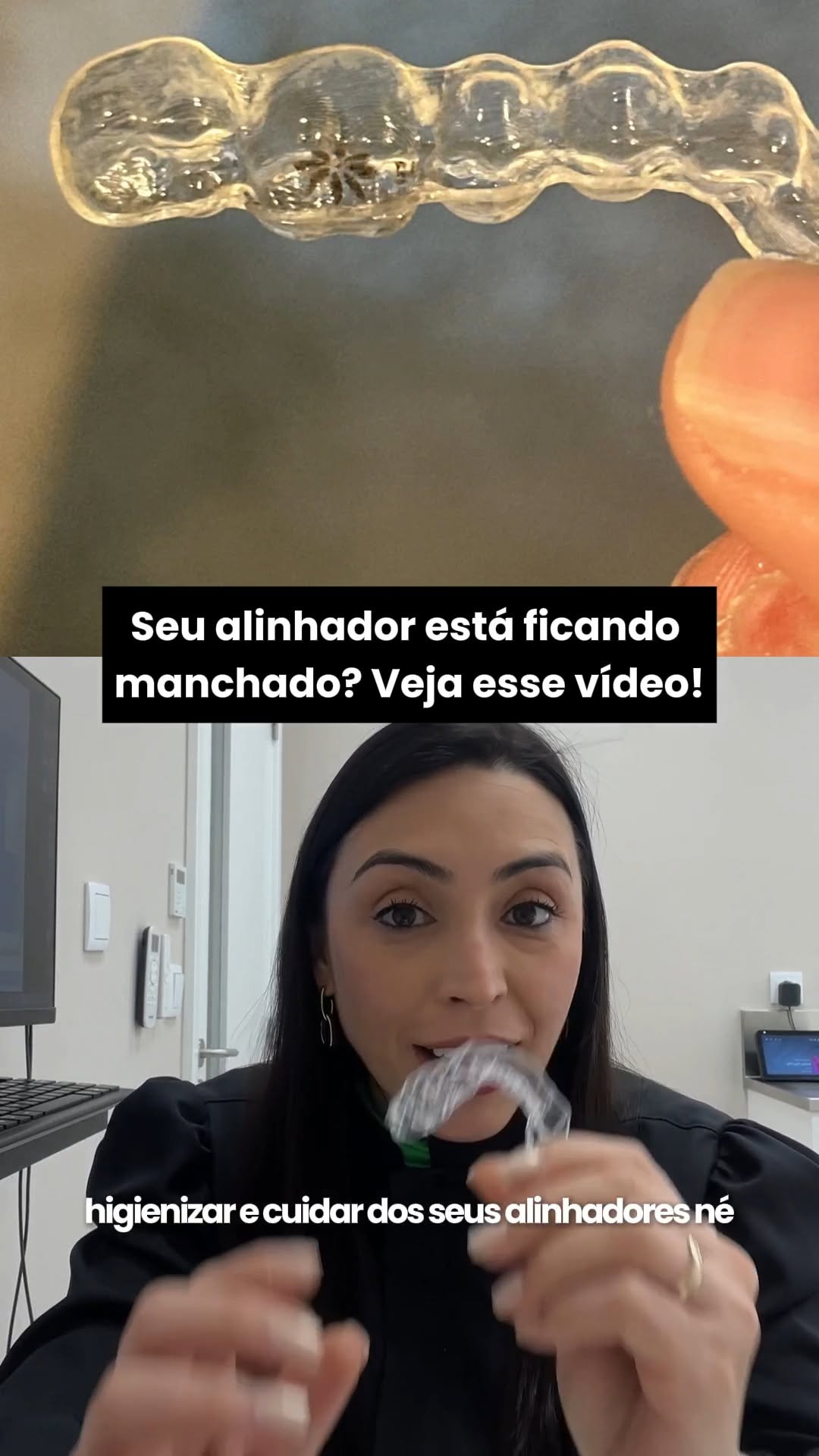
Invisible aligners are removable and almost imperceptible devices that progressively correct dental positioning. Made from transparent, biocompatible thermoplastic material, these aligners are custom-produced from three-dimensional digital models of the patient's mouth.
Unlike conventional fixed braces, which consist of brackets and metal wires requiring periodic manual adjustments, invisible aligners operate through pre-programmed digital forces—calculated based on clinical algorithms and personalized biomechanical modeling, applied continuously. This approach allows for more predictable, smooth dental movement tailored to each patient's physiology, reducing discomfort and increasing treatment efficacy.
Digital Orthodontics: Three-Dimensional Planning and Result Simulation
The effectiveness of invisible aligners is largely due to the advancement of digital orthodontics and the consolidation of data-based methodologies. In fact, the process begins with intraoral digitization, replacing traditional plaster molds with high-precision images obtained through 3D scanners. This technology allows the orthodontist to analyze occlusion, plan each treatment phase, and predict dental movements with a high degree of accuracy.
One of the aspects most valued by patients is the simulation of results. Through specialized software, such as that used in the Invisalign system, it is possible to visualize the treatment's progress and the expected final result in real-time. This feature not only increases patient adherence but also promotes clear, transparent, and direct communication between the professional and the patient.
Clinical Indications for Invisible Aligners
Invisible aligners are indicated for treating a wide range of malocclusions, namely:
- Mild to moderate dental crowding
- Diastemas (spaces between teeth)
- Crossbite, open bite, or overbite
- Orthodontic relapses after previous treatments
Despite technological advances and the clinical versatility of invisible aligners, it is important to emphasize that their application is not universally indicated. In highly complex situations, such as severe dental movements or significant skeletal anomalies, traditional fixed braces may prove more effective.
Aesthetic and Functional Benefits
- One of the main attractions of invisible aligners is their aesthetic discretion. The transparent material gives them an almost invisible appearance, making them especially appealing to adults and teenagers who wish to correct their smile without compromising personal image or psychosocial well-being.
- Additionally, the comfort is significantly superior to conventional braces. The absence of metal structures prevents wounds and irritations in the mucosa, allowing for quicker and less painful adaptation. Furthermore, being removable facilitates oral hygiene, reduces the risk of cavities and gum diseases, and allows for unrestricted eating.
Limitations and Clinical Considerations
Despite numerous advantages, invisible aligners present some clinical limitations that should be considered:
- Their effectiveness largely depends on patient cooperation, as frequent removal or inconsistent use can compromise results—considering that the success of this specific treatment depends on the continued and disciplined use of aligners (daily use between 20 to 22 hours).
- Another factor to consider is the cost, which tends to be significantly higher than conventional metal braces.
In conclusion, invisible aligners represent one of the most advanced expressions of digital orthodontics, offering effective, discreet, and personalized solutions for dental correction.
Combining three-dimensional planning, result simulation, and greater patient comfort, this approach continues to gain ground in the realm of modern dentistry.
However, a thorough evaluation by an orthodontist is essential to determine the appropriate indication and ensure that the treatment choice aligns with each patient's clinical needs. Thus, the alliance between technology, specialized training, and clinical experience remains the cornerstone of therapeutic success in orthodontics.