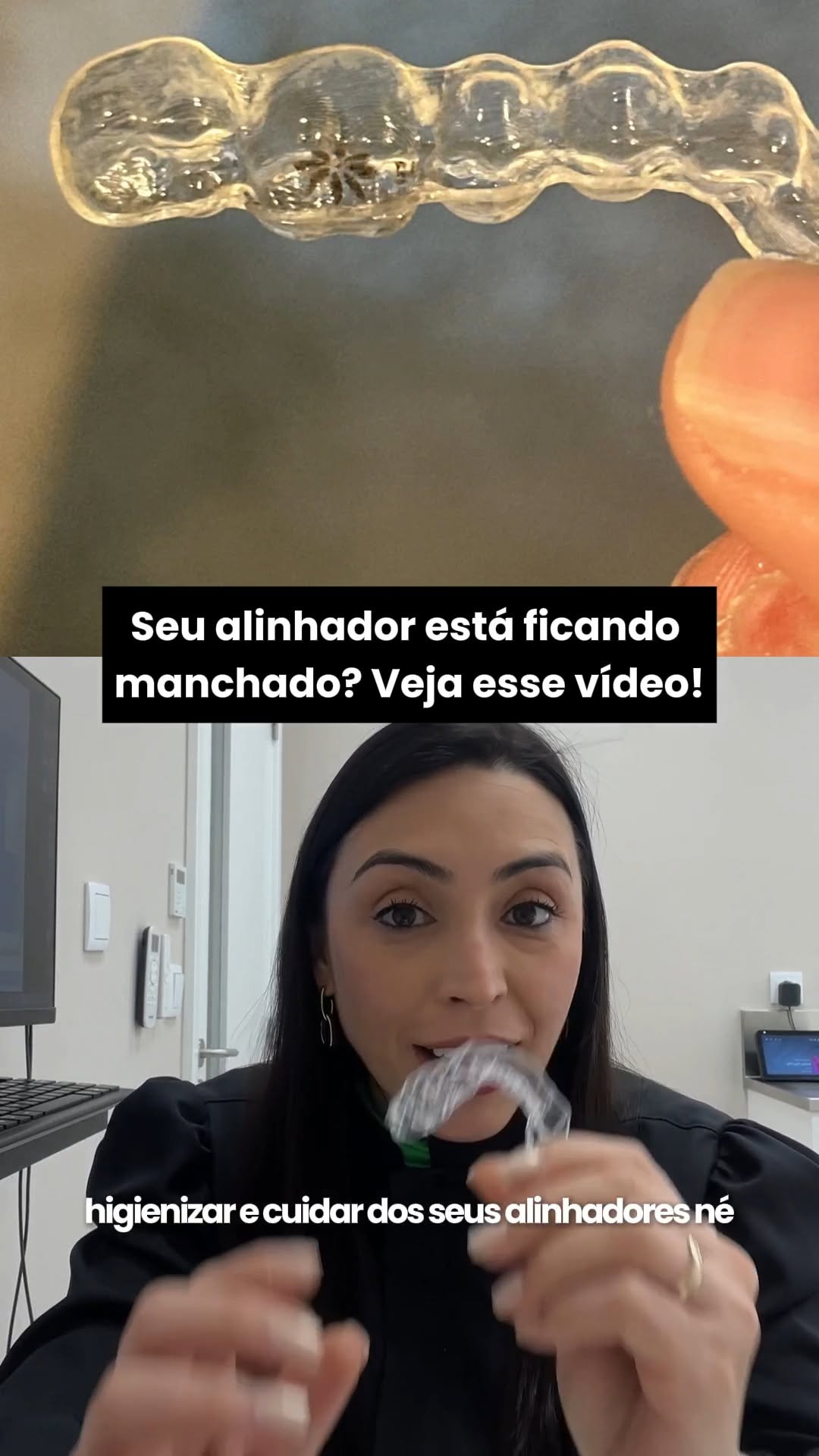
Lost Invisalign aligner moments can trigger a real “mini panic”, however most cases are fixable when you act fast and follow the right steps.
Aligner treatment is not only about looks. It also depends on consistency, smart habits, and quick communication when something unexpected happens. This guide will help you stay safe, protect your progress, and know when to reach out.
First: take a breath (this is common)
Misplacing an aligner happens more often than people think—during meals, travel, busy workdays, or even while cleaning it. The important part is what you do next.
Try not to “solve it” with random changes, because small choices can affect comfort and fit.
What to do in the first 24 hours (quick checklist)
Use this simple plan to turn stress into action:
Do this:
- Look for the last aligner that fits well. Check your case, bathroom counter, napkins, desk, and car.
- If you still have the previous aligner, try it on. Wearing something is usually better than wearing nothing.
- Store any aligner you find in its case. This prevents damage or accidental loss.
- Message your orthodontic team as soon as possible with clear details (template below).
Avoid this:
- Don’t force the next aligner if it feels like it “won’t go in.”
- Don’t stop wearing aligners completely unless your orthodontist tells you to.
- Don’t use hot water to “reshape” plastic. Heat can warp it.
- Don’t cut, bend, or glue an aligner. It can become sharp and unsafe.
Scenario 1: You lost your current aligner
If your current aligner is missing, the usual safe options are:
- Go back to the previous aligner (if you still have it) until you get guidance.
- Move forward to the next aligner only if your orthodontist confirms it’s okay. Sometimes it works, but it depends on timing and fit.
Even if you feel “fine,” teeth can shift faster than you expect when nothing is holding them in place.
Scenario 2: The next aligner doesn’t fit
A next aligner that won’t seat properly is a sign to pause and check what’s going on.
Common reasons include:
- Not enough wear time on the last aligner
- Switching too early
- An attachment (small tooth-colored bump) came off
- The aligner got slightly warped (often from heat)
- Buildup from plaque or dried residue affecting fit
Mild pressure is normal with a new aligner. Sharp pain, a clear gap, or a “floating” edge is not something to ignore.
Scenario 3: You don’t have the previous aligner either
This is exactly why clinics often recommend keeping your previous trays.
If you don’t have it, your team may:
- Ask you to try the next aligner (carefully) and report how it fits
- Adjust your schedule
- Order a replacement or provide a new plan
Because every case is different, it’s best not to guess.
Why “just skipping ahead” can backfire
It’s tempting to jump to the next tray and hope for the best. Still, skipping can cause problems such as:
- Poor fit that leads to slower progress
- More soreness than expected
- Unplanned delays later (because you may need to “catch up”)
- Higher chance of attachments popping off
The goal is steady, controlled movement—not rushing.
How your orthodontic team decides the safest option
Your orthodontist’s advice is based on practical details, for example:
- Which aligner number you are on
- How many days you wore the lost tray
- How well the next tray fits (and where it doesn’t)
- If you have attachments and whether any are loose
- Your wear time habits and upcoming appointments
That’s why fast communication matters: the sooner you share the situation, the easier it is to protect your timeline.
A ready-to-send WhatsApp message (copy/paste)
Send something like this to speed up the decision:
Hi! I lost my aligner #___. I was on day ___ of this tray. I still have the previous aligner: yes/no. I tried the next aligner: yes/no. Fit feels: OK / tight / won’t seat / painful. Attachments: all present / one seems missing. What should I do?
When you’re ready, message via WhatsApp: https://wa.me/+351926533304
Prevention: simple habits that stop most losses
Small routines make aligner treatment much easier.
- Always use your case (never wrap aligners in a napkin)
- Create a “home spot” for your case at work and at home
- Keep aligners away from heat (hot water, car dashboard, heaters)
- Protect from pets (dogs love chewing aligners)
- Keep the previous tray unless your orthodontist says otherwise
Your “aligner kit” for daily life and travel
A small kit can save your progress when life gets messy:
- Aligner case
- Travel toothbrush and toothpaste
- Floss or interdental brushes
- Cleaning crystals/tablets (if recommended)
- A small mirror
- Your clinic’s WhatsApp saved in favorites: https://wa.me/+351926533304
When to contact your orthodontist urgently
Reach out the same day if:
- The next aligner won’t fit or leaves a visible gap
- You feel strong pain (not normal pressure)
- An attachment is missing or sharp edges are rubbing
- The aligner cracked, warped, or cut your gums
If it’s only mild discomfort with a new tray and everything seats fully, you can still message for reassurance—but it may not be urgent.
Next steps (so you stay on track)
Unexpected moments are part of real life, and good treatment planning leaves room for them—when you know what to do.
If anything feels off (lost tray, poor fit, or pain), don’t guess. Contact the team on WhatsApp and we’ll guide you step by step: https://wa.me/+351926533304
For additional patient-friendly guidance on aligners and oral care, you can also explore the resources here: https://www.nhs.uk/conditions/orthodontics/