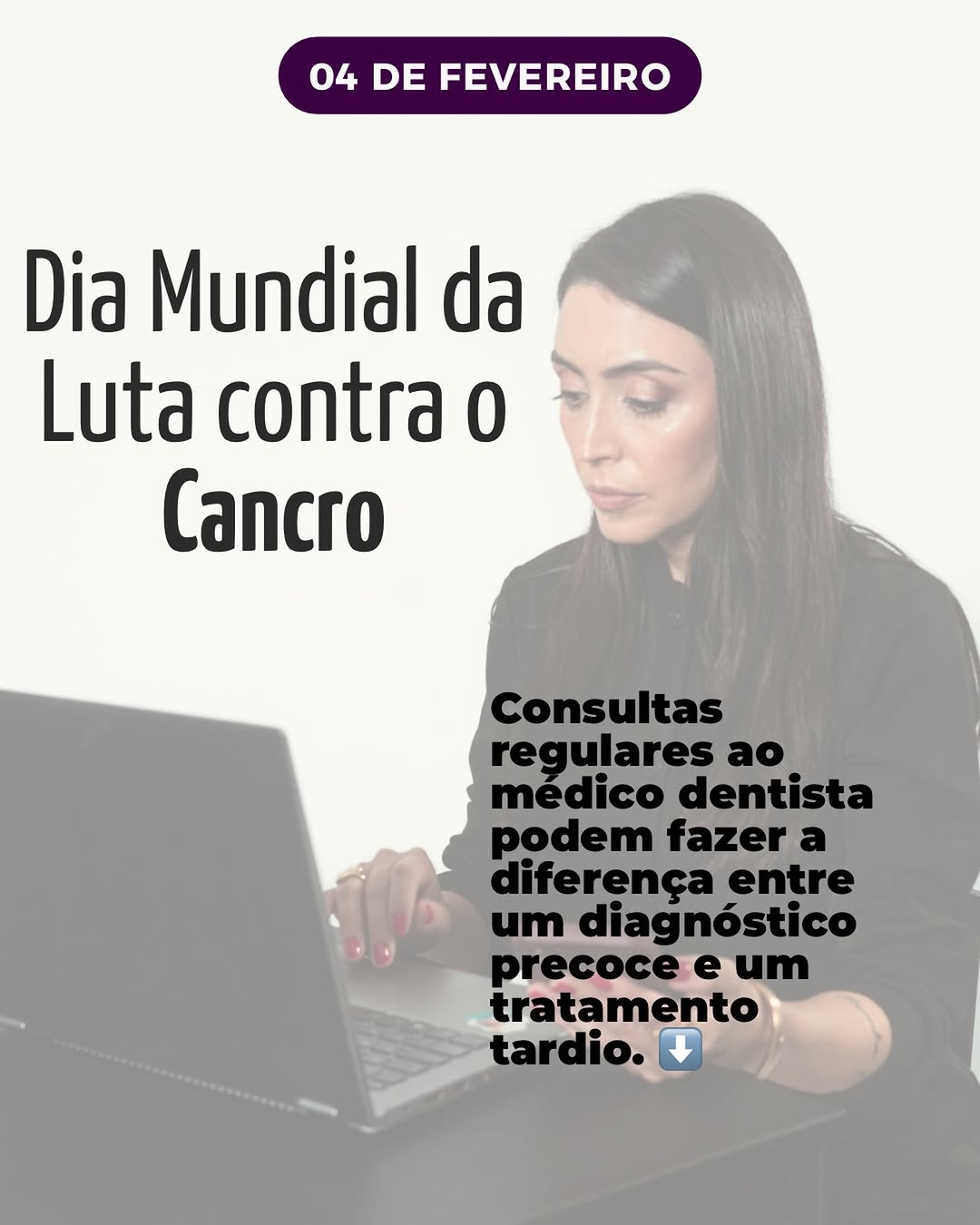
Oral cancer early detection can save lives because this disease may start quietly, with little or no pain.
Many people wait because “it doesn’t hurt,” yet early changes can be easy to miss without a trained eye. That is why routine dental visits matter: your dentist can spot suspicious changes sooner, and early action often means simpler treatment and better outcomes.
Why oral cancer can feel “silent” at first
In the early stages, oral cancer may not cause strong pain or obvious problems. Sometimes it looks like a small sore, a color change, or a rough patch that seems harmless. As a result, people may delay getting checked.
However, time matters. When oral cancer is found early, treatment is often more effective. In many cases, it can also be less aggressive.
Warning signs to watch for
Use this list as a practical guide. If you notice any of these changes, do not ignore them—especially if they last.
- Mouth sores that don’t heal A sore that stays the same (or gets worse) needs attention.
- White or red patches Color changes on the gums, tongue, cheeks, or palate should be checked.
- Lumps or thickened areas A bump, swelling, or tissue that feels thicker than usual can be a warning sign.
- Pain or trouble swallowing Discomfort when eating or drinking may signal irritation that should be evaluated.
- Numbness or loss of feeling Tingling, numb spots, or reduced sensation can be important clues.
- Bleeding with no clear cause Bleeding that happens without injury (or keeps returning) deserves a professional exam.
A simple rule can help: if something in your mouth does not improve within two weeks, book an evaluation. This is not a diagnosis, but it is a safe, practical next step.
What your dentist checks during routine appointments
A dental check-up is not only about teeth. During a routine visit, the dentist can examine the soft tissues of the mouth, including:
- Lips
- Gums
- Cheeks (inside)
- Tongue (top, sides, and underneath)
- Floor of the mouth
- Palate (roof of the mouth)
They look for changes in color, texture, symmetry, sores, thickening, and unusual spots. Because dentists see these areas often, they are well placed to notice what looks different from normal.
What happens if something looks suspicious
Finding a “suspicious” area does not automatically mean cancer. Still, it should be taken seriously.
Depending on what the dentist sees, the next steps may include:
- A short follow-up visit to re-check healing
- Clinical notes and photos to track changes over time
- Referral to a specialist (such as oral medicine/stomatology or ENT)
- A biopsy in some cases, which is a small sample taken to confirm what the tissue is
This process is meant to reduce risk and avoid delays. In other words, it helps you get the right answer sooner.
Who should be extra attentive (risk factors)
Oral cancer can affect anyone, but some factors are often linked with higher risk. If any of these apply to you, regular screening becomes even more important:
- Tobacco use (including smokeless forms)
- Alcohol use, especially when combined with tobacco
- High sun exposure, mainly for the lips
- HPV, which can be related to some mouth and throat cancers
Chronic irritation can also confuse the picture. For example, a sharp tooth or a poorly fitting appliance can cause repeated trauma, which may hide a more serious issue. So, if an area keeps getting irritated, it is worth checking.
A 2–3 minute self-check you can do at home
A quick self-check can help you notice changes early. It does not replace a dental visit, but it can support oral cancer early detection.
All you need is a mirror and good light:
- Look at your lips (front and inside).
- Check your gums and the inside of your cheeks.
- Examine your tongue: top, sides, and underneath.
- Lift the tongue to see the floor of the mouth.
- Look at the roof of the mouth (palate).
- Notice how swallowing feels and whether anything feels “stuck” or painful.
If you see a sore, patch, or lump that does not improve, schedule an appointment.
Regular check-ups = prevention that fits real life
Busy schedules and fear can lead to postponing care. Even so, prevention is usually easier than treatment.
Try these simple habits:
- Keep routine dental visits (your dentist can suggest the best frequency for your risk level)
- Avoid tobacco and limit alcohol when possible
- Use lip SPF if you spend time in the sun
- Address rough teeth or ill-fitting appliances that keep causing wounds
If you want a broader view of how prevention supports overall wellbeing, you can also explore resources on oral care and dental check-ups at Catharina Novaes’ website: Catharina Novaes – Oral Health.
Oral health is part of general health
Your mouth is not separate from the rest of your body. Infections, inflammation, and long-term habits often show signs in the mouth first. Because of that, paying attention to oral changes is a smart part of taking care of your overall health.
Next steps (what to do today)
- Do a quick self-check this week.
- If any warning sign lasts over two weeks, book a dental evaluation.
- Stay consistent with routine visits, even when nothing hurts.
If you have noticed any of the signs above and want guidance on what to do next, you can talk via WhatsApp: https://wa.me/+351926533304
This article is for information only and does not replace professional diagnosis or medical advice.