Orthodontic treatment transfer can feel frustrating when you look in the mirror and think, “Nothing is changing.” In many cases, the fastest way back to progress is not guessing—it is re-checking the diagnosis and rebuilding a clear plan.
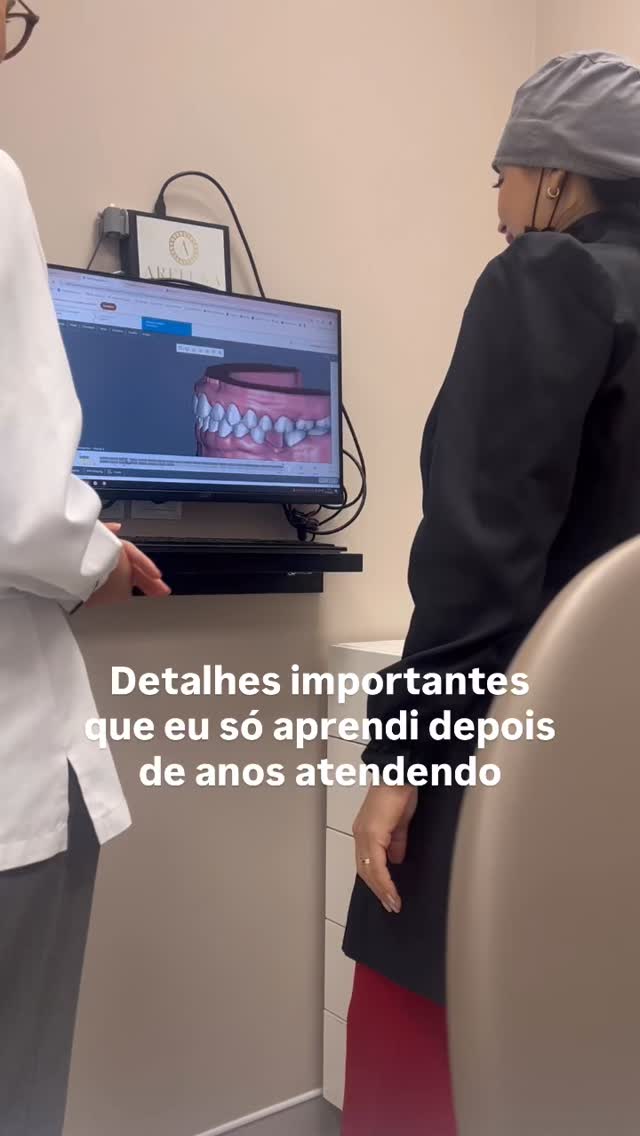
A patient recently arrived after starting braces with another orthodontist in a different country. Her complaint was simple and honest: “I don’t see progress in my treatment.” That feeling is common in transfers, because the new clinic must understand what was done before and what should happen next.
Why a transfer often starts with a new diagnosis
Before adjusting wires or adding new steps, the safest move is to confirm what is happening under the surface.
Updated radiographs (X-rays) can help the orthodontist evaluate:
- Biological factors that may slow tooth movement
- Root position (important for safety and limits)
- Whether the current mechanics match the goals you want to achieve
Even when teeth look “stuck,” the reason may not be visible in photos alone. Because of that, updated records can prevent wasted time and reduce risks.
Keep the existing braces or start over?
In an orthodontic treatment transfer, keeping the same braces setup can be a good option—when key information is available.
It is usually reasonable to keep the appliance if:
- Brackets are well placed and stable
- The bracket system and prescription are known
- There is technical documentation (plan, wire sequence, goals, past issues)
However, this case had a major problem: there was no clinical history at all. The previous orthodontist had moved abroad, and the patient could not provide the details needed for predictable continuation.
Without that information, “continuing where it stopped” becomes risky. So, the most controlled and efficient choice was to remove everything and rebond the braces.
What changes when we rebond and rebuild the plan
Rebonding is not a step backward. It can be a reset that improves control.
When brackets are placed again with a fresh plan, the orthodontist can:
- Correct bracket positions to guide teeth more accurately
- Choose a wire sequence that matches the current needs
- Reduce unwanted side effects (like tipping or uneven leveling)
- Create a clearer path toward the final bite
As a result, forces become more consistent and the mouth often responds better.
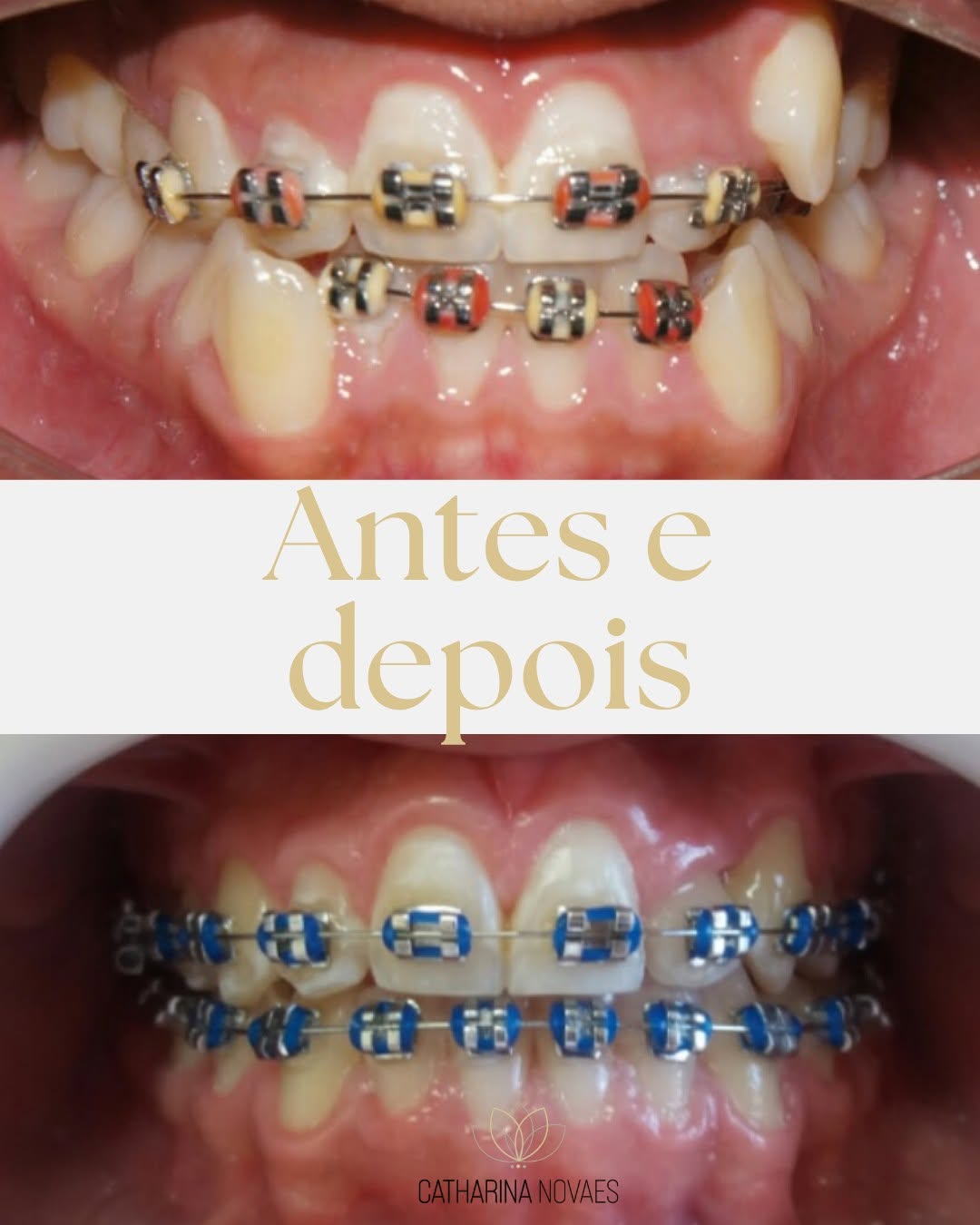
“After 6 visits, I could finally see change”
After the new bonding and a restart of the biomechanical plan, the patient showed visible improvement after 6 follow-up visits.
The main early wins were:
- Better alignment (teeth less crowded and more organized)
- Smoother leveling (a more even smile line)
Just as important, the patient felt confident again. Progress you can see tends to improve motivation, attendance, and cooperation—so the experience matters as much as the measurements.
The next goals: midline, torque, and intercuspation
Once alignment and leveling improve, the focus shifts to refinement.
Typical next steps include:
- Midline: centering the upper and lower teeth for balance
- Torque: improving tooth angulation for a natural look and stable function
- Intercuspation: fitting the bite together so chewing feels solid and comfortable
These details are what turn “straight teeth” into a result that is stable and functional.
Why you may feel “stuck” during orthodontic treatment
A lack of visible progress does not always mean something was done “wrong.” Still, several factors can slow results.
Common reasons include:
- Individual biological response (some mouths move slower)
- Brackets placed in positions that limit control
- Mechanics that do not match the current stage of treatment
- Missed appointments or frequent bracket breaks
- Not using elastics when they are prescribed
Because many causes overlap, a careful re-evaluation is often the best way to move forward.
Checklist: what to ask for when you transfer orthodontic care
If you are changing orthodontists, try to request these items from the previous clinic:
- Initial and most recent photos
- Panoramic and cephalometric X-rays (and dates)
- Treatment plan and goals
- Notes about wires, elastics, and any complications
- Retainer plan (if retention already started)
Even partial documentation can save time. It also helps the new orthodontist plan with more certainty.
For general patient guidance on dental X-rays and why they are used, you can also review information from the American Dental Association.
Next step: get clarity and a plan you can trust
If you are in an orthodontic treatment transfer and feel you are not progressing, the best next move is a structured evaluation and a clear roadmap.
To talk about your case and book an assessment, message us on WhatsApp: https://wa.me/+351926533304