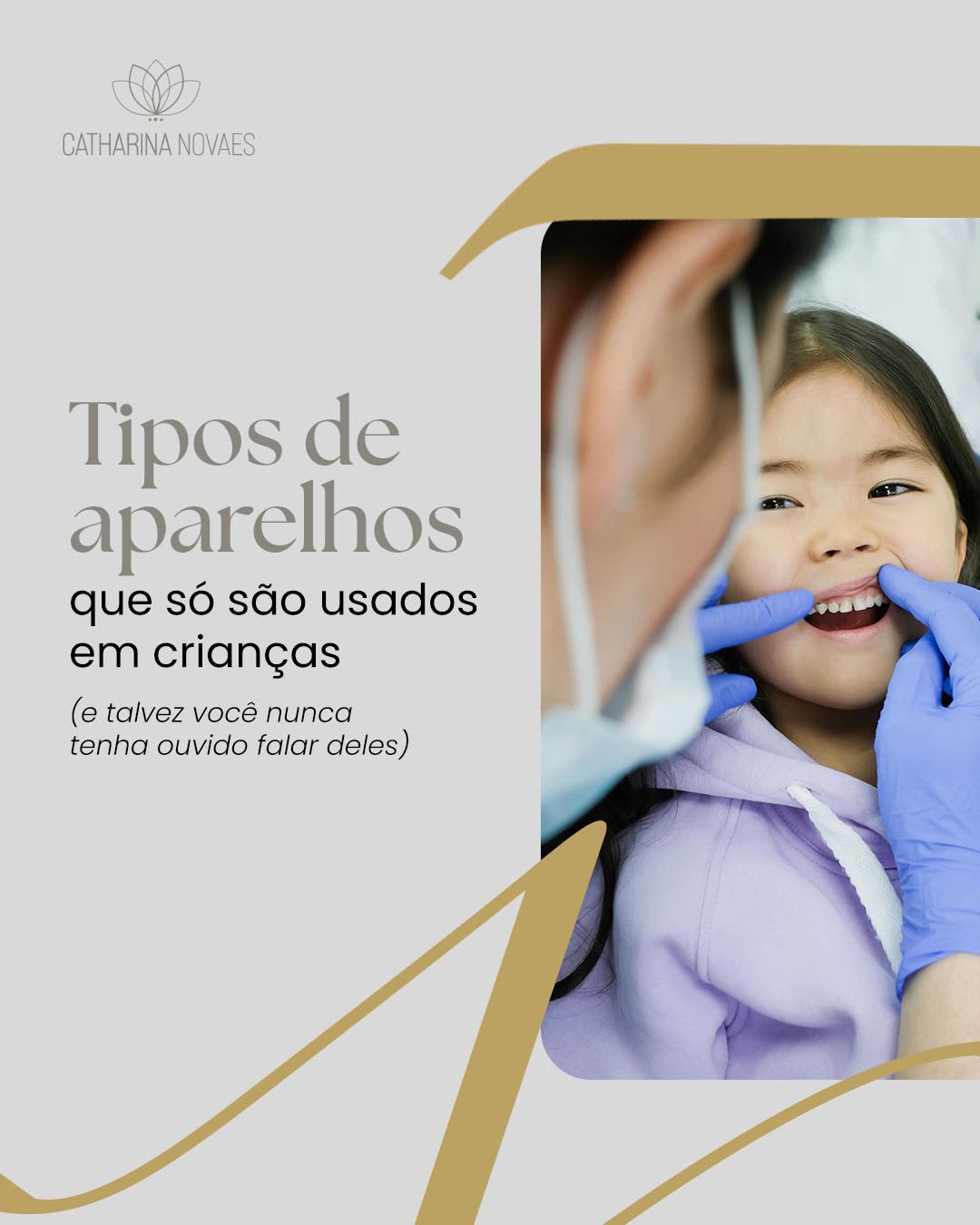
Orthodontics for Children in Porto is not just about aligning teeth: early monitoring helps build the functional foundation for growth, directly impacting speech, chewing, breathing, and even sleep. By calmly assessing the child, we understand habits, tongue posture, and breathing patterns. This way, we prevent emergencies and support more balanced development—without haste or alarmism.
Why Evaluate Early (and What It Means)
Facial growth and the development of dental arches change significantly during childhood. There are windows of opportunity where small guidance can bring great benefits. Moreover, function builds form: when we breathe well, chew efficiently, and the tongue rests in the right place, the face grows more harmoniously.
Evaluating early does not mean "putting braces on early." It involves observing, guiding habits, and deciding, at the right time, if any simple intervention can help. This way, we reduce the risk of future emergencies and discomforts.
Oral Functions That Change Everything
Breathing: Nasal breathing promotes tongue posture on the palate and more restful sleep. Mouth breathing, on the other hand, can be associated with snoring, daytime fatigue, and posture changes.
Chewing: Varying sides, training strength, and chewing for sufficient time stimulate the bones and muscles of the face. As a result, growth becomes more balanced.
Tongue and Speech: Resting position, swallowing, and sound articulation influence how the mouth and arches develop. Consequently, early guidance prevents difficult compensations later.
Sleep: Snoring, restless sleep, and frequent awakenings deserve attention. Often, it is necessary to look integratively at the nose, palate, bite, and daytime habits.
Warning Signs Parents Can Observe
- Mouth breathing, slightly open lips, or drool on the pillow.
- Difficulty chewing tougher foods or eating very slowly.
- Frequent snoring, restless sleep, and daytime fatigue.
- Crossbite/open bite, premature tooth wear, or chapped lips.
- Persistent habits: prolonged pacifier use, nail-biting, or object chewing.
Not Every Case Requires Braces at Age 8
There is a difference between evaluating and intervening. In many situations, it is best to monitor and review periodically without braces. In other cases, stopping a habit, guiding the tongue, or considering expansion can bring clear benefits. It is important to align expectations: each child has their own pace, and the plan is always personalized.
What the First Consultation in Porto is Like
The consultation begins with a conversation to understand routines, sleep, and habits. Then, we observe breathing, chewing, lip sealing, tongue posture, and occlusion. We take simple photographs and, when necessary, request exams or coordinate with an ENT specialist and speech therapist.
In the end, we define a follow-up plan: clear functional goals, periodic reviews, and, if indicated, practical guidance for home. Always with simple explanations and time to answer questions.
Prevention at Home: Small Changes, Big Impact
- Sleep hygiene: calm routines, consistent schedules, and a well-ventilated room.
- Breathing: encourage lip sealing and an unobstructed nose; seek medical evaluation if there is persistent obstruction.
- Diet: age-appropriate consistency to train chewing and strength.
- Habits: gradually reduce pacifier use and objects for chewing; guide the tongue to rest on the palate.
Frequently Asked Questions
What is the ideal age for the first evaluation? Generally, around 7 years old—although earlier signs may justify coming sooner. See the AAO recommendation.
What if the teeth seem straight? It is still worthwhile to evaluate oral functions, tongue posture, and breathing. Sometimes, small adjustments prevent problems later.
Does using braces early "ruin" the teeth? No. When well-indicated and at the right time, it guides growth and can prevent future complications.
How long does the follow-up last? It depends on the growth phase and functional goals. Some cases only require reviews; others benefit from brief and targeted interventions.
Local Reality and Teamwork
In Porto and surrounding areas, school routines and sports demand practical solutions. Therefore, we prioritize simple plans, reviewed in short cycles. When necessary, we work together with ENT specialists, speech therapists, and pediatricians, ensuring a truly interdisciplinary approach.
Want to understand this impact better in daily life? Read this report on breathing and sleep.
Next Steps
If you are in Porto, schedule a calm evaluation for your family. It is simple, welcoming, and without commitment. You can book an evaluation in Porto right now.
Educational content. Does not replace individual clinical evaluation.