For a long time, it was believed that orthodontics was a specialty exclusively for teenagers. However, the demand for orthodontic treatment in adults has been steadily increasing. Nowadays, it is relatively common to find patients over 30, 40, or even 60 years old seeking orthodontic solutions.
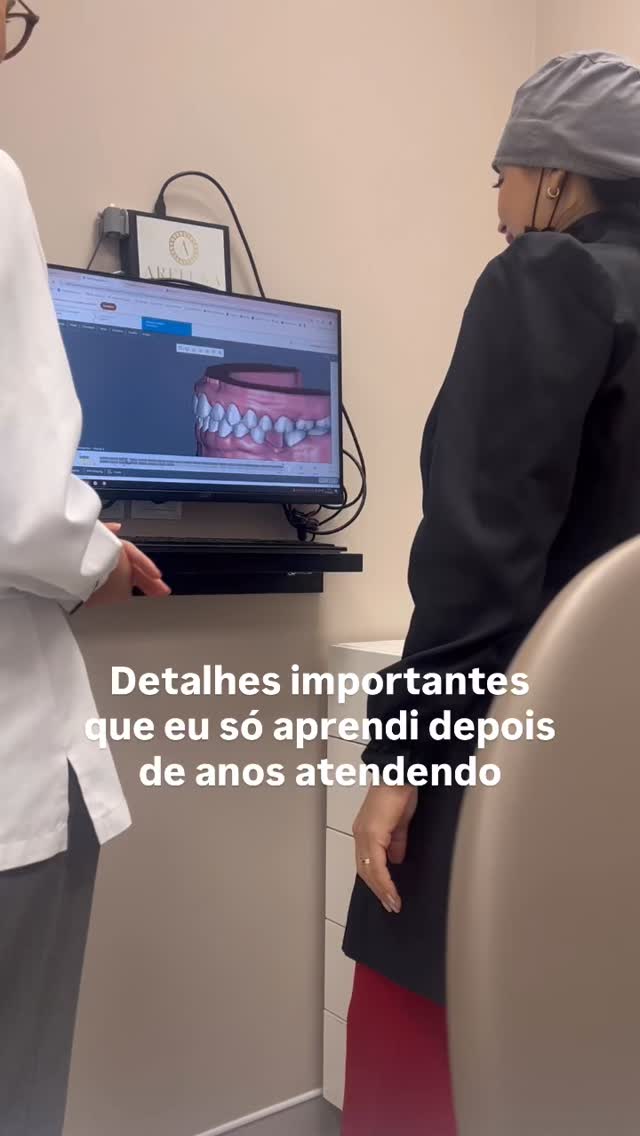
The evolution of techniques such as invisible braces and other discreet approaches has contributed to making this late correction a viable option at different stages of a patient's life. With the advancement of digital orthodontics, treatments have become more predictable, faster, and tailored to the specific needs of each individual.
Why do adults seek orthodontic treatment?
Firstly, there are cases of people who never underwent orthodontic treatment during adolescence and now identify problems affecting oral health or quality of life. Others seek to correct changes that have arisen over time, such as late dental crowding or occlusal alterations.
Aesthetics remain a significant factor: aligning the teeth contributes to a more polished and confident appearance, impacting self-esteem and interpersonal relationships.
However, often this aesthetic motivation is associated with functional discomfort, such as difficulties in chewing, muscle overload, or abnormal tooth wear.
Additionally, adult orthodontics is often recommended in the context of broader treatments. The need for dental implants, prosthetic rehabilitations, or controlling periodontal diseases may require prior dental repositioning. In these cases, the orthodontist works in conjunction with other specialties, such as periodontology or implantology.
It is also worth mentioning that many adults seek treatment not out of urgency, but as a preventive measure.
Aesthetic and discreet options: invisible braces and ceramic brackets
One of the great advances of modern orthodontics is the possibility of performing late dental correction discreetly. Aesthetics, which was once a barrier for many adults, is no longer an obstacle.
-
Among the most sought-after options is invisible braces, also widely known as "clear aligners." This system consists of a series of custom-made transparent plastic molds, which are changed every two or three weeks to gradually move the teeth.
The aligners are removable, facilitating oral hygiene and allowing greater comfort during meals. -
Another aesthetic alternative is ceramic brackets, which function like conventional fixed braces but have the advantage of being tooth-colored, making them less visible. Although not entirely "invisible," they are significantly more discreet than traditional metal braces.
Challenges of adult orthodontics
Adult orthodontic treatment also presents some specific challenges.
-
Firstly, the bone structure is fully developed, which can make certain dental movements slower or require complementary techniques, such as anchorage micro-implants.
-
Additionally, many adults have periodontal diseases, such as gingivitis or periodontitis, which require careful monitoring during orthodontic treatment.
-
Another important aspect is the overall treatment planning: adults may have old dental absences, crowns, bridges, or implants, which requires a personalized and often multidisciplinary approach.
Functional and psychosocial benefits
Despite the challenges, the benefits of adult orthodontics are remarkable.
-
Functionally, correcting the occlusion improves chewing efficiency, reduces the risk of tooth wear, and prevents temporomandibular joint problems.
It also facilitates oral hygiene, reducing the risk of cavities and gum diseases. -
From an aesthetic and emotional standpoint, the impact is profound. An aligned smile can transform how a person sees themselves and interacts with others. Many adults report significant improvements in self-esteem, professional life, and social relationships after orthodontic treatment.
In conclusion, adult orthodontics has ceased to be an exception and has become an accessible and effective reality. With advanced technologies like invisible braces and ceramic brackets, it is possible to reconcile aesthetics, comfort, and lasting results.
Although there are specific challenges, such as controlling periodontal diseases or the presence of previous rehabilitations, the benefits of adult orthodontic treatment far outweigh the obstacles.
If you are considering correcting your teeth in adulthood, know that it is never too late to invest in your smile—and your health.