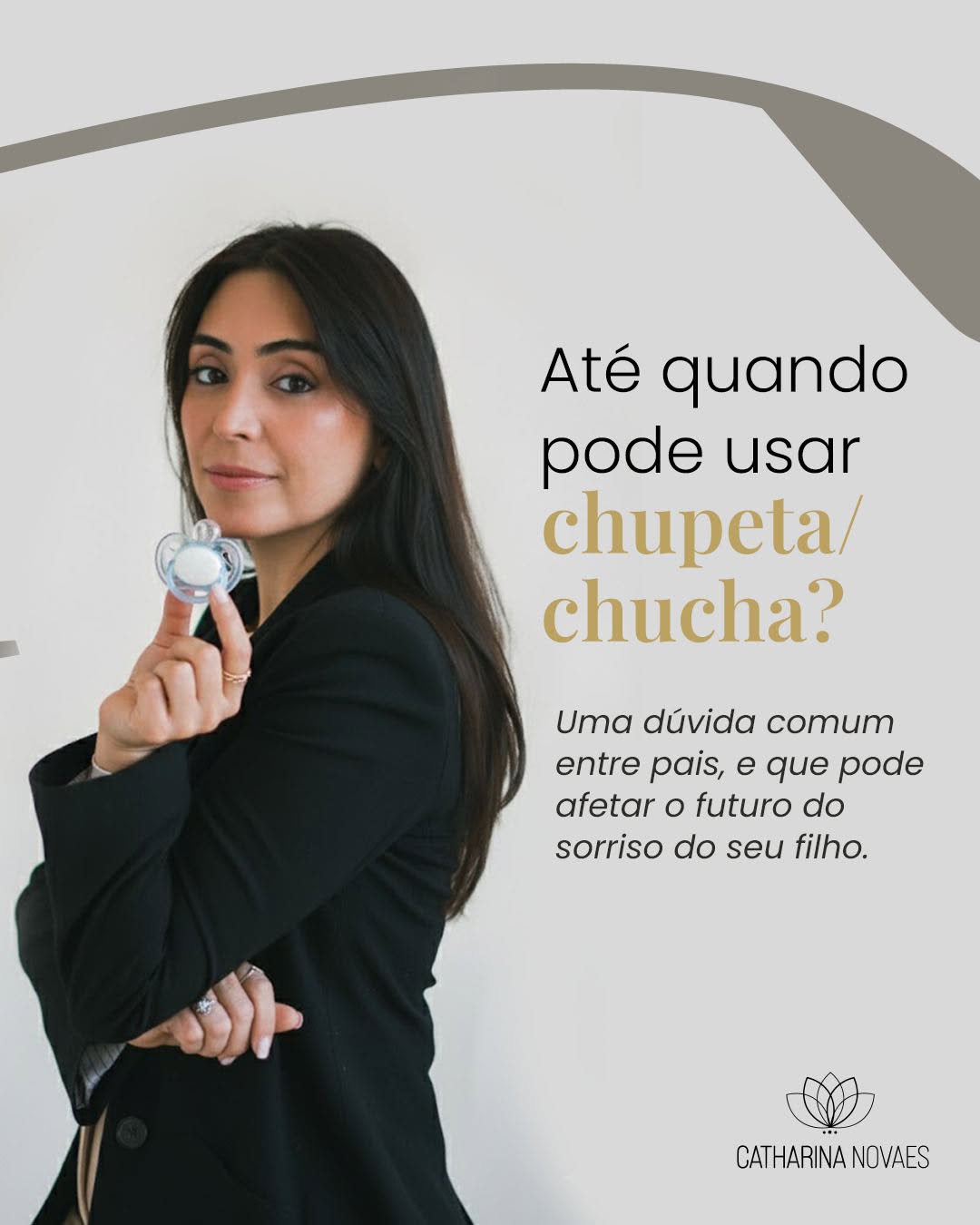
Pacifier Use Until Age 2: The Safest Recommendation
Using a pacifier until age 2 is the safest recommendation to soothe without harming mouth development. While it helps a lot in difficult moments, prolonged use increases the risk of changes in the dental arch, as well as possible impacts on speech and breathing. With early observation and a gentle plan, the transition is usually smooth for the whole family.
What Science Says About Prolonged Use
Research shows that non-nutritive sucking habits, like pacifiers, can alter the position of teeth and the growth of dental arches. The duration, intensity, and frequency of the habit are the most important factors. Therefore, planning to wean by age 2 reduces risks and often avoids future treatments.
Dental Arch: What Can Change
- Anterior open bite: the front teeth do not touch when closing the mouth.
- Posterior crossbite: the upper arch may become narrower than the lower one.
- Increased overjet: the upper teeth may project forward.
These changes vary according to the time of use and the force applied. By reducing the habit early, many cases improve spontaneously.
Speech and Breathing: Possible Impacts
Prolonged use can make certain sounds difficult and promote a mouth-breathing pattern in some children. It doesn't always happen, but the risk increases with the continuation of the habit. After weaning, speech and respiratory function tend to improve, especially with proper guidance.
Weaning Timeline: From the First Year to Age 2
- 0–6 months: the pacifier can help calm and induce sleep. Use safely and with hygiene.
- 6–12 months: start restricting during the day; prioritize only for sleep and travel.
- 12–24 months: progress with gradual weaning. Combine pacifier-free times and reduce "windows of use."
- Over 24 months: the risk of changes increases. Professional evaluation guides the best approach.
Warning Signs That Deserve Attention
- Front teeth not touching when closing the mouth.
- "Crooked" bite when chewing or teeth grinding.
- Frequent snoring, restless sleep, or repeated awakenings.
- Persistent speech distortions and drooling beyond expected.
"Orthodontic" Pacifier vs. Duration of Use
The shape may better distribute pressure, but it does not eliminate the effects of prolonged use. In practice, the duration and intensity of the habit define the risk. Therefore, even with an "orthodontic" pacifier, the plan remains the same: wean by age 2.
Associated Factors That Go Unnoticed
- Recurrent ear infections and fragmented sleep may accompany prolonged use in some children.
- Transitions like teething, starting daycare, or the arrival of a sibling often increase the demand for the pacifier. Anticipating these phases helps prevent relapses.
Gentle Weaning Strategies That Work
The goal is to reduce use gradually and respectfully. Small victories, day by day, make a difference.
From "Only for Sleep" to "Goodbye, Pacifier"
- Restrict to predictable contexts (only sleep). Then, remove during naps and keep only at night.
- Reduce windows of use (e.g., only after the sleep routine).
- Use symbolic exchanges between 18–24 months (pacifier fairy or "give" to a character).
- Positive reinforcement: celebrate progress and offer simple choices.
Comfort Alternatives
- Security blanket or stuffed animal only for sleep.
- Calm breathing with a hand on the belly for a few seconds.
- Short reading before sleep and calm music.
If there are relapses due to illness or changes in routine, resume the plan with patience. Consistency and predictability help a lot.
"Ready to Wean?" Checklist
- Is use already restricted to sleep?
- Does the child accept other forms of comfort?
- Can they go through part of the routine without a pacifier?
- Is there a simple plan to handle crying and requests?
What If It's Not Possible by Age 2? What to Do
The plan doesn't always progress at the ideal time, and that's okay. Reevaluate stress triggers, reduce usage time, and schedule a consultation. In many cases, a small adjustment in routine solves the issue.
When to Seek Professional Help
Seek pediatric dentistry if you notice signs of malocclusion, snoring, speech distortions, or difficulty weaning. In certain scenarios, speech therapy and otolaryngology can also support. For reliable references, see the guidelines from the AAPD and the AAP. If you are in Portugal, we can guide the complete plan and closely monitor it.
Frequently Asked Questions from Parents and Caregivers
- What if the baby only falls asleep with a pacifier? Reduce daytime use, adjust the sleep routine, and introduce a comfort object. Gradually remove it during naps and finally at night.
- Does an "orthodontic" pacifier solve the problem? It helps a little, but it doesn't replace weaning by age 2.
- Should it be removed all at once or gradually? In most cases, gradual weaning is smoother and more sustainable.
- Does use only during sleep also pose a risk? Yes, especially after age 2. Time and intensity of sucking have a cumulative effect.
- Does speech improve on its own after weaning? It often does. If doubts persist, a speech therapy evaluation is recommended.
- What if they ask for it again after illness? Reinforce comfort alternatives and resume the plan as soon as the child improves.
Personalized Evaluation in Porto: How We Can Help
We offer attentive listening, occlusion examination, habit analysis, and a gentle weaning plan, with close follow-up. If you want practical and guilt-free guidance, you can schedule a personalized evaluation in Porto. Each child has their own pace; our goal is to intervene early and avoid more complex treatments in the future.