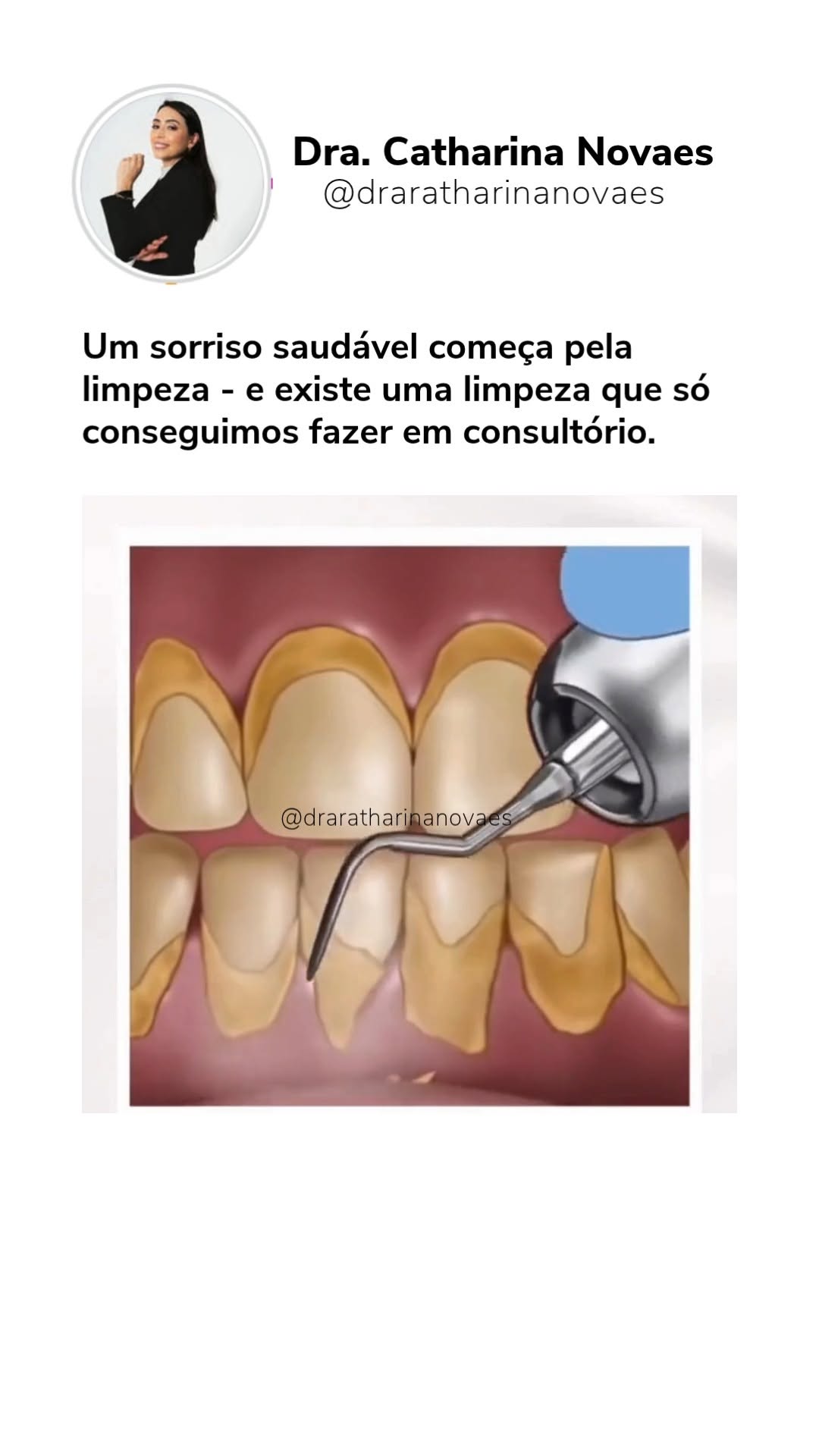
Professional dental cleaning is not a luxury; it's prevention. Brushing and flossing daily is essential, but it doesn't always solve everything. There are hidden areas, and tartar can only be removed at the dentist's office.
Why the Brush Doesn't Reach Everything
The brush reaches about 60% of the tooth surface. Therefore, cleaning between the teeth with floss or interdental brushes is indispensable. Additionally, there are difficult spots, such as behind the last molar, grooves, crowns, and braces, where plaque hides.
To review technique and routine, it's worth checking out the NHS guide on teeth cleaning. It emphasizes that daily mechanical cleaning and regular dentist visits go hand in hand.
Plaque, Tartar, and Gums: What Happens Between Cleanings
Plaque is a biofilm that forms every day. In just a few days, it can mineralize and turn into tartar. Once calcified, neither brush nor floss can remove it; only instruments at the dentist's office can clean it safely.
This buildup irritates the gums, causes bad breath, and can lead to the loss of tooth support. That's why prevention comes before pain.
What a Modern Office Prophylaxis Includes
- Ultrasonic scaling to comfortably remove tartar (calculus).
- Airflow/bicarbonate jet for biofilm and external stains.
- Selective polishing where it makes sense, without unnecessary wear.
- Checking hard-to-reach areas and adjusting your home hygiene.
- Evaluation of gums and early signs.
The goal is to restore smooth surfaces, reduce inflammation, and guide you with practical steps for daily life.
How Often to Do It? Frequency by Risk Profile
- 3–4 months: history of periodontitis, smokers, diabetics, use of fixed braces, many crowns/implants, or recurrent buildup.
- 6 months: moderate risk, good hygiene, small difficult areas.
- 9–12 months: low risk, stable gums, and little buildup.
This decision is individual and changes with your habits and overall health. Shall we define the ideal frequency together? Send a direct message, and we can discuss your profile.
Myths and Truths About Dental Floss, Order of Use, and Sensitivity
- Floss before or after brushing? It doesn't matter. Consistency is more important. Some people prefer before to "clear the way" for the brush; others, after. Choose what you can maintain.
- Does applying toothpaste to the floss help? No. It can irritate the gums and doesn't improve plaque removal.
- Is bleeding when flossing normal? No. Bleeding indicates inflamed gums. With gentle technique and regularity, it tends to stop.
- Does professional cleaning wear down enamel? No, when well indicated and executed. It removes plaque and tartar, not enamel.
- Is a soft brush better? Yes. Soft bristles clean well and protect the gums.
Quick Guide to Maintain Results Between Visits
- Brush twice a day for 2 minutes with a soft brush and gentle movements.
- Use dental floss daily. When space allows, include interdental brushes; for braces, threaders or oral irrigators help.
- Clean your tongue and drink water throughout the day; this helps with breath.
- Mouthwash is a complement, not a substitute for floss or brush.
- Have crowns, prostheses, or retainers? Ask for personalized guidance to adapt your routine.
When to Seek Help Before Pain: Early Signs
- Persistent bad breath.
- Bleeding when flossing or brushing.
- Stains between teeth and near the gums.
- New sensitivity to cold.
- Slightly swollen or receding gums.
Noticed any of these signs? Don't wait for it to worsen. Prevention is quicker, more comfortable, and more economical than treating emergencies.
Frequently Asked Questions
<details> <summary>Floss before or after brushing?</summary> Both ways work. Test and stick with the order you can maintain every day. If you want, use floss first to expose plaque and make brushing easier. </details> <details> <summary>Does professional cleaning hurt or wear down enamel?</summary> When done well, it doesn't wear down enamel. Generally, it's comfortable; if there's sensitivity, we adjust the technique and pace. </details> <details> <summary>Is bleeding normal?</summary> It's a sign of inflammation. With guidance and consistency, it usually reduces in a few days. If it persists, evaluate it at the office. </details> <details> <summary>Can I use an interdental brush instead of floss?</summary> Yes, often it's even better. It depends on the space between the teeth and your gums. The recommendation is individual. </details> <details> <summary>Does mouthwash replace floss?</summary> It doesn't replace it. It's a complement to the mechanical cleaning done with floss, brush, and interdentals. </details>How We Define Your Ideal Schedule
Every mouth has its rhythm. In the consultation, I evaluate gums, retention points, habits, and systemic conditions to propose your routine and frequency. Want to make your prevention easier? You can message me directly to clear doubts and schedule an appointment on the website. Let's create a simple and feasible plan for your daily life.