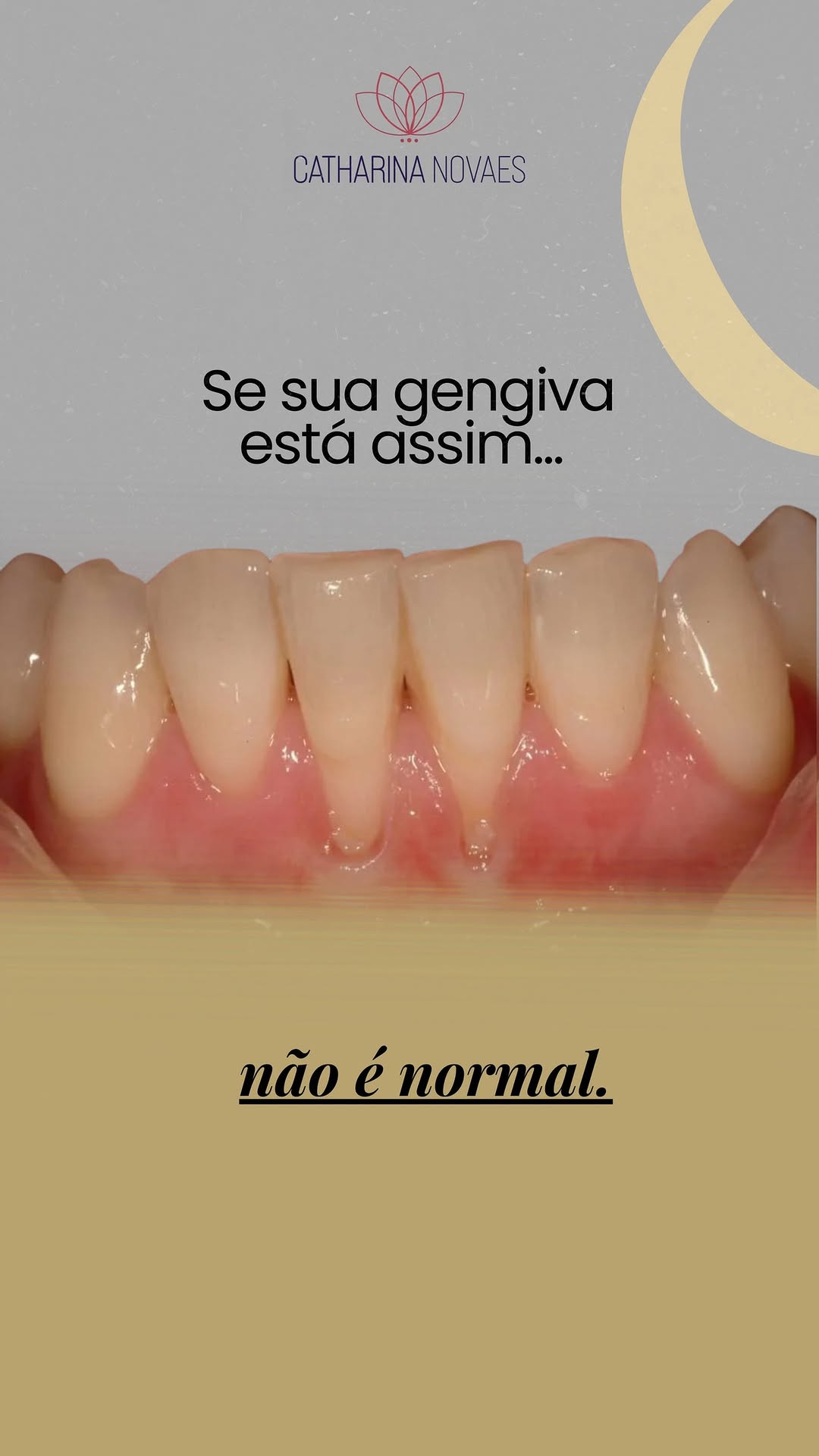
Receding gums are not normal and deserve immediate attention. Although it is a treatable problem, it should not be ignored. Identifying the cause early greatly increases the possibility of simple solutions and even non-surgical options, depending on the case. If you notice a "longer tooth" or sensitivity, seek professional evaluation, especially if you are in Porto or Matosinhos.
How to Identify Gum Recession
Gum recession occurs when the gum margin lowers and exposes part of the tooth root. The sign may be subtle at first but progresses over time. Observing in the mirror with good lighting helps to notice asymmetry in the gum line or elongated spaces between teeth.
"Longer Tooth" and Sensitivity: Warning Signs
Seeing a "longer tooth" is not just an aesthetic issue; it's a warning. Additionally, cold, sweet, and touch can cause discomfort due to root exposure. Bleeding during brushing and recurring bad breath also require evaluation.
Difference Between Recession and Cervical Wear (Non-Carious Cervical Lesions)
Recession is when the gum recedes. Cervical wear is the loss of enamel/dentin near the gum due to abrasion, erosion, or abfraction. Often, both coexist. Therefore, correct diagnosis is essential to define the treatment.
Common Causes of Gum Recession
Various situations can lead to recession, and often more than one factor is involved. Below are common causes and what helps prevent them.
Aggressive Brushing and Correct Techniques (Pressure, Soft Brush)
Brushing "hard" does not clean better. On the contrary, it removes tissue and wears down teeth. Prefer a soft brush, light pressure, and short, angled movements towards the gum. If possible, use an electric brush with a pressure sensor and fluoride toothpaste in a "rice grain" amount.
- Hold the handle securely with only three fingers to reduce force.
- Avoid toothpicks or rigid objects on the gums.
- Ask your dentist for a demonstration of the technique most suitable for you.
Bruxism and Overload (Clenching During Sleep)
The pressure of clenching or grinding can overload the periodontium. Thus, enamel cracks, abfractions, and recession occur. In many cases, a night guard helps protect the teeth while controlling stress and adjusting occlusion when indicated.
Untreated Periodontal Inflammation
Gingivitis and periodontitis weaken the tooth's support. With chronic inflammation, the gum may recede. Periodontal treatment and plaque control at home are crucial to halt progression.
Orthodontic Movement Outside the Bone and Poorly Adapted Retainers
Poorly planned forces can lead to roots outside the bone envelope, favoring recession. Poorly adapted bonded retainers also irritate the gums. Orthodontic planning within biological limits and retainer reviews reduce the risk.
Other Factors: Thin Gum Biotype, High Frenum, Oral Piercings, Smoking
Naturally thin gums are more susceptible. Frenums inserted near the margin can pull the tissue. Piercings traumatize the gums, and tobacco worsens healing. Identifying and adjusting these factors protects the tissue.
What to Expect at the Consultation
The first step is understanding the cause of your recession. From there, the plan becomes clear and personalized.
Periodontal Evaluation, Clinical Measurements, Photographs/Intraoral Scan
The dentist measures sulcus depth, evaluates bleeding, mobility, and gum thickness. Photographs and intraoral scanners document the gum line and help monitor progress.
Individual Plan: From Habit Adjustments to Periodontal Therapies or Gum Plastic Surgery
Depending on the diagnosis, the plan may include brushing guidance, periodontal therapy, occlusal adjustment, night guard, cervical polishing, desensitization, and, when necessary, periodontal plastic surgery for coverage.
Can Surgery Be Avoided?
Many situations improve with conservative measures, especially when treated early. Still, there are cases where surgery is the most predictable solution for comfort and aesthetics.
When Conservative Measures Are Enough
- Gentle brushing, soft brush, and guided technique.
- Bruxism control with a guard and stress management.
- Periodontal therapy to control inflammation.
- Desensitizers and sealants on exposed areas.
With the cause under control, recession can stabilize, and sensitivity can greatly reduce.
When Periodontal Plastic Surgery Is Indicated (Overview, No Promises)
If there is a loss of keratinized tissue, compromised aesthetics, or persistent sensitivity, root coverage with a graft may be recommended. The decision depends on tissue thickness, papilla height, root position, and habits. There are no one-size-fits-all solutions.
Prevention and Maintenance
Prevention is simpler than treatment. Small daily adjustments make a big difference over time.
Brushing Technique, Appropriate Force, and Brush Choice
- Use a soft brush and light pressure; if possible, an electric one with a sensor.
- Short movements, angled at 45° towards the gum.
- Two minutes, twice a day, with fluoride toothpaste.
Plaque Control, Floss/Interdental, Maintenance Visits
- Use floss or interdental brushes daily.
- Maintain professional cleanings as your dentist recommends.
- Do not ignore persistent bleeding; schedule a consultation.
Bruxism Management (Night Guard When Indicated)
If you clench your teeth, seek evaluation. A custom guard and behavioral measures can protect teeth and gums. Additionally, checking medication, posture, and sleep routine helps.
Myths and Truths
- "It's age-related": myth. Age may correlate with prevalence, but it is not the cause. There is always a reason to investigate.
- "If it doesn't hurt, it's not serious": myth. Initial recession may not hurt and still progress.
- "Brushing harder cleans better": myth. Technique and gentleness clean better and preserve tissue.
Aesthetics and Function: Why Treat
Recession affects the smile and increases the risk of root decay and cold sensitivity. Treatment improves comfort, protects structure, and stabilizes gum health.
FAQs
Does Gum Recession Reverse on Its Own? When Is It Reversible?
Without addressing the cause, recession tends to progress. With habit and inflammation control, it can stabilize. Coverage of exposed tissue, when necessary, requires a clinical approach.
Does Brushing Hard Damage the Gums?
Yes. Excessive force and hard bristles increase abrasion and recession. Prefer a soft brush, light pressure, and guided technique.
Does Recession Hurt? Why Do I Feel More Cold/Hot?
It doesn't always hurt, but the exposed root is more sensitive to cold, sweet, and touch. Desensitizing products and sealants help, but addressing the cause is essential.
Can Braces Cause Recession? What to Do If You Notice It During Treatment?
Movements outside the bone envelope and difficult hygiene increase risk. Inform your orthodontist; adjustments in the plan and hygiene reinforcement reduce problems.
When Is Gum Plastic Surgery Recommended?
When aesthetics, sensitivity, or lack of keratinized tissue persist after controlling the cause. The indication is individual and discussed during evaluation.
Sources and Additional Reading
See an accessible explanation from the American Academy of Periodontology on gum recession: what it is, causes, and treatment.
Next Steps and Call to Action
Informative content; individual evaluation is essential. The sooner you identify the cause, the higher the likelihood of avoiding surgery. Are you in Porto or Matosinhos? Take a few minutes of your day to care for your gums: schedule your evaluation in Porto/Matosinhos.