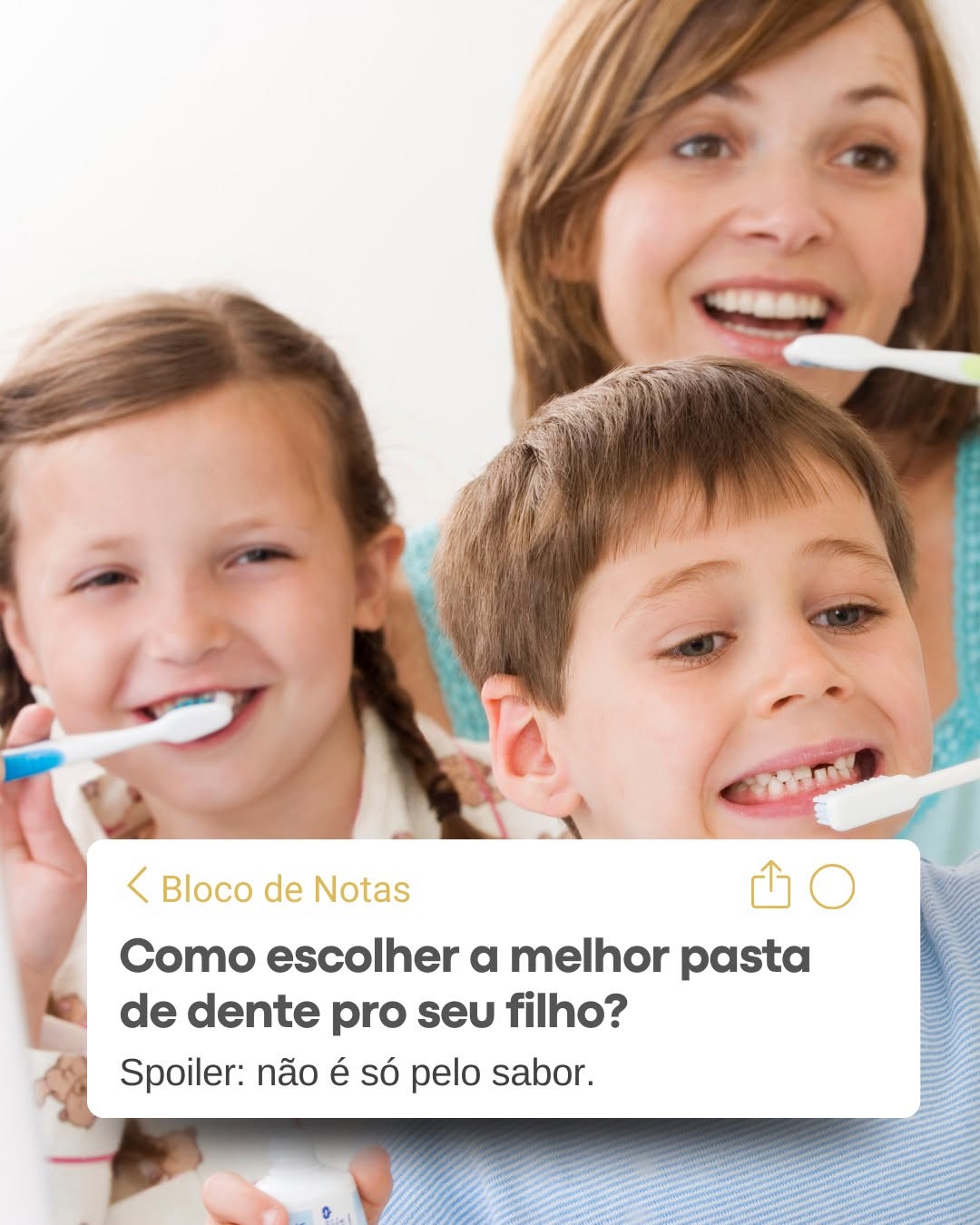
Safe kids toothpaste choice can feel like a tiny detail, yet in real parenting life it often becomes a big decision about protection and safety.
In my clinic, I meet many caring parents who are doing their best—however, they feel unsure because the guidance online is confusing, too technical, or simply scary. So, let’s remove the guilt and replace it with clear steps you can actually use.
This is not only about “which toothpaste to buy.” It is about building a simple, safe, and steady oral care habit from the first tooth—without turning brushing into a daily battle.
Why toothpaste feels like a “big decision”
Parents often tell me they worry about the same things:
- “What if my child swallows it?”
- “Is fluoride safe or not?”
- “Is ‘kids toothpaste’ real, or just marketing?”
- “Am I starting too early… or too late?”
That pressure makes sense. You are trying to protect your child, and the internet rarely gives a calm, practical answer.
What matters most (it’s not just the brand)
Toothpaste helps, but the daily routine is what protects teeth over time. Focus on what you can control:
- Consistency beats perfection. A quick brush every day is more helpful than an “ideal” routine that never happens.
- Adult supervision is key. Most children need help for years, even if they want to “do it alone.”
- Use the right amount. This lowers the chance of swallowing too much and keeps things simple.
- Make it predictable. A short routine at the same times each day reduces resistance.
- Check in with a dentist. Personalized advice can save you months of doubt.
Starting from the first tooth (yes, really)
As soon as the first tooth appears, you can start a gentle brushing routine. At first, it is less about perfect technique and more about building familiarity.
Try these ideas:
- Keep it short (about 1 minute is fine in the beginning).
- Use a soft, small brush.
- Brush at a regular time (after breakfast and before bed works well for many families).
- Stay calm, because your child learns from your tone.
Over time, this becomes a normal part of the day—like pajamas or story time.
Safe kids toothpaste choice: a label checklist
You do not need a “perfect” product. You need a safe option that fits your child’s age and your family routine.
When you look at the label, consider:
- Fluoride: Many professional guidelines support fluoride toothpaste for cavity prevention when used in the right amount. If you feel unsure, ask your child’s dentist for a recommendation based on risk and age.
- Age guidance: Use it as a starting point, not as the only rule.
- Flavor: A mild flavor can help acceptance. Very sweet flavors may encourage swallowing, so pay attention to your child’s habits.
- Marketing claims: Phrases like “chemical-free” or “100% natural” can be vague. Instead, focus on clear ingredient information and professional guidance.
If you are stuck between two options, choose the one your child will tolerate consistently—then use the correct amount and supervise.
How much toothpaste to use (and how to reduce swallowing)
Swallowing a little toothpaste can happen, especially in toddlers. The goal is to reduce it without creating fear.
Practical tips:
- You place the toothpaste on the brush (not your child).
- Use only a tiny smear for very young children, then increase gradually as recommended by your dental professional.
- Encourage spitting when your child is ready, but avoid turning it into pressure.
- Keep toothpaste out of reach to prevent “snacking.”
If your child regularly eats toothpaste or insists on using large amounts, it is worth discussing it at the next dental visit.
Ages and stages: what changes over time
Every child develops differently, but these patterns are common.
- 0–2 years: Parents do almost all the brushing. Keep it gentle and quick.
- 3–6 years: Kids want independence, so let them try first—then you finish.
- 7+ years: Many children can brush better, yet supervision still helps with missed spots, especially at night.
Meanwhile, the best routine is the one your family can repeat daily.
Brushing without battles: simple behavior tools
If brushing turns into conflict, you are not alone. Luckily, small changes can help fast.
- Offer choices: “Do you want to brush before or after pajamas?”
- Brush together: Kids copy what they see.
- Use a timer or a song: It creates a clear ending.
- Praise effort, not perfection: “You stayed still—thank you.”
- Reset after a hard night: One tough evening does not mean failure.
When to seek professional guidance
Consider getting support if you notice any of the following:
- White or brown spots on teeth
- Tooth pain or sensitivity
- Bleeding gums that keep happening
- Strong resistance to brushing for weeks
- Night bottle use, frequent snacks, or a family history of cavities
A dental visit should feel like education and teamwork, not judgment.
For additional public guidance on children’s oral health, you can also read the CDC’s overview: Children’s Oral Health.
Next steps (calm, clear, and doable)
Start with one small improvement today: pick a consistent time, use the right amount, and brush together.
If you want help making a plan that fits your child’s age and habits, you can talk with me on WhatsApp: https://wa.me/+351926533304.
If you would like to explore more family-friendly dental education, you can also visit: catharinanovaes.pt.