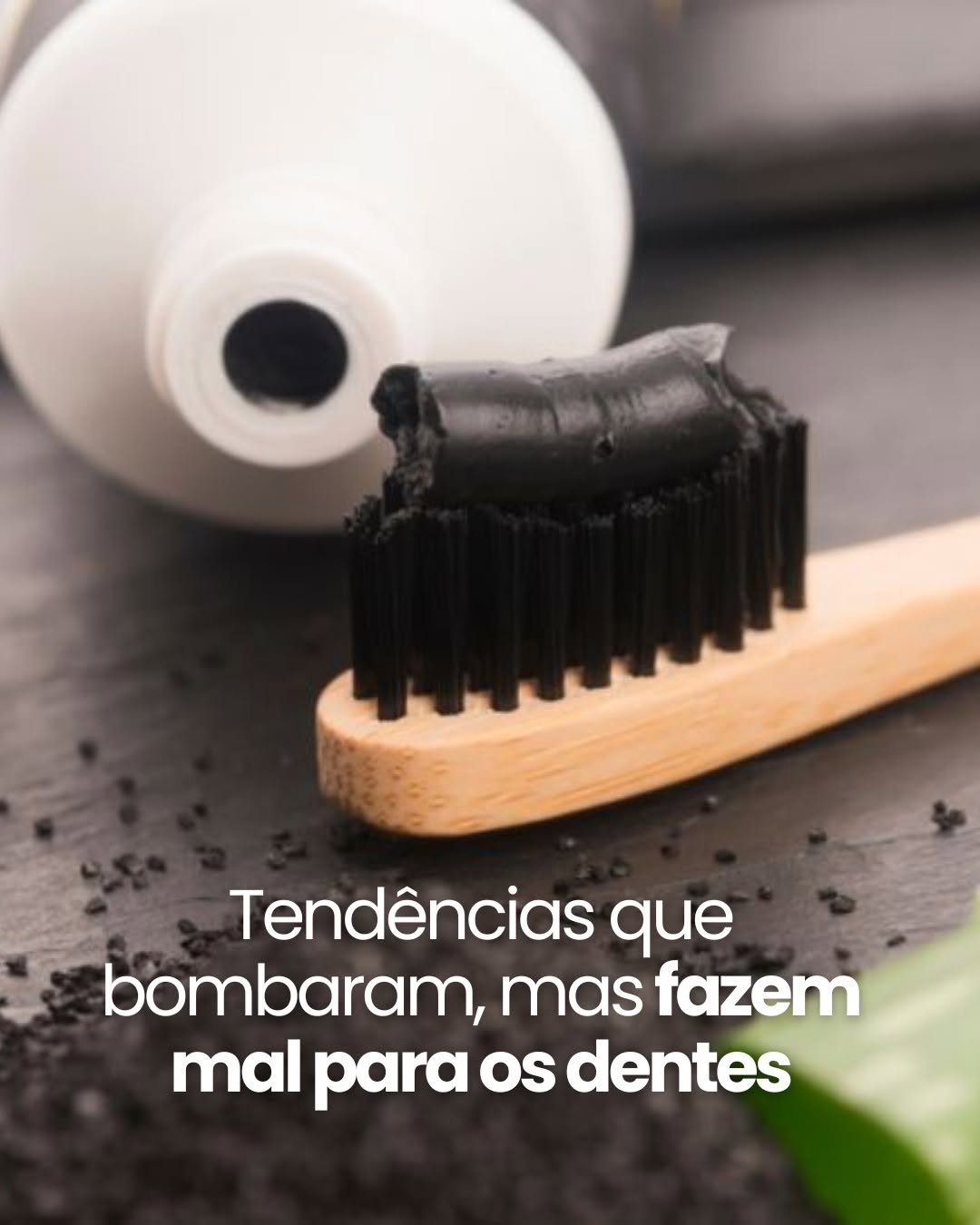
Viral smile trends safety starts with one simple idea: if a “quick hack” touches your teeth or gums, it can also change them in ways you can’t undo.
Social media is full of before-and-after smiles, “natural” tricks, and DIY ideas that look harmless. However, your mouth is not a filter. Teeth and gums react to pressure, acids, abrasion, and repeated habits—sometimes quietly at first, and then painfully later.
Why smile trends go viral (and why that can be risky)
Fast results sell. A short video can make a risky step look easy, cheap, and universal.
At the same time, dental health is personal. What is safe for one person may be harmful for another because of enamel thickness, existing fillings, gum health, bite forces, or sensitivity history.
Also, trends often skip the boring parts that keep you safe: diagnosis, clean technique, correct products, and follow-up.
What’s really at stake: enamel doesn’t grow back
Enamel is the hard outer layer that protects your teeth. Once it is worn down, it does not regenerate.
That matters because small daily damage can add up. Over time, you may notice:
- New sensitivity to cold, sweet, or air
- More staining or a rougher surface
- Higher risk of cavities
- Cracks or chips that require restorations
So even if a DIY trend “works” visually, it may be costing you structure you can’t replace.
DIY dental hacks: why “simple” can still be aggressive
Many viral tips harm teeth and gums through one (or more) of these paths:
- Abrasions (scrubbing/wearing): rough powders, hard brushing, or tools that scratch enamel
- Acid erosion: acidic mixtures that soften enamel and make it easier to wear away
- Gum trauma: pressure, rubbing, or irritation that can lead to inflammation and recession
- pH imbalance: frequent exposure to acids that keeps the mouth in a risky zone
Even when a product is labeled “natural,” it can still be harsh. In other words, “homemade” is not the same as “safe.”
A common-sense checklist before you copy a trend
Before you try any tip that promises a whiter, straighter, or “perfect” smile, pause and ask:
- Who is recommending it? Is it a licensed dental professional, or just a creator chasing views?
- Does it respect enamel? Anything that scratches, files, or “polishes” teeth at home is a red flag.
- Are risks mentioned clearly? A trustworthy source talks about side effects and limits.
- Does it sound too instant or universal? “Works for everyone in 5 minutes” usually means “not personalized.”
- Does it include contraindications? Sensitivity, gum disease, braces/aligners, fillings, pregnancy, and age can change what is safe.
- Does it push you to do it alone? If there is no guidance or follow-up, you carry all the risk.
If you can’t answer these questions with confidence, it’s better to stop and ask first.
Warning signs after a “hack” (don’t ignore these)
Sometimes damage shows up later. Watch for:
- Sensitivity you didn’t have before
- Pain when biting or chewing
- Gum soreness, swelling, or bleeding
- Teeth that feel thinner, rough, or “chalky”
- New stains, white spots, or uneven color
If any of these appear, get a professional evaluation as soon as possible. Early help can prevent bigger problems.
What long-lasting smile aesthetics really looks like
A beautiful smile is built on health, not improvisation. Lasting aesthetic care usually includes:
- A proper exam (teeth, gums, bite, and habits)
- A plan that protects enamel and avoids unnecessary wear
- Safe whitening when indicated, with the right product and timing
- Conservative improvements that keep as much natural tooth as possible
A dentist’s role is not to “ban trends.” Instead, the goal is to adapt your aesthetic goals into a safer path that fits your mouth.
If you want to learn more about a conservative approach, you can also explore resources on the clinic site, such as Dental Aesthetics.
Myth vs. reality (quick FAQ)
“If it’s cheap, I can test it.”
Cheap today can become expensive later if it leads to sensitivity, gum recession, or restorations.
“If it didn’t hurt, it didn’t harm.”
Some damage is slow. Enamel wear and gum recession may show up weeks or months later.
“Natural means gentle.”
Many natural substances are acidic or abrasive. Your teeth don’t care if it came from a kitchen.
“If it whitens, it must be safe.”
Whiter does not always mean healthier. Some methods whiten by removing surface layers.
Next steps (send the trend before it hurts)
Saw something strange online about teeth, gums, or whitening? Send a screenshot or link on WhatsApp and ask before you try it: https://wa.me/+351926533304
A quick check can protect your enamel, prevent sensitivity, and help you choose a safer option that still gets you the smile you want.