Preventive dental care frequency is the single factor that separates a calm, routine check-up from a stressful, costly dental emergency — and understanding this can genuinely change how you think about your oral health.
Picture two scenarios. In the first, you visit your dentist every six months: a professional cleaning, a quick exam, and you are done in under an hour. In the second, you wait until something hurts — and suddenly you need a root canal, multiple appointments, and weeks of recovery. Both situations can start with the same tooth. According to maintenance studies, emergency interventions can cost up to 5.75 times more than the same procedure done preventively. In dentistry, the gap is just as real.
The Only Real Difference Is Frequency
There is no magic trick to a healthy smile. The science is straightforward: problems in your mouth grow slowly over time. A tiny soft spot becomes a cavity. Mild gum inflammation becomes periodontal disease. Surface tartar becomes deep calculus below the gum line.
Regular dental visits interrupt this process early. Treatment stays simple, fast, and affordable. However, when you skip those appointments, the same small problems grow into complex ones — requiring longer procedures, higher costs, and more discomfort. Frequency is not glamorous, but it is the most powerful tool you have for protecting your teeth long-term.
The Invisible Cost of Waiting
Most people skip dental appointments because they feel no pain. This logic seems reasonable — but pain is actually a late-stage warning, not an early one. By the time a tooth hurts, the underlying problem is often already significant.
Consider tartar: no matter how carefully you brush, it forms naturally on everyone's teeth. Only a professional can remove it safely. Skip a few appointments, and that tartar hardens, migrates below the gum line, and starts damaging bone and tissue. As this guide on tartar and professional cleaning explains, brushing alone — even when done perfectly — cannot prevent this buildup from happening.
The cost of ignoring it compounds over time, just like financial debt. What starts as a minor issue quietly grows in the background until a crisis makes it impossible to avoid. Then the investment required is dramatically higher than what regular maintenance would have cost.
Why We Postpone (Even When We Know Better)
There is a well-known human tendency to act on urgent things and delay important ones. Dental appointments, when nothing hurts, feel like they can wait. So we reschedule once. Then again. Then we stop thinking about it entirely.
This is not laziness — it is a very human pattern. However, the consequence is predictable: reactive care ends up being far more expensive, time-consuming, and uncomfortable than proactive care would have been. A consistent oral hygiene routine is the practical counter to this cycle — it keeps your baseline strong so that each clinic visit stays easy.
What Preventive Dental Care Actually Looks Like
Building a preventive routine has two components: your daily habits at home and your regular visits to the dentist.
At home, every day:
- Brush at least twice, using fluoride toothpaste
- Floss once — this reaches areas your brush simply cannot
- Use mouthwash if your dentist recommends it
At the clinic, every 6 months (or as advised):
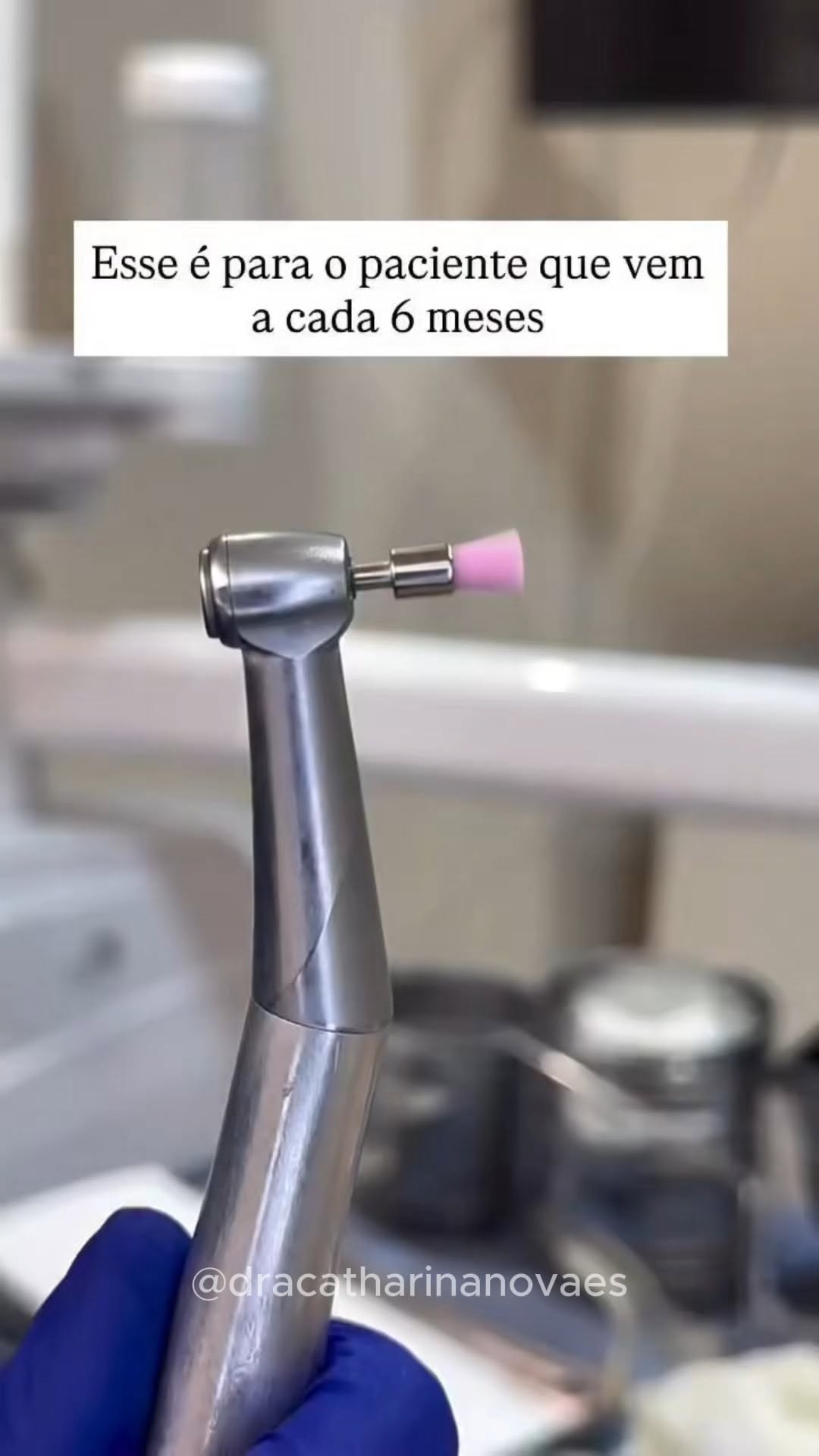
- Professional cleaning to remove tartar and stains
- Full examination of teeth, gums, and oral tissues
- Bite and jaw check
- X-rays as needed to detect hidden issues
This combination is highly effective. Well-structured preventive programs have been shown to reduce unplanned dental interventions by up to 50%.
Small Daily Habits That Compound Over Time
Flossing daily is one of those habits that feels small but builds enormous protection over time. Two minutes a day, consistently, cleans the spaces between teeth where cavities and gum disease most often start. That regularity — not intensity — is what makes the difference.
The same principle applies to orthodontic treatment. Whether you use braces or clear aligners, missing follow-up appointments means missing the chance to make small corrections that keep everything on track. Catching issues early in orthodontic treatment works exactly the same way as in general dentistry: the sooner a problem is addressed, the simpler the fix.
If It Has Been a While, That Is Okay
Many people go through periods of avoiding the dentist — often because of anxiety, busy schedules, or simply losing the habit. Coming back after a long gap can feel daunting. But the first appointment is always the hardest one.
After catching up, each subsequent visit stays straightforward and quick. The goal is not perfection — it is consistency. And if anxiety has been part of what kept you away, know that you are not alone and you deserve care without judgment.
Your Next Step
The most expensive dental appointment is often the one you skipped. Preventive care is not a luxury — it is the most efficient use of your time and money when it comes to your oral health.
If you are ready to get back on track, or simply want to book your next routine check-up, reach out directly. One message is all it takes.
Chat with us on WhatsApp: +351 926 533 304
Frequently asked questions
How often should I go to the dentist to avoid problems?
A common preventive routine is a check-up and professional cleaning every six months, or as advised by your dentist. Regular visits interrupt problems early, when treatment stays simple, fast and affordable. Skipping appointments lets small issues grow into complex ones that need longer procedures, higher costs and more discomfort.
Does waiting until a tooth hurts really cost more?
Yes. Pain is a late-stage warning, not an early one, so by the time a tooth hurts the underlying problem is often already significant. Emergency interventions can cost up to 5.75 times more than the same procedure done preventively. The cost of ignoring issues compounds over time, much like financial debt.
Why can't brushing alone remove tartar?
Tartar forms naturally on everyone's teeth no matter how carefully you brush, and only a professional can remove it safely. If you skip appointments, tartar hardens, migrates below the gum line and starts damaging bone and tissue. That is why professional cleaning is a key part of preventive care.
What does a good preventive dental routine include?
It has two parts. At home daily: brushing at least twice with fluoride toothpaste, flossing once, and mouthwash if recommended. At the clinic every six months or as advised: professional cleaning, a full exam of teeth, gums and tissues, a bite check, and X-rays as needed. Well-structured preventive programs can reduce unplanned interventions by up to 50%.