Orthodontics
Metal and aesthetic fixed braces for all ages
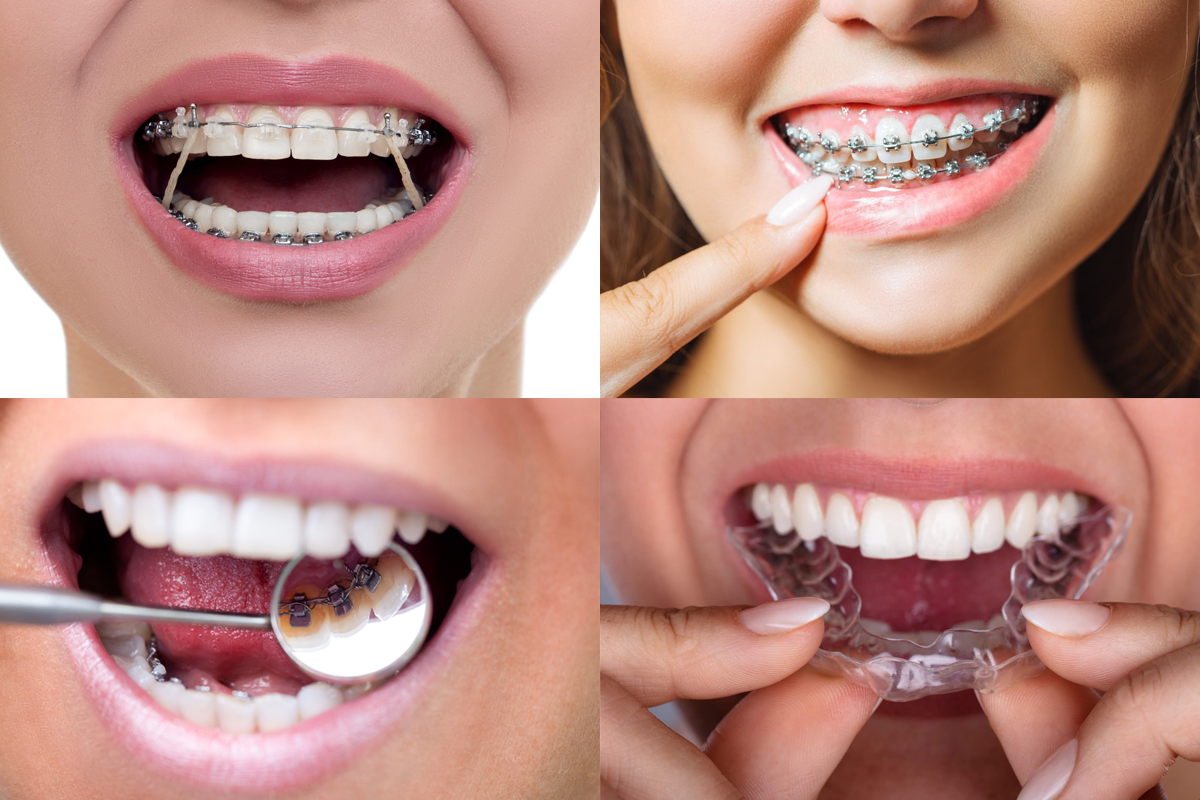
Types of braces
Metal and aesthetic
Ages
Children and adults
Follow-up
Regular adjustment appointments
Orthodontics corrects the position of the teeth and the bite, improving function, aesthetics and oral health. With digital diagnosis, every treatment is planned in detail.
Frequently asked questions about orthodontics
What is the best age for an orthodontic assessment?
A first assessment is recommended in childhood, around 6 to 9 years old, when growth problems can be intercepted. But there is no age limit: teenagers and adults can start treatment at any stage of life.
Fixed braces or clear aligners: which should I choose?
It depends on the case. Both options move teeth effectively; the choice considers the complexity of the correction, your routine and your preferences. An assessment with digital diagnosis helps define the most suitable option.
Do braces hurt?
It is common to feel pressure or mild discomfort in the first days and after adjustments, while the teeth are moving. This discomfort is temporary and tends to fade quickly.
Can adults wear braces?
Yes. More and more adults undergo orthodontic treatment, for aesthetic, functional or periodontal health reasons. Discreet options exist, such as aesthetic braces and clear aligners.
Will I need retainers after treatment?
Yes. After the active phase, retention with retainers is essential to maintain the results and prevent orthodontic relapse — the gradual return of the teeth to their previous position.