Complex orthodontic cases in Porto are where something clicks — that quiet, almost automatic moment when a challenging bite or a severely misaligned smile stops looking like a problem and starts feeling like familiar territory. Not every professional gets that feeling in every situation, and I'm certainly no exception. But in orthodontics, especially with the layered, tricky cases others sometimes hesitate over, that's exactly where I feel most at home.
Admitting You're Not Good at Everything Is a Strength
There's a version of professional communication that tries to appear perfect at everything — credentials, confident claims, polished across every service. In contrast, saying "there are plenty of things I don't excel at, but this one area? I see it completely differently" builds something far more valuable: genuine trust. Research in personal branding consistently shows that professionals who define their zone of excellence with honesty attract better-matched clients than those who advertise universal competence.
When a dentist or orthodontist says "I specialise in complex cases," they're not shrinking their offering — they're refining it. That refinement works in everyone's favour. Patients find the right professional; the professional finds the right patients.
What Happens When a Specialist Encounters Their Case
Psychologists call it flow — a concept developed by Mihaly Csikszentmihalyi to describe the state of deep, almost effortless engagement that experts reach when they encounter the very type of challenge they've spent years mastering. It's not raw talent alone. Rather, it's pattern recognition built through thousands of hours of careful observation, diagnosis, and treatment.
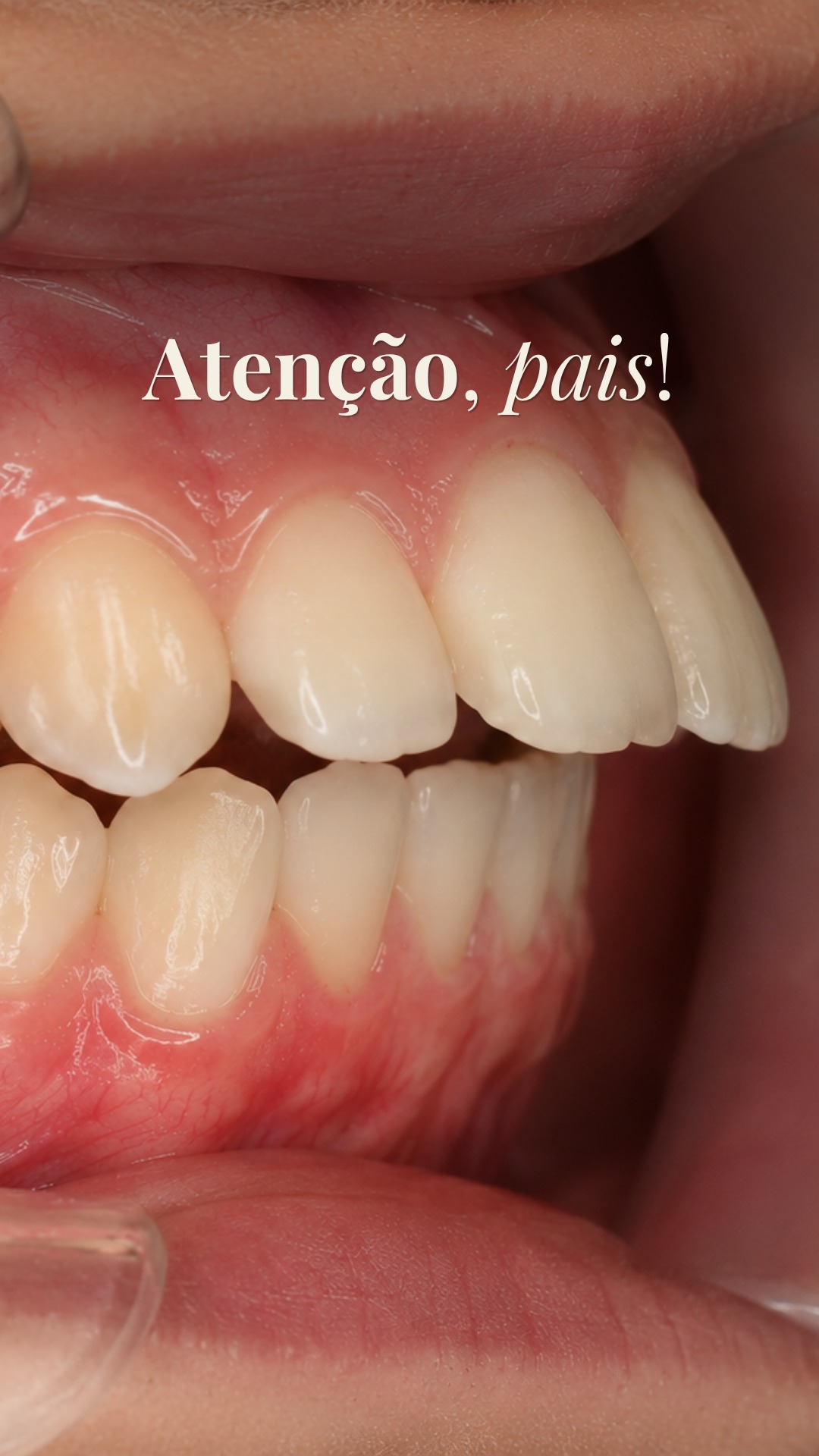
For an orthodontist who has focused on difficult cases, seeing an open bite, a skeletal asymmetry, or a badly misaligned jaw doesn't trigger anxiety. Instead, it triggers a kind of organised clarity — the treatment path begins to take shape almost before the consultation ends. That is what deep specialisation feels like from the inside, and it's a very different experience from approaching the same case without that foundation.
The Diagnosis Matters More Than the Appliance
Here's something many patients don't realise: the most important moment in a difficult orthodontic case isn't when the braces go on or when the aligner trays are delivered. It's the moment the orthodontist sits down, looks at the full picture, and decides what this case actually needs.
Cephalometric analysis, study models, facial proportions, jaw movement, and bite function all feed into a clinical reasoning process that determines whether treatment will simply straighten teeth or genuinely improve long-term health and function. Interdisciplinary cases — those involving orthodontics alongside implants, veneers, gum surgery, or orthognathic surgery — make this diagnostic step even more critical. The right appliance matters far less than the right plan.
Why Authentic Content Outperforms Polished Advertising
A post that says "I'm the best orthodontist in Porto" tells you very little. However, a post that says "I know I'm not exceptional at everything, but a twisted bite with asymmetry? That makes me feel completely in my element" communicates something far more specific and trustworthy.
Patients who need complex orthodontic work have often already visited other professionals. Some have been told their case is difficult, that results will be limited, or that they should simply manage with what they have. When they encounter a professional who not only acknowledges that complexity but actively leans into it, something shifts. That shift — from resignation to possibility — is exactly what authentic professional communication can create.
Read more about this approach in our post on humanised orthodontic care and why it keeps patients engaged throughout treatment.
The Balance Between Humility and Authority
Being relatable doesn't mean downplaying your expertise. The key is precision: you don't need to be exceptional at everything, but you should be genuinely exceptional at something — and be very clear about what that something is.
This balance is what makes certain professionals memorable. Rather than competing across the board, they carve out a specific, well-defined territory of excellence and communicate it with confidence and a touch of humanity. For an orthodontist in Porto who lights up when a challenging case walks through the door, that territory is the complex case — the one others find daunting and they find energising.
If Your Case Has Already Been Called Complicated
Some patients reading this have heard heavy words: "your case is complicated," "there's not much we can do," or "this would require major intervention." Those words can leave people feeling stuck for a long time. Nevertheless, a case that feels complex to a generalist often feels like exactly the right challenge to a specialist.
The difference isn't only technical — it's the depth of immersion in that specific type of problem over years of practice. Orthodontists who choose to focus on difficult cases develop a level of clinical intuition that simply doesn't emerge without concentrated, deliberate experience. If you're in or near Porto and you've been wondering whether your case can be treated well — not just adequately, but genuinely well — it may be time to have that honest conversation.
Ready to Start That Conversation?
Whether your bite has always felt off, your teeth never quite aligned after a previous treatment, or a professional once told you your situation was too complex, that's precisely the kind of case that feels natural to approach. Reach out via WhatsApp at https://wa.me/+351926533304 and let's begin with an honest look at what's possible — no pressure, no jargon, just clarity.
Frequently asked questions
Why does specializing in complex orthodontic cases build trust?
Saying you specialize in complex cases refines your offering rather than shrinking it. Research in personal branding shows professionals who define their zone of excellence with honesty attract better-matched clients than those who advertise universal competence. Patients find the right professional and the professional finds the right patients, which works in everyone's favour.
What is flow when an orthodontist handles a difficult case?
Flow, a concept from psychologist Mihaly Csikszentmihalyi, describes the state of deep, almost effortless engagement experts reach when facing the type of challenge they have spent years mastering. It comes from pattern recognition built through thousands of hours of observation, diagnosis and treatment, so a complex case triggers organised clarity rather than anxiety.
Is the appliance or the diagnosis more important in a complex case?
The diagnosis matters more than the appliance. The most important moment is when the orthodontist looks at the full picture and decides what the case actually needs. Cephalometric analysis, study models, facial proportions, jaw movement and bite function feed a clinical reasoning process, and for interdisciplinary cases this diagnostic step is even more critical.
Why do patients with difficult cases seek out specialists?
Patients who need complex orthodontic work have often already visited other professionals and been told their case is difficult or that results will be limited. Authentic, specific communication about where an orthodontist feels most in their element helps these patients recognise that they have finally found the right professional for their situation.