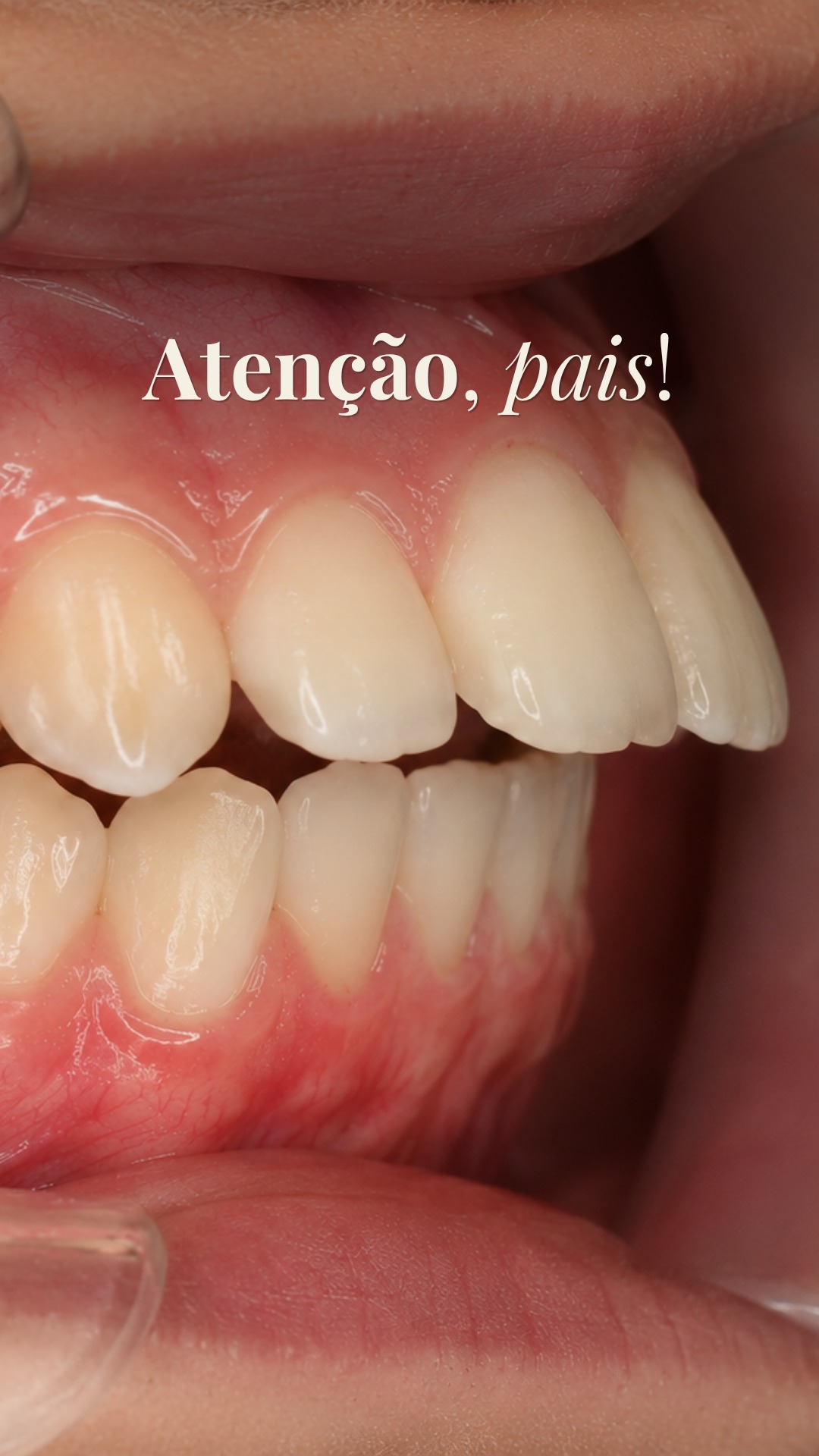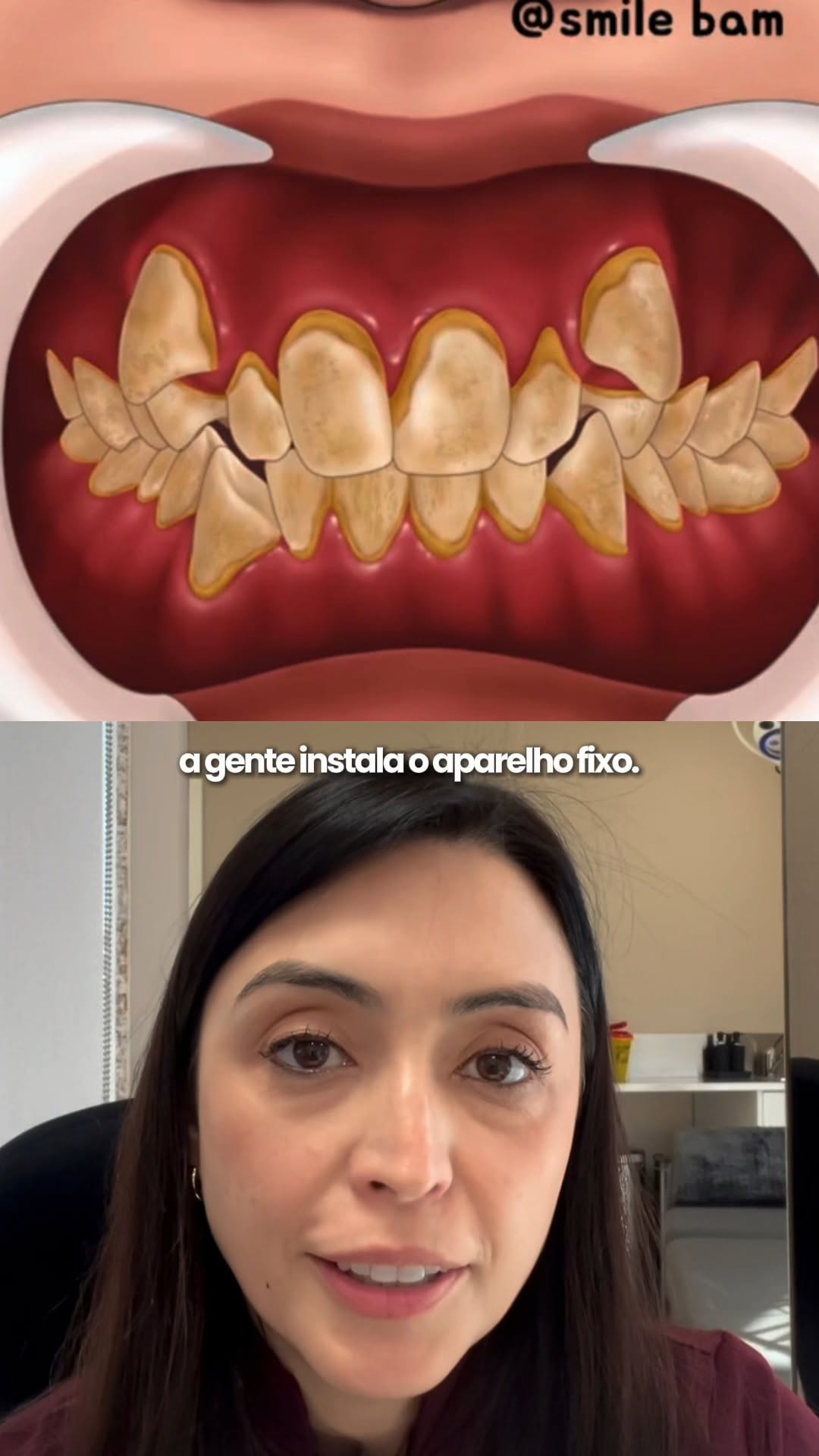
The braces installation process is far more precise than most people imagine. Many patients arrive expecting a quick procedure — a few brackets glued in place and done. In reality, each step follows a strict clinical sequence that directly shapes your comfort in the first days and the overall efficiency of your entire treatment.
What Actually Happens During Braces Installation
A proper braces fitting involves four distinct stages, each one building carefully on the last.
Step 1 — Enamel cleaning and acid conditioning Before any bracket is attached, your teeth are cleaned thoroughly. Then, a phosphoric acid gel is applied to the enamel for about 15 seconds. This creates tiny microscopic openings on the tooth surface — allowing the bonding resin to grip firmly, in a similar way to preparing a wall before painting. If this step is rushed or if saliva contaminates the surface, brackets are far more likely to detach during treatment.
Step 2 — Adhesive application and light curing Once the enamel surface is ready, a bonding adhesive is carefully applied. A curing light then hardens it within seconds, locking the foundation in place before bracket positioning begins.
Step 3 — Bracket placement Each bracket is positioned with millimetre precision. Its exact location on the tooth determines how force is distributed across your bite — so even a small misplacement can alter the direction of tooth movement and extend your treatment timeline.
Step 4 — Initial wire installation Finally, the orthodontic wire is threaded through all the brackets. Crucially, this first wire is chosen with great deliberation, not selected arbitrarily.
Why the First Wire Is a Strategic Choice
The wire used at the beginning of treatment is typically made from a nickel-titanium (NiTi) alloy. These superelastic wires have shape memory — they return to their original form after being bent, applying a gentle and continuous force on the teeth. According to a scientific review on orthodontic wires, understanding the mechanical properties of each wire allows the orthodontist to avoid unnecessary stress on teeth and supporting tissue.
Thinner, more flexible wires are preferred at the start because they respect the natural biology of tooth movement. As treatment advances, the wire sequence progresses — from initial to intermediate, then to working and finishing wires. This is a calculated progression, not an arbitrary change.
Enamel Preparation: The Invisible Foundation
Proper acid conditioning creates a micro-mechanical bond between the bracket and the enamel. Research indicates that adequate bond strength falls between 6 and 8 MPa. Below that range, brackets loosen during normal eating and speaking. Above it, removing the bracket at the end of treatment can risk enamel damage. Achieving this balance requires the correct acid concentration, precise timing, and a perfectly dry surface — all of which depend entirely on the orthodontist's technique and care.
What to Expect in the First Days
Some discomfort after fitting braces is entirely normal — and it is actually a sign that your teeth have already started to move. However, the intensity of that discomfort is closely tied to the quality of the installation. Well-positioned brackets and a properly chosen wire apply controlled, predictable forces. An imprecise installation, by contrast, can generate uneven pressure and unnecessary pain.
Most patients experience sensitivity for two to four days. Soft foods and over-the-counter pain relief help considerably during this period. Additionally, taking care of your braces from day one is one of the simplest ways to avoid complications that could slow down your results.
The Consultation: Where Your Treatment Really Begins
Good orthodontic treatment starts long before any bracket is placed. A quality first appointment lasts at least 45 minutes and involves a complete facial and dental assessment, careful listening to your expectations, and a full explanation of the available options — all before any treatment plan is proposed.
This is where proper orthodontic treatment planning takes shape: diagnostic imaging, dental impressions, bite analysis, and a personalised roadmap designed specifically for your case. Skipping or rushing this step often produces generic plans — and generic plans rarely deliver the smile you were hoping for.
Ready to Take the First Step?
If you have been thinking about starting orthodontic treatment, the right place to begin is a proper clinical evaluation — not just a quote. A thorough assessment gives you a clear picture of your situation, realistic expectations, and a plan built around your specific needs.
Start your journey — reach us on WhatsApp: Talk to us now
Frequently asked questions
What are the steps of getting braces fitted?
A proper fitting has four stages. First the teeth are cleaned and a phosphoric acid gel is applied to the enamel for about 15 seconds to create tiny openings for bonding. Then adhesive is applied and hardened with a curing light. Next each bracket is positioned with millimetre precision, and finally the initial wire is threaded through all the brackets.
Why is the first orthodontic wire chosen so carefully?
The wire used at the beginning is typically a nickel-titanium alloy. These superelastic wires have shape memory, returning to their original form after being bent and applying a gentle, continuous force. Thinner, more flexible wires are preferred at the start because they respect the natural biology of tooth movement, and the sequence progresses in a calculated way.
Why does enamel preparation matter when fitting braces?
Acid conditioning creates a micro-mechanical bond between bracket and enamel. Research indicates adequate bond strength falls between 6 and 8 MPa: below that brackets loosen during eating and speaking, and above it removal can risk enamel damage. Achieving this balance requires the correct acid concentration, precise timing and a perfectly dry surface.
Is discomfort normal in the first days after getting braces?
Yes, some discomfort after fitting is entirely normal and is actually a sign that your teeth have started to move. However, the intensity is closely tied to the quality of the installation. Well-positioned brackets and a properly chosen wire apply controlled, predictable forces, while an imprecise installation can generate uneven pressure.