The facial orthopedic mask for children is one of the most powerful tools in orthodontics — not because it straightens teeth, but because it guides how the bones of the face grow. Used at the right age, this appliance can reshape the upper jaw's development and potentially prevent the need for jaw surgery later in life. For parents hearing about it for the first time, understanding what it does, when it works, and why timing matters so much can completely change how they approach their child's dental care.
What a Facial Orthopedic Mask Actually Does
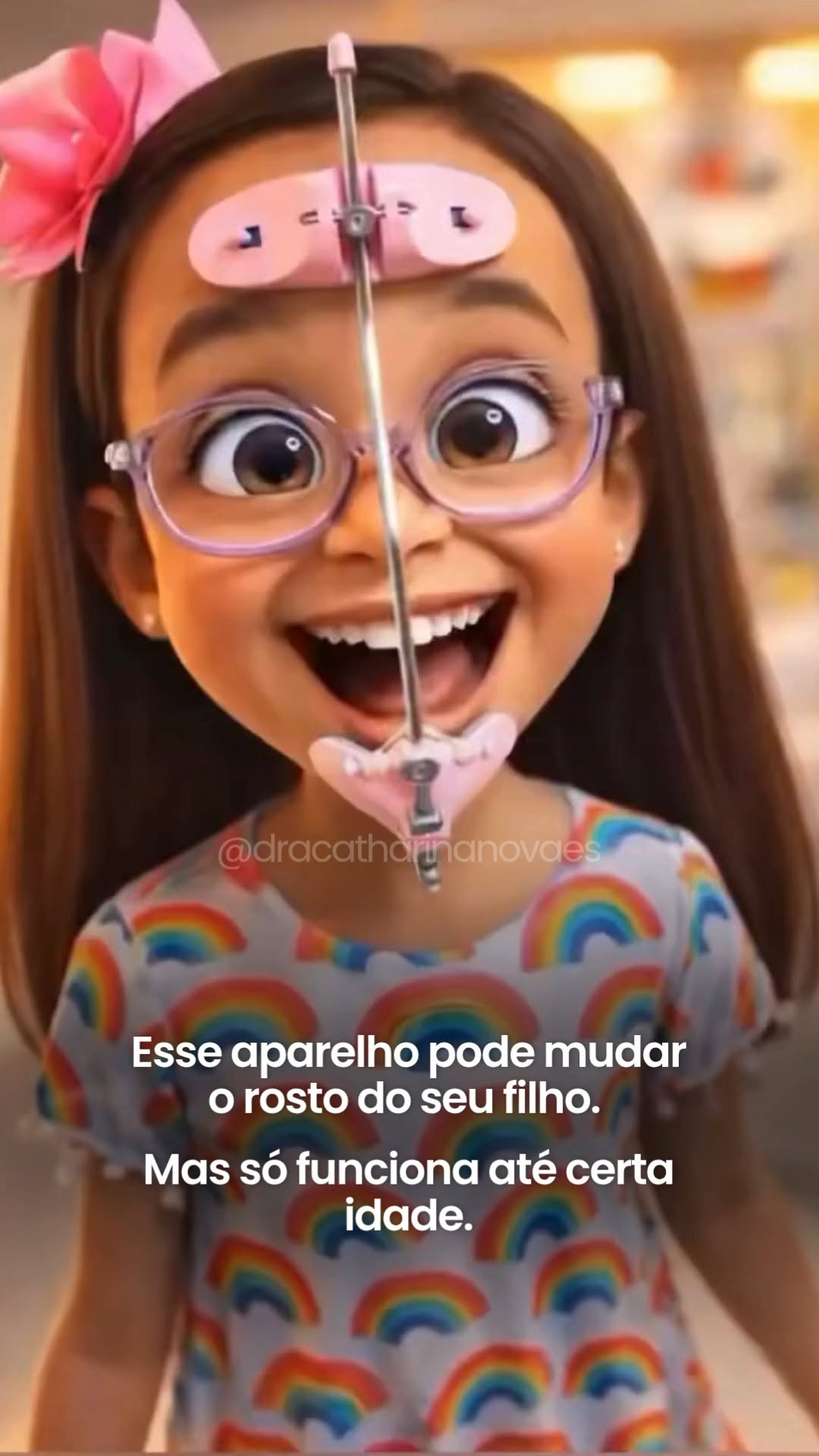
A facial orthopedic mask is a removable appliance worn on the outside of the face. It works by gently pulling the upper jaw — called the maxilla — forward and downward, stimulating bone growth rather than moving teeth. This is orthopedic treatment, which is fundamentally different from traditional orthodontics.
The distinction matters more than most families realize. When the upper jaw is underdeveloped compared to the lower jaw, the facial profile can appear sunken or concave. This pattern is classified as Class III, and the mask addresses it by encouraging the upper jaw to grow in the correct direction while the child's facial bones are still forming.
Who This Treatment Is For
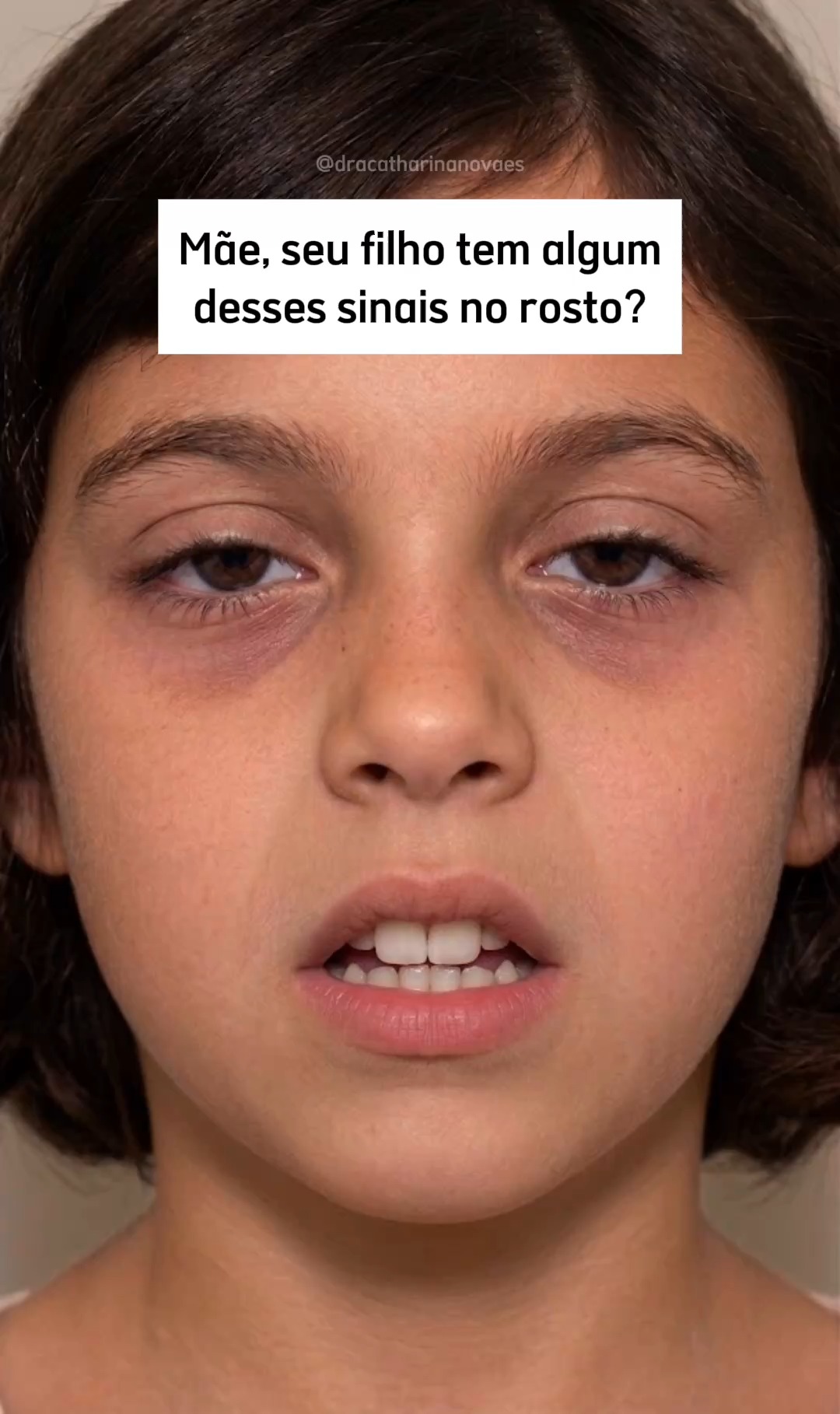
Children with a Class III jaw relationship — where the lower jaw protrudes forward or the upper jaw sits too far back — are the primary candidates for this treatment. Parents often first notice the issue when their child's lower teeth bite in front of the upper teeth, a pattern commonly referred to as an underbite.
However, not every underbite looks the same below the surface. Some cases are caused by tooth positioning; others reflect a true bone imbalance. A lateral cephalometric X-ray is essential to understand exactly what is happening structurally. That analysis forms the foundation of any responsible treatment plan.
The Age Window: Why 6 to 10 Years Old
Timing is arguably the most critical factor in this treatment. Between the ages of 6 and 10, the sutures of the upper jaw — the zones where new bone naturally forms — are still active and responsive. During this phase, the bones can be guided in a new direction by gentle, sustained force. The mask works precisely by taking advantage of this biological window.
Research published in the Dental Press journal by Peter Ngan from West Virginia University confirms that treatment is effective from ages 5 to 12, but outcomes are significantly better in younger patients. Children treated before age 8 have shown upper jaw advancement of up to 3.7° (measured by the SNA angle), compared to approximately 2.0° in those treated between ages 7 and 10.
After the pubertal growth spurt, these sutures begin to harden and fuse. At that point, orthopedic force no longer produces significant bone change. Cases that miss this window frequently require orthognathic surgery — a complex jaw correction procedure — later in adulthood.
What Daily Use Looks Like
The mask is removable, which means results depend almost entirely on whether the child wears it consistently. Recommended use is typically 12 to 14 hours per day — mostly during evenings and overnight. School hours are generally excluded.
Building a steady routine makes compliance far more achievable. Families who attach mask use to existing habits — putting it on at dinner, keeping it on through the night — tend to see the best outcomes. Children who wear it sporadically may not respond as well, even if their jaw pattern is ideal for treatment. Keeping communication open between the orthodontist, the parents, and the child helps turn a challenging routine into a manageable one.
Part of a Larger Treatment Plan
The facial orthopedic mask is rarely used alone. In many protocols, a maxillary expander is used first to widen the upper jaw slightly before the forward-pulling phase begins. Together, these appliances produce more complete skeletal changes than either device could achieve on its own.
After the orthopedic phase concludes, most children will still need a second stage of treatment — usually fixed braces or clear aligners — to align the teeth properly. The mask addresses the foundation; the following phase refines the result. This is a multi-year process, and the orthodontist remains a consistent presence throughout the child's growth.
For a broader look at how the timing of early intervention affects long-term results, this article on early orthodontic treatment timing covers what parents commonly overlook before scheduling the first visit.
What Happens If Treatment Is Delayed
Class III jaw patterns do not correct themselves over time. Without treatment during the growth phase, the imbalance typically becomes more pronounced as the child develops. By adolescence or adulthood, what might have required only a few months of mask use could instead call for a surgical procedure with a much longer recovery and greater complexity.
Early evaluation — ideally between ages 5 and 7 — gives the orthodontist the ability to monitor growth and time the intervention precisely. Missing this window does not make treatment impossible, but it significantly narrows the available options. The difference between acting at age 7 and waiting until age 14 can sometimes mean the difference between a removable mask and a major surgery.
To understand the broader picture of early orthodontic care and what signs to watch for, this guide on early orthodontic signs worth noticing is a helpful starting point for any parent.
Schedule an Early Evaluation
If your child is between 5 and 10 years old and shows signs of an underbite, a flat facial profile, or a jaw imbalance — or if similar patterns run in the family — scheduling an evaluation now is the most effective step you can take.
Growth moves faster than most parents expect, and this treatment window will not stay open indefinitely. Reach out via WhatsApp to arrange a consultation: chat with us here. An early assessment gives you a clear picture of your child's development before the best options begin to close.
Frequently asked questions
What does a facial orthopedic mask do for a child?
A facial orthopedic mask gently pulls the upper jaw, called the maxilla, forward and downward, stimulating bone growth rather than moving teeth. It is a removable appliance worn on the outside of the face. This is orthopedic treatment, which guides how the facial bones grow while the child is still developing.
Which children are candidates for a facial orthopedic mask?
Children with a Class III jaw relationship, where the lower jaw protrudes or the upper jaw sits too far back, are the primary candidates. Parents often notice the lower teeth biting in front of the upper teeth, an underbite. A lateral cephalometric X-ray is essential to confirm whether the cause is bone imbalance or tooth positioning.
Why does age 6 to 10 matter for this treatment?
Between ages 6 and 10, the sutures of the upper jaw, where new bone naturally forms, are still active and responsive. During this phase the bones can be guided in a new direction by gentle, sustained force. The mask works by taking advantage of this biological window.
Can a facial orthopedic mask prevent jaw surgery?
Used at the right age, this appliance can reshape the upper jaw's development and potentially prevent the need for jaw surgery later in life. Because it guides bone growth while the facial bones are still forming, early treatment can address a Class III imbalance before it becomes more complex.