Partial orthodontic treatment risks are far more serious than most patients realize — and understanding them could save you years of frustration and thousands in retreatment costs. Many people today seek quick fixes: align the top teeth, hide the crowding that shows when they smile, and move on. But straightening only part of your mouth while ignoring the rest is a little like fixing one wheel of a car and calling it road-ready. It looks fine from certain angles, but the mechanics are still broken.
What Is Occlusion — and Why Should You Care?
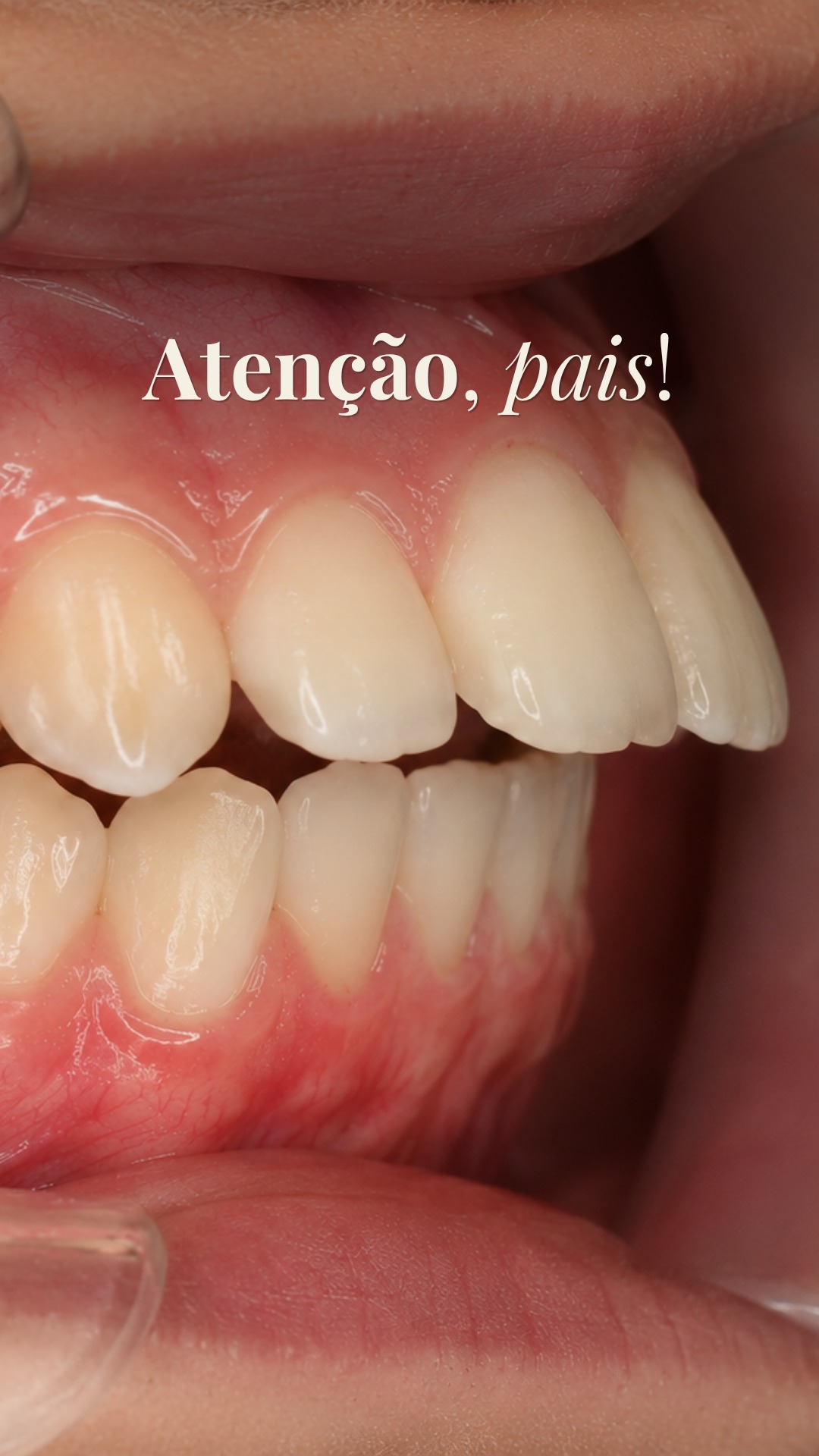
Occlusion is the way your upper and lower teeth come together when you close your mouth. Think of it as a handshake between both jaws. When that handshake is off, the whole system pays a price.
A misaligned bite — even one that developed after partial orthodontic treatment — can trigger a chain reaction that goes far beyond your teeth. According to Tua Saúde, untreated malocclusion has been linked to uneven enamel wear, jaw joint strain (TMJ disorders), chronic headaches, ear ringing, neck tension, and even postural changes in the spine. The mouth is not an isolated system. Consequently, what happens there ripples outward into your overall health.
How Treating Only the Top Teeth Creates Long-Term Problems
When an orthodontist moves only the upper arch without evaluating how it fits against the lower arch, the result is a smile that may look straighter but bites incorrectly. This mismatch puts unequal pressure on certain teeth during chewing, clenching, and speaking.
Over time, that unequal pressure leads to:
- Accelerated enamel and dentine wear — teeth grinding against each other at the wrong angles
- TMJ overload — the jaw joint absorbs stress that the bite should distribute evenly
- Bruxism and muscle pain — jaw muscles tense up trying to compensate
- Periodontal disease — abnormal forces weaken the bone and gum tissue around teeth
- Postural impact — jaw imbalance has been shown to affect head, neck, and spinal alignment
Research published in the Revista FT confirms that any orthodontic rehabilitation must consider the masticatory system as a whole — not individual arches in isolation.
The Relapse Problem: Why Teeth Go Back to Where They Were
One of the most common complaints after orthodontic treatment is relapse — teeth shifting back toward their original position. This happens even in well-executed cases, but the risk multiplies significantly when the initial planning was incomplete.
The Federal University of Santa Catarina (UFSC) identified incorrect diagnosis and planning as the leading cause of orthodontic relapse. Without occlusal stability — meaning both arches working together in proper balance — there is no structural foundation to hold teeth in their new position. Lower front crowding is among the most relapse-prone conditions in orthodontics, and treating only the upper arch leaves the underlying imbalance untouched. Furthermore, if retainer use is inconsistent after treatment, the shifting process accelerates even faster.
If you have already been through treatment and noticed your teeth moving again, this article on nightly retainer use explains why consistent retention is essential for protecting your results.
The "Quick Fix" Trap — Especially With Clear Aligners
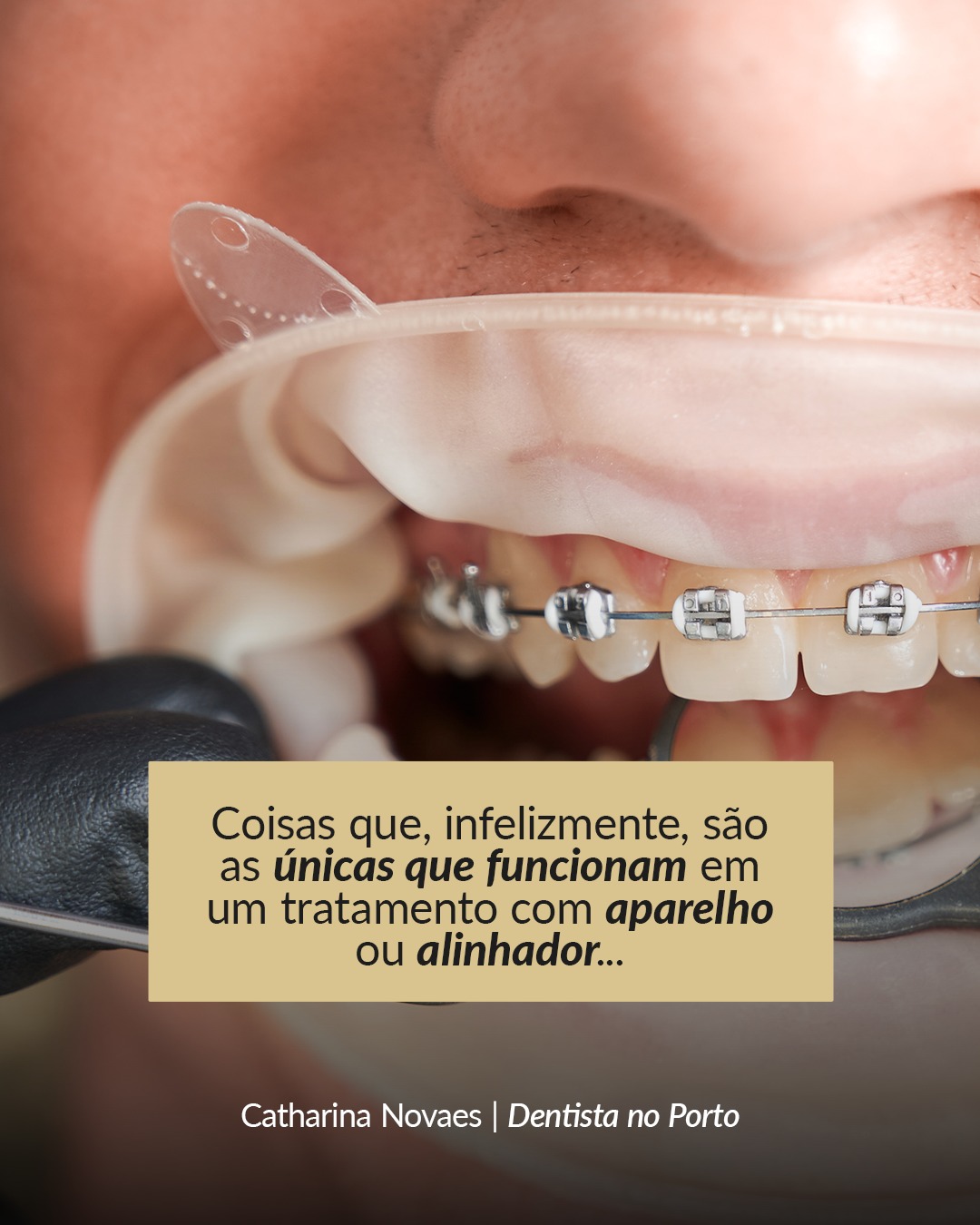
Transparent aligners have made orthodontic treatment more accessible and discreet. That is genuinely good progress. However, the technology itself does not change the underlying biology. A treatment that moves only the teeth visible in your smile — regardless of whether it uses metal braces or a clear aligner — still produces an incomplete result if the bite goes unaddressed.
Many patients seek treatment with a single goal: improve the appearance of their front teeth, as quickly as possible. The problem is that aesthetic improvement without functional correction is an incomplete treatment. It trades a visible issue today for a deeper structural problem tomorrow.
Before choosing your appliance, it helps to understand what full orthodontic planning actually involves. This guide to choosing the right braces breaks down what to consider before committing to any system.
What a Complete Orthodontic Assessment Actually Looks Like
A thorough orthodontic evaluation is not just about taking photos or counting crowded teeth. Instead, it involves assessing the relationship between both arches, the jaw joints, the bone structure, soft tissue, and the overall bite function.
That process typically includes:
- Clinical examination of how upper and lower teeth meet at rest and during movement
- Radiographic analysis — panoramic and lateral x-rays to evaluate bone, roots, and growth
- Photographic documentation — facial and intraoral photos to capture proportions and symmetry
- Bite analysis — identifying interferences, asymmetries, and signs of strain
- Treatment simulation — planning the final tooth positions before any appliance is placed
This is where the real work happens. The appliance comes after the plan — not the other way around. As discussed in this article on orthodontic treatment planning, skipping or shortcutting this stage is where most treatment failures begin.
The Real Cost of Getting It Wrong
Retreating an orthodontic case — going through the process a second time after relapse or poor initial results — is emotionally exhausting and financially significant. The time, the discomfort, and the cost of a second round will always far exceed what a more thorough initial evaluation would have required.
The most expensive appliance is the one you need to wear twice.
Choosing a practitioner who treats your bite as a complete system — not just the part visible in your selfie — is the single most important decision in your entire orthodontic journey.
Ready to Start With the Right Foundation?
A proper diagnosis does not begin with an appliance. It begins with a conversation.
If you are considering orthodontic treatment and want to understand what your bite actually needs — not just how your smile looks — reach out via WhatsApp at +351 926 533 304. A free diagnostic consultation is your first step toward a result that truly lasts.
You deserve a treatment plan built for your whole mouth — not just the front row.
Frequently asked questions
What is occlusion and why does it matter in orthodontics?
Occlusion is the way your upper and lower teeth come together when you close your mouth, like a handshake between both jaws. When that handshake is off, the whole system pays a price. A misaligned bite has been linked to uneven enamel wear, jaw joint strain, chronic headaches, neck tension and even postural changes in the spine.
Why can treating only the top teeth cause long-term problems?
Moving only the upper arch without evaluating how it fits the lower arch creates a smile that may look straighter but bites incorrectly. This puts unequal pressure on certain teeth during chewing, clenching and speaking, which over time can lead to accelerated enamel wear, TMJ overload, bruxism and muscle pain, and periodontal disease.
Why do teeth relapse after orthodontic treatment?
Relapse means teeth shifting back toward their original position. It happens even in well-executed cases, but the risk multiplies when initial planning was incomplete. Incorrect diagnosis and planning is a leading cause. Without occlusal stability there is no foundation to hold teeth in place, and inconsistent retainer use accelerates the shifting.
Are clear aligners a safe quick fix for crooked teeth?
Aligners have made treatment more accessible, but the technology itself is not the problem. The risk comes from wanting to align only the visible teeth in the smile without evaluating the bite as a whole. Any orthodontic rehabilitation must consider the masticatory system as a whole, not individual arches in isolation.