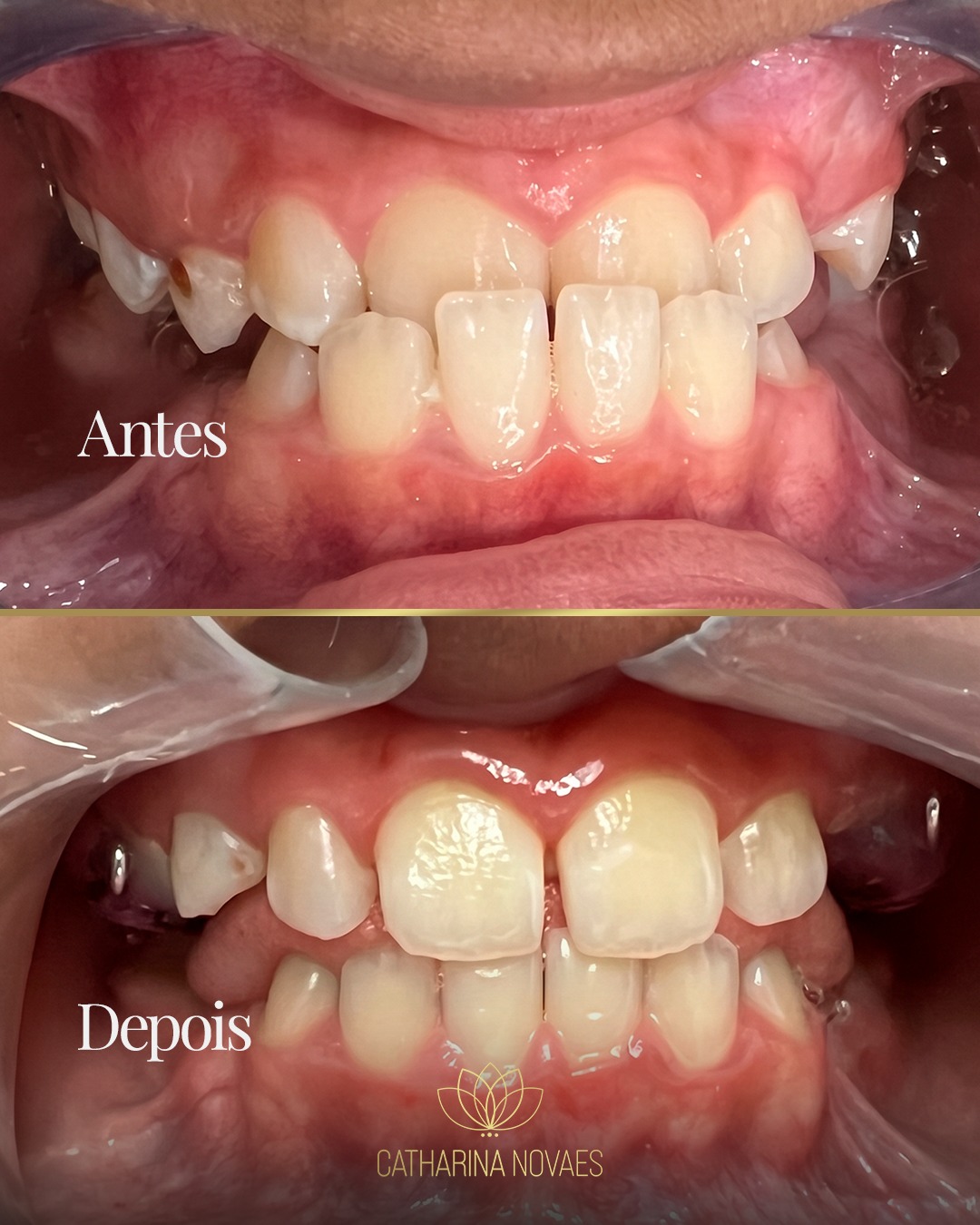
Class III malocclusion early treatment is one of the most time-sensitive decisions in orthodontics — and one of the most misunderstood. When someone notices a prominent jaw or an underbite, the reaction is often visual: "that just looks different." However, what is actually happening involves the structural relationship between two bones — the upper jaw (maxilla) and the lower jaw (mandible) — and its effects reach far beyond appearance.
What Class III Malocclusion Actually Is
Class III malocclusion is not simply "a big chin" or "a large jaw." It is a skeletal condition where the lower jaw sits too far forward relative to the upper jaw, the upper jaw sits too far back, or both problems occur at the same time. The condition is structural — meaning it involves how bones relate to one another, not merely how a face looks from the outside.
There is also an important variant worth understanding: the Pseudo Class III. In this case, the lower jaw shifts forward out of habit or muscle tension, but no real skeletal imbalance exists beneath it. This distinction matters enormously because each situation calls for a completely different treatment approach. No photo or online comment can draw that line — only a hands-on clinical evaluation can.
Three Origins, One Label
The condition can develop from three distinct starting points:
- Maxillary deficiency — the upper jaw did not grow forward enough (the most common cause in people of European ancestry)
- Mandibular excess — the lower jaw grew more than expected
- A combination of both — deficiency above and excess below, acting at the same time
Each origin points toward a different strategy. That is precisely why trained professionals look beyond the surface of a face before arriving at any plan.
The Growth Window: Why Timing Defines Options
During active growth — roughly from ages 4 to 12, covering the primary and mixed dentition stages — bone tissue is still responsive to orthopedic forces. This period is a genuine window of opportunity, and it closes as the child approaches skeletal maturity.
Early treatment using a facial orthopedic mask combined with rapid maxillary expansion has well-documented results in redirecting upper jaw growth. Current evidence-based protocols even aim for a deliberate overcorrection of 2–3 mm of overjet, anticipating continued lower jaw growth after treatment ends. For more on how facial masks work in early intervention, this article on facial orthopedic masks for children explains the process in clear detail.
Once skeletal growth is complete, the bones become fixed. At that point, moderate-to-severe cases typically require orthognathic surgery — a far more complex and costly path than early interception. Historically, many orthodontists avoided treating Class III early because they believed excessive lower jaw growth was irreversible. Today, research directly contradicts this, and delayed diagnosis has real, avoidable consequences. For a broader look at how growth timing shapes orthodontic decisions, this resource on early orthodontic treatment timing covers what parents most often miss.
Beyond Appearance: Chewing, Speaking, and Breathing
Many people focus on how Class III looks. Yet the functional impact is equally significant — and often more disruptive to daily life.
A study published in SciELO comparing bite force across different types of malocclusion found a clear result: patients with Class III consistently showed the lowest bite force among all groups studied. In practical terms, that means chewing is measurably less efficient — not just aesthetically different.
Beyond chewing, Class III can also affect:
- Speech: sounds like "s" and "sh" become harder to articulate when the jaw relationship is altered
- Tongue posture and swallowing: the tongue adapts to the altered bone position, creating compensatory patterns that can reinforce the imbalance over time
- Breathing: nasal obstruction and mouth breathing are both a contributing factor and a consequence, forming a cycle that feeds itself
If you have noticed your child frequently breathing through their mouth, this article on mouth breathing signs in children explains what to watch for and when to seek evaluation.
Genetics and Environment: Both Play a Role
Class III has a strong genetic foundation. Prevalence rates vary considerably by ethnicity: the condition is most common in Asian populations (15–23%), followed by Hispanic (8–9%), African (3–8%), and lowest in Caucasian populations (0.5–4%). Family history is a meaningful predictor.
Environmental factors, however, are not passive bystanders. Prolonged sucking habits, mouth breathing, atypical tongue positioning, and postural imbalances can amplify or trigger a genetic tendency toward Class III. Therefore, addressing these habits early — with professional guidance — can meaningfully change the direction of a child's jaw growth. Genetics, in other words, is not destiny.
Professional Diagnosis vs. Social Media Opinions
Social media has made amateur diagnosis more common than ever. People observe a face in a photo and, with apparent confidence, declare what type of bite someone has. In reality, an accurate diagnosis involves a structured process:
- Clinical examination and thorough anamnesis
- Mandibular manipulation in centric relation — repositioning the jaw to its true neutral resting position, not the habitual posture it defaults to
- Cephalometric analysis, interpreted carefully in children (the ANB angle is less reliable in growing patients due to how the mandible rotates during development)
- Wits analysis as a complementary measurement
A trained clinical eye sees what no camera captures. Diagnosis is a process built from data — not a visual judgment made from a photo. To understand how imaging contributes to orthodontic planning, this article on cephalometric imaging in orthodontics offers a clear and accessible explanation.
Signs Worth Watching in Young Children
If your child is between 4 and 10 years old, certain signs are worth bringing to a professional before growth is complete:
- The lower front teeth overlap the upper front teeth when biting together
- The chin appears noticeably prominent compared to the upper face
- The child habitually breathes through the mouth rather than the nose
- Certain speech sounds — particularly "s" — seem noticeably different from peers
Early evaluation does not always lead to immediate treatment. Instead, it gives you the information needed to act at the right moment, rather than after the window has already closed.
Ready to Get a Professional Opinion?
Class III malocclusion is highly treatable when addressed during the right growth phase. If you have questions about your child's jaw development, or want to book an evaluation, reach out directly via WhatsApp: Talk to Dr. Catharina Novaes. Early evaluation costs nothing to schedule — and the right moment to act may be closer than you think.
Frequently asked questions
What is Class III malocclusion in children?
Class III malocclusion is a skeletal condition, not simply a big chin or large jaw. It occurs when the lower jaw sits too far forward relative to the upper jaw, the upper jaw sits too far back, or both at the same time. It is structural, involving how the bones relate to one another, and its effects reach beyond appearance.
What is a Pseudo Class III?
In a Pseudo Class III, the lower jaw shifts forward out of habit or muscle tension, but no real skeletal imbalance exists beneath it. This distinction matters enormously because each situation calls for a completely different treatment approach. No photo or online comment can draw that line; only a hands-on clinical evaluation can.
What causes Class III malocclusion?
It can develop from three distinct origins: maxillary deficiency, where the upper jaw did not grow forward enough and the most common cause in people of European ancestry; mandibular excess, where the lower jaw grew more than expected; or a combination of both. Each origin points toward a different treatment strategy.
Why is early treatment of Class III so time-sensitive?
During active growth, roughly ages 4 to 12 covering the primary and mixed dentition stages, bone tissue is still responsive to orthopedic forces. This window of opportunity closes as the child approaches skeletal maturity. Early treatment with a facial orthopedic mask combined with rapid maxillary expansion has well-documented results in redirecting upper jaw growth.