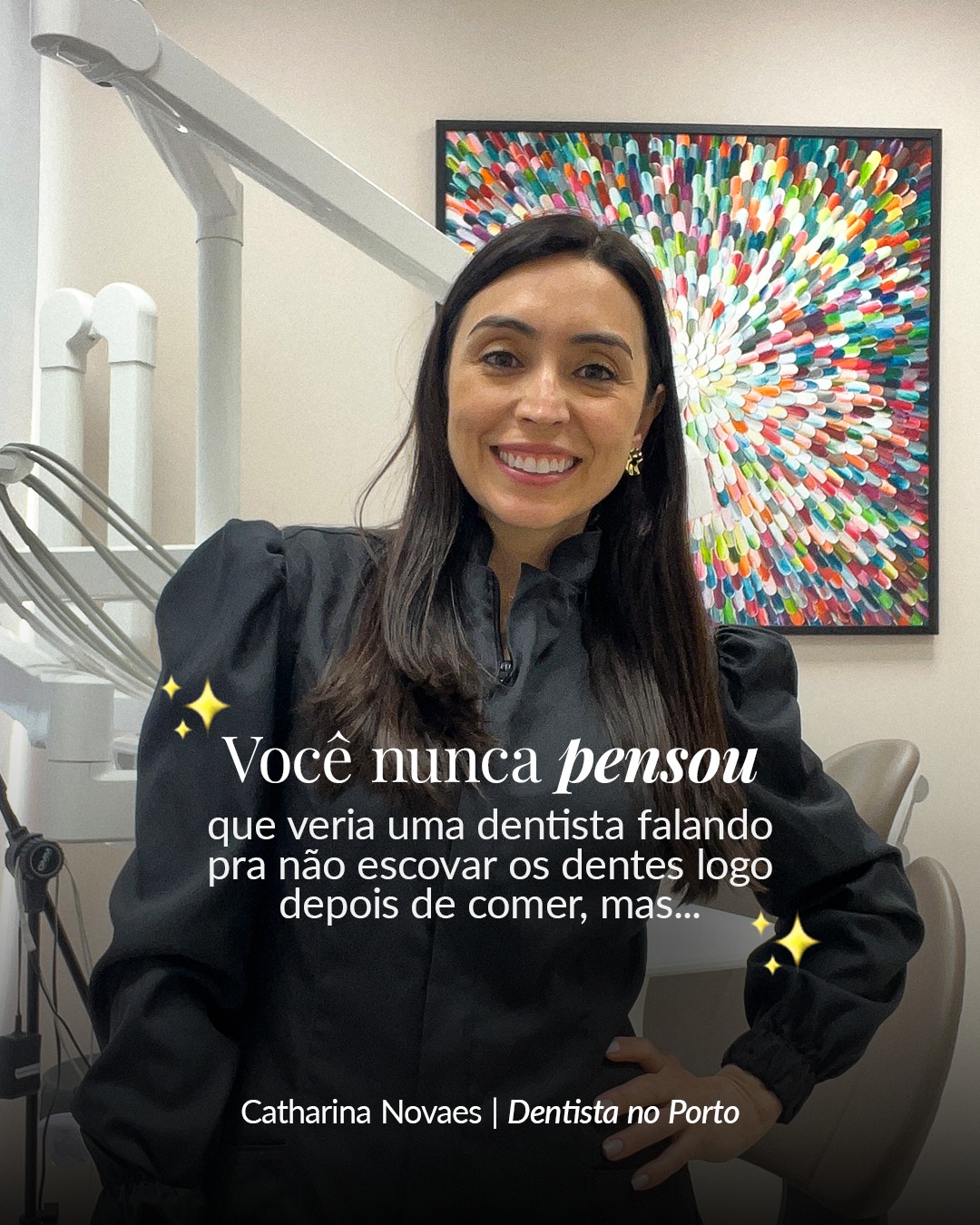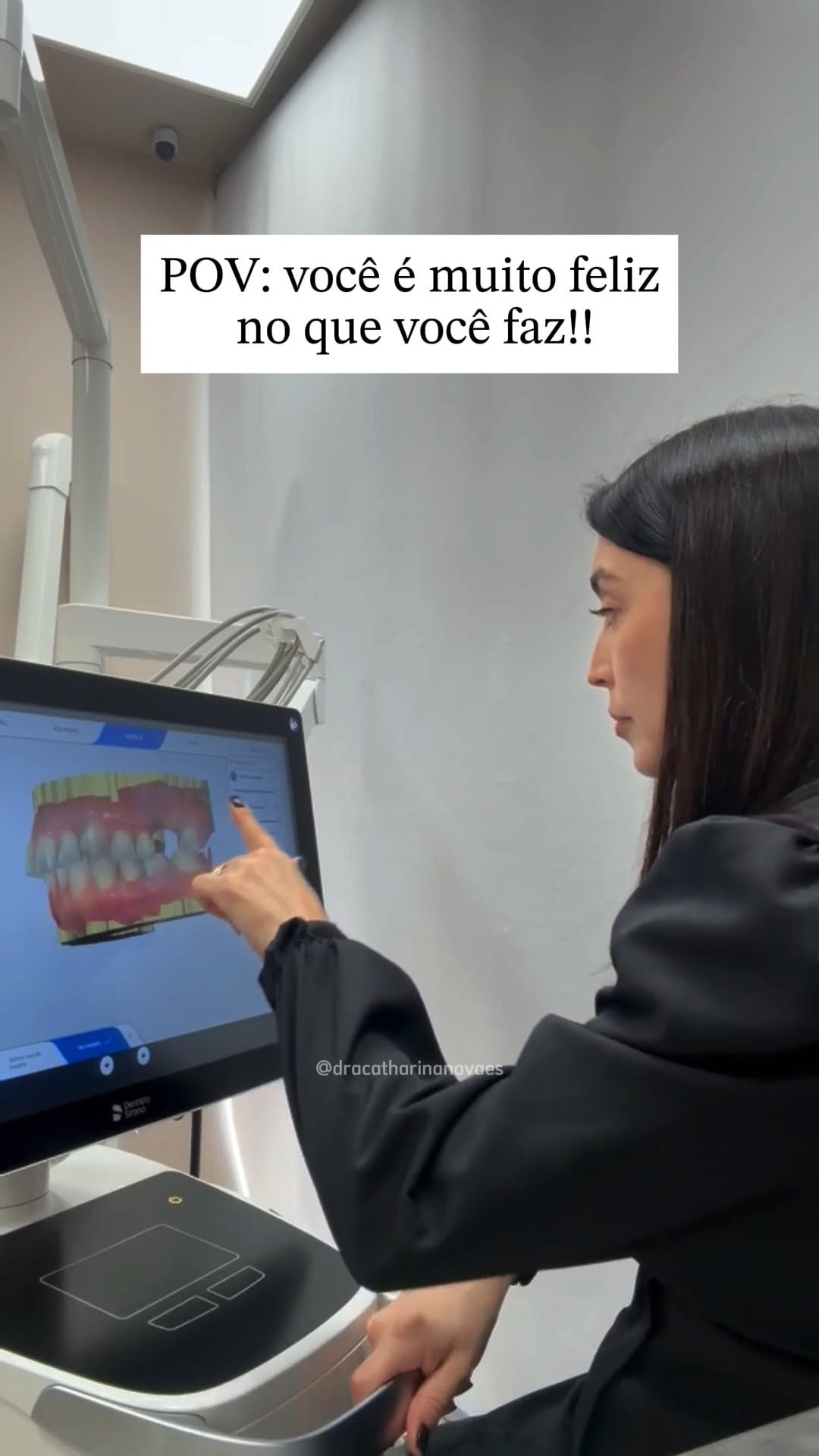
Smile transformation and patient confidence are more deeply connected than most people realize — and as a dental professional, I witness this connection every single day. Some days are filled with back-to-back appointments, complex treatment plans, and decisions that require full concentration. Yet, despite all of that, one thing consistently makes the work feel worthwhile: watching a person walk out of the clinic with a different relationship to their own smile.
The Science Behind the Smile
Confidence is not just a feeling. Research using the PIDAQ questionnaire — short for Psychosocial Impact of Dental Aesthetics — shows that dental appearance has measurable effects on how people move through their social lives. Those who feel dissatisfied with their teeth often avoid photos, cover their mouth when laughing, and hold back in situations where they would otherwise be fully present. Far from being minor inconveniences, these patterns can shape how a person shows up in relationships, at work, and in everyday moments.
Furthermore, a systematic review published on SciELO analyzed 158 studies on oral health and quality of life. Its finding is straightforward: psychological and social well-being should be part of dental planning, not just clinical data. Treating a person, in other words, means treating more than just their teeth.
The Emotional Arc Every Patient Goes Through
There is a recognizable pattern in how patients experience dental treatment. At first, many arrive with what might be described as active insecurity — they have been managing discomfort with their smile for so long that hiding it has become automatic. They avoid certain angles in photos, smile with their lips closed, or step back from opportunities that require them to be fully present.
Then, as treatment progresses, small moments of change begin to appear. A patient might comment that they caught themselves smiling without thinking. Another might say they feel less tired of holding back. These are quiet milestones. By the end of treatment, however, the shift is unmistakable — people report not just aesthetic improvement but a renewed sense of confidence in who they are.
That arc is what makes this profession truly remarkable.
What Humanized Dentistry Really Looks Like
Humanization in dentistry is sometimes reduced to simply being kind. In reality, it involves something far more structured: active listening, anxiety management, and genuine respect for each patient's history, fears, and expectations. According to scientific literature, these practices are not optional extras — they are fundamental to effective care.
When dental professionals cultivate this relational dimension of their work, two things happen. Patients show better adherence to treatment and achieve stronger clinical results. Meanwhile, the professionals themselves report greater job satisfaction, a clearer sense of purpose, and significantly less burnout. In other words, humanization creates a better experience for everyone in the room.
The Gap Between Perception and Reality
Despite all of this, many people still associate the dental clinic primarily with fear or discomfort. There is a meaningful gap between how oral health care is perceived publicly and what it actually offers. This gap creates a real opportunity — for professionals to share the human side of their work, and for patients to rethink their relationship with their own smile and well-being.
As one article in the Archives of Health Investigation highlights, the dental field must actively work to translate theoretical knowledge about humanization into concrete, daily actions. The philosophy already exists within the literature. What matters is the consistent commitment to making it real in every single appointment.
If you are curious about what this looks like in practice, this article on real orthodontic cases from the clinic offers an honest look at the balance between technical demands and human connection.
Why I Choose This Work Every Day
Not every appointment is easy. Some cases require extensive planning, difficult conversations, and careful decision-making under real pressure. Nevertheless, there is always a moment — sometimes significant, sometimes quiet — that brings everything back into focus.
It might be a patient who laughs freely for the first time in years. Or someone who says, "I didn't realize how much this was holding me back." These moments are not coincidences. They are the result of attentive, consistent, genuinely human care — and that is exactly what makes this profession worth choosing again, every single day.
Your Smile Deserves That Kind of Care
Your relationship with your smile matters more than you might think. If you have been delaying dental care, or if you have been living with insecurity about your teeth for a long time, the change you are looking for may be closer than it seems.
Taking the first step is as simple as starting a conversation. Reach out via WhatsApp to find out what is possible for your smile — and for your confidence.
Frequently asked questions
How are a person's smile and their confidence connected?
Research using the PIDAQ questionnaire, short for Psychosocial Impact of Dental Aesthetics, shows dental appearance has measurable effects on social life. People dissatisfied with their teeth often avoid photos, cover their mouth when laughing and hold back in situations. These patterns can shape how someone shows up in relationships, at work and in everyday moments, so confidence is not just a feeling.
What does humanized dentistry actually involve?
It is more than being kind. It involves active listening, anxiety management and genuine respect for each patient's history, fears and expectations. According to scientific literature, these practices are fundamental to effective care. When professionals cultivate this relational dimension, patients show better adherence and stronger clinical results, while professionals report greater satisfaction and less burnout.
Should emotional wellbeing be part of dental treatment planning?
Yes. A systematic review published on SciELO analyzed 158 studies on oral health and quality of life and found that psychological and social well-being should be part of dental planning, not just clinical data. Treating a person means treating more than just their teeth, considering how their smile affects their confidence and daily life.