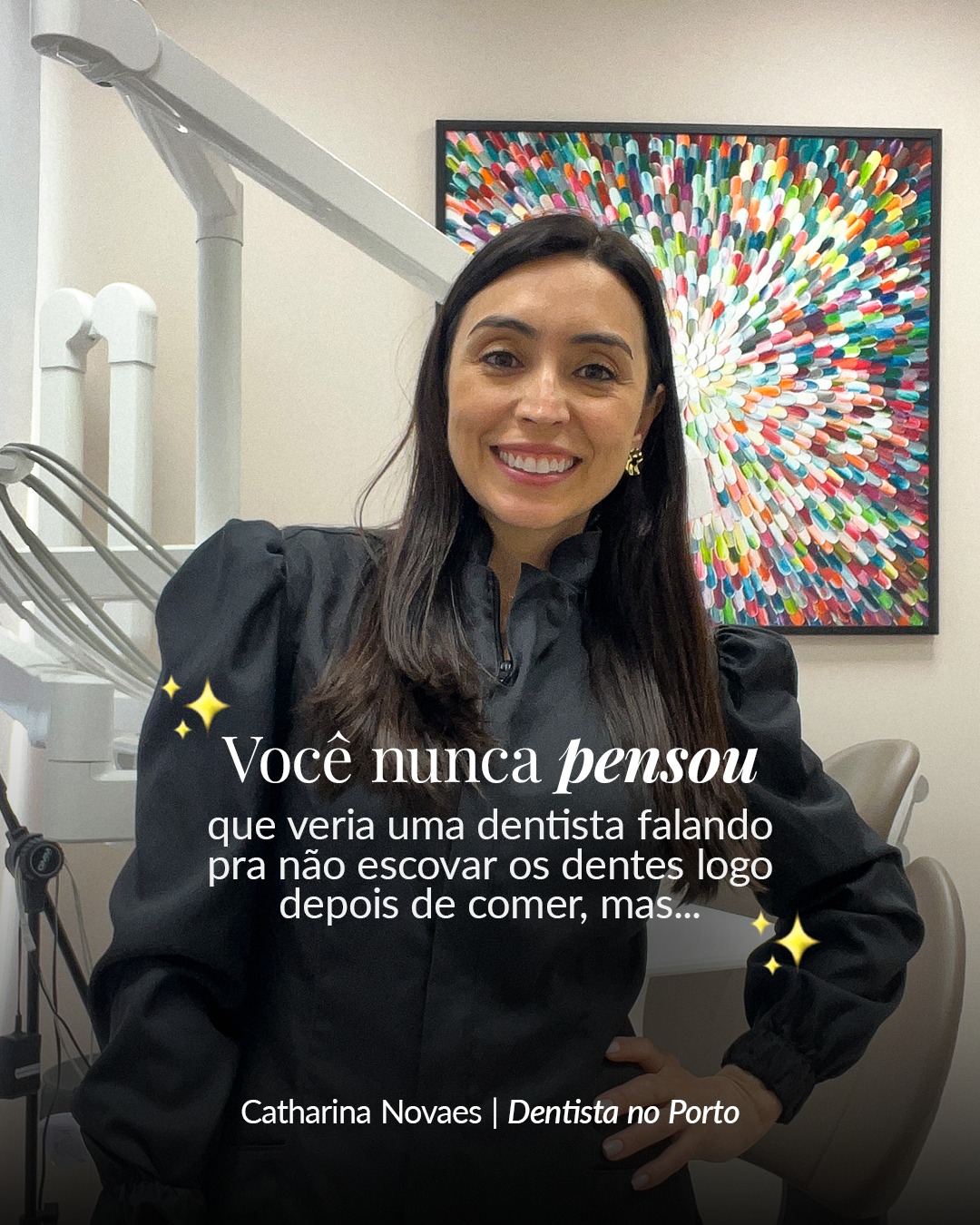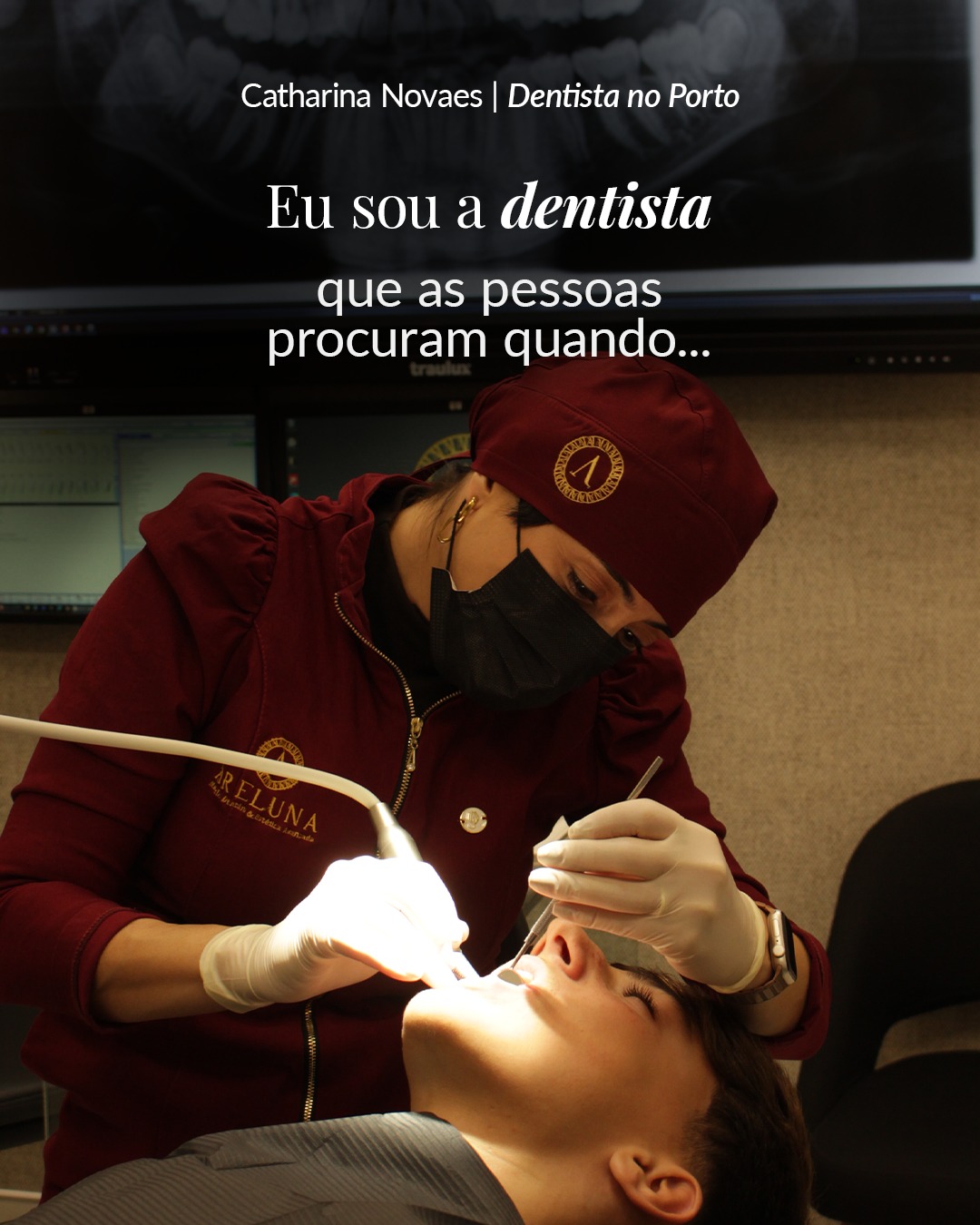
A dental visit without judgment is something every patient deserves — and something I work hard to create from the very first appointment. Many people delay going to the dentist because they feel embarrassed about their teeth, worried about being criticized, or unsure what to say when they arrive. If that sounds familiar, this article is for you.
Why So Many People Wait Until It Hurts
The most common reason patients avoid the dentist is not the pain — it is fear. Fear of being judged, fear of hearing bad news, and fear of not knowing what questions to ask. Over time, this avoidance turns into a cycle: small problems grow into bigger ones, which feel even more embarrassing to bring in, which leads to even more avoidance.
Research confirms this pattern. A study published in the Journal of Health Sciences found that dental anxiety is one of the leading causes of treatment avoidance, and that this avoidance tends to worsen oral health over time. Breaking that cycle starts with a single step: choosing a practice where you feel safe enough to simply show up.
If any of this resonates with you, know that you are far from alone. Many people put off dental visits for exactly these reasons — and it is never too late to change that.
You Don't Need to Know What's Wrong Before Coming In
One of the most common things I hear from new patients is: "I wasn't sure if this was worth coming in for." Here is what I want you to know — that is exactly what the appointment is for.
You do not need to arrive with a self-diagnosis. The name of the tooth that hurts is not required, and whether your gums are supposed to look the way they look is something we figure out together. Bringing your concern — however small or uncertain it feels — is more than enough. My job is to listen, assess, and explain clearly what I find.
This is not just kindness. It is how good dental care actually works. Patients who feel comfortable saying "I'm not sure, but something feels off" give me a much clearer picture than those who stay silent out of embarrassment.
Trust Is Built Through Listening, Not Just Technique
There is a common assumption that the most important thing about a dentist is technical skill. Skill matters, of course — but research consistently shows that patients value communication just as much, and sometimes more.
A study from UNIP (2024) on empathy and humanized dental care found that patients who feel genuinely heard are more likely to return for follow-up appointments, stick with treatment plans, and maintain preventive habits long after the appointment ends. Communication is not a nice extra — it is part of the treatment itself.
Listening actively means more than staying quiet while you speak. It means taking your concerns seriously, even when they seem minor. Your experience from a previous visit matters, and I do remember what you told me. When I notice you seem nervous, I slow down.
What Happens Before I Touch Anything
Transparency is not just a kind gesture — it is a clinical tool. Studies show that explaining each step of a procedure before starting it measurably reduces patient anxiety. Knowing what is coming next gives you a sense of control, and that sense of control changes the whole experience.
Before I begin any treatment, I explain what I am about to do and why. If something might feel a little uncomfortable, I say so in advance. Questions mid-appointment are always welcome — there are no stupid questions here.
This approach connects to something called oral health literacy — your ability to understand and act on information about your own mouth. The more clearly I explain what I find and what it means, the better equipped you are to take care of your smile between visits.
Leaving Informed, Not Just Treated
A good appointment does not end when you leave the chair. It ends when you walk out understanding what happened, why it happened, and what comes next.
Part of my role is to educate — not lecture, not overwhelm, but genuinely help you understand your own mouth. Explaining why a particular area tends to collect plaque, or showing you what your X-ray actually means, adds up over time. Informed patients make better decisions and keep up with preventive routines for much longer.
That is why regular preventive checkups feel far less intimidating once you understand what they are actually for. Knowledge removes the fear of the unknown — and that, in itself, is part of the treatment.
Humanized Care Is a Posture, Not a Protocol
Humanized care is not a marketing word. It is an attitude — a way of treating every person who walks through the door as an individual, not just a set of teeth.
It starts before you sit in the chair. The tone used when greeting you, the way questions are answered, the absence of any moment where you feel rushed or dismissed — all of these matter. Research on humanization training in dentistry highlights that welcoming practices begin in the waiting room and continue through every single interaction. Dozens of small moments build a lasting relationship, not just one excellent procedure.
When you feel that your dentist genuinely cares about your comfort and your understanding, you come back. And when patients come back regularly, their oral health stays in a much better place.
Ready to Come In — On Your Own Terms
You do not need to know what is wrong. Perfect teeth are not required to walk through the door. Feeling brave is not a condition either.
If you have been putting off a visit, or if you have had a difficult experience somewhere else and want to try again, I would love to hear from you. Send me a message on WhatsApp — no pressure, no commitment. Just a conversation about your smile.
Your smile deserves care. And so do you.