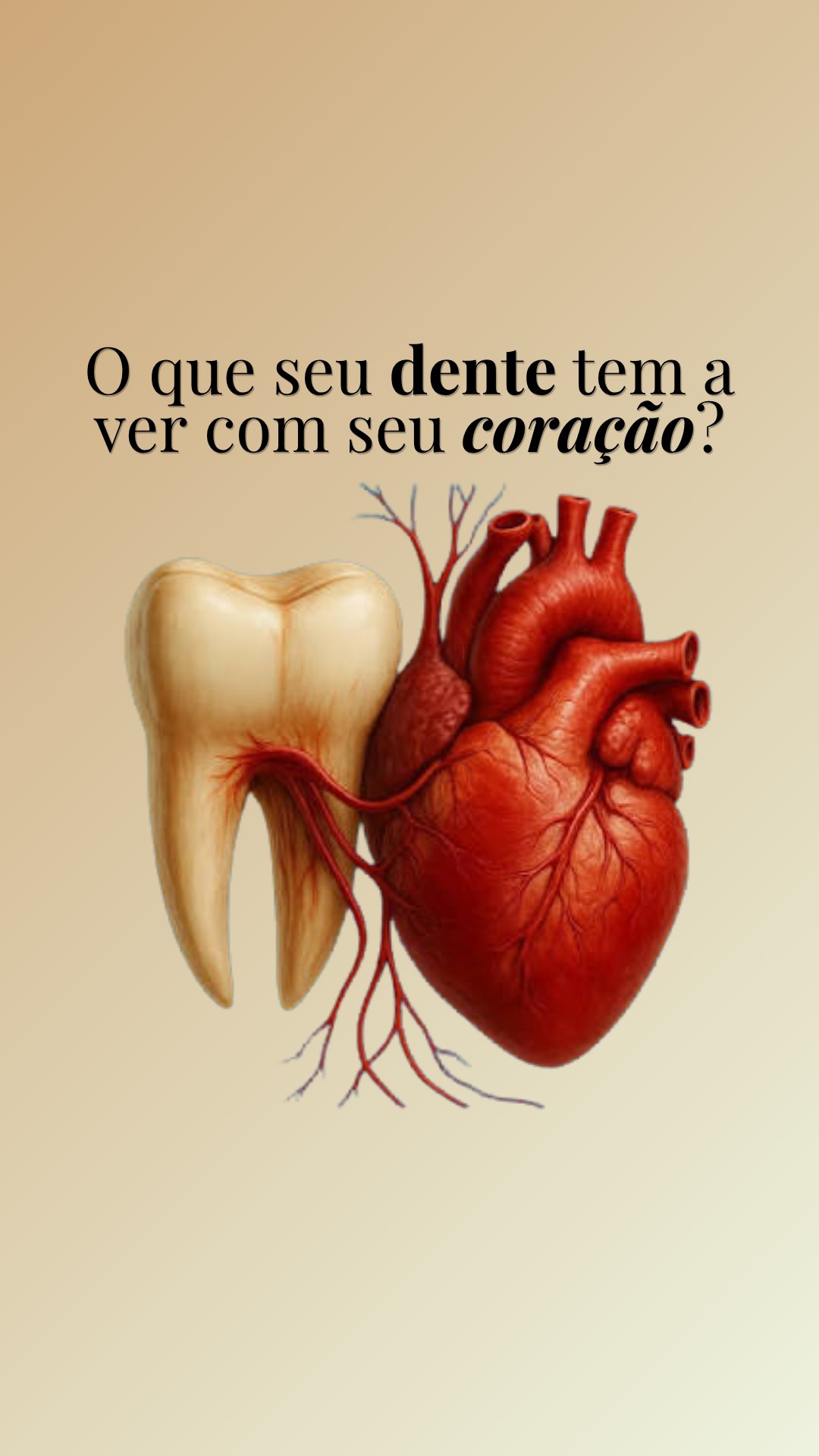
Preventing gum disease at home is one of the most valuable things you can do for your overall health. Many people focus on their teeth and forget that the gums are the foundation holding everything together. When gums are not well cared for, the consequences go beyond bad breath — they can affect your heart, your confidence, and even your ability to chew comfortably.
Why Gum Health Matters More Than You Think
Gum disease, also known as periodontal disease, starts quietly. At first, there may be no pain at all — just a little redness or slight bleeding when you brush. However, if left untreated, it can progress to a stage where the bone that holds your teeth starts to break down. The good news is that the early stage, called gingivitis, is completely reversible with the right habits.
The Warning Signs You Should Not Ignore
Your gums are trying to communicate with you. Bleeding when brushing is the most common early sign, but there are others worth knowing:
- Swollen or tender gums
- Gums that look red instead of pink
- Bad breath that does not go away after brushing
- Teeth that feel slightly loose
- Gums pulling away from the teeth
If you notice any of these signs, it is a good idea to act quickly. Gum problems become more serious with age — read more about the signs you should not overlook after 50.
Daily Habits That Make a Real Difference
The foundation of healthy gums is consistency. Brushing twice a day is essential, but how you brush matters just as much as how often. Use gentle, circular motions and make sure you reach the gumline — that is where bacteria like to hide.
Flossing is the second most important habit, and it is one that many people skip. Running floss between each tooth removes plaque from areas your brush simply cannot reach. There is truly no substitute for dental floss — no mouthwash or electric brush can fully replace it.
Mouthwash can be a helpful addition, but it works best as a complement, not a replacement for brushing and flossing.
Foods That Affect Your Gums
What you eat has a direct impact on your gum health. Sugary and starchy foods feed the bacteria that cause gum disease. On the other hand, crunchy vegetables like carrots and apples can naturally clean your teeth as you chew. Drinking plenty of water throughout the day also helps wash away food particles and keeps your mouth hydrated.
Vitamin C is particularly important for gum tissue. Foods like oranges, strawberries, and bell peppers support gum repair and help keep inflammation under control.
When Home Care Is Not Enough
Even with excellent daily habits, professional cleanings are still necessary. A dentist can remove hardened plaque — called tartar — that no amount of brushing will eliminate at home. According to the NHS, gum disease is very common and affects people of all ages, which makes regular professional care essential alongside good home habits.
If you have been putting off your dental visits, there has never been a better time to stop delaying and book a check-up.
Take the Next Step for Your Gum Health
Your gums deserve the same attention as your teeth. Start with the basics: brush gently twice a day, floss daily, and visit your dentist regularly. Small, consistent actions add up to lasting results.
If you have questions about your gum health or would like a personalized evaluation, reach out via WhatsApp at +351 926 533 304 — a healthy smile is just one conversation away.