Gum bleeding warning signs are something most people dismiss without a second thought. You notice a little pink in the sink, assume you were brushing too hard, and move on. Yet that small trace of blood may be your body's earliest signal that something is quietly going wrong beneath your gums.
Why Bleeding Gums Are Never "Just Normal"
Healthy gums do not bleed. When you brush or floss and notice blood, your gum tissue is already inflamed — a condition called gingivitis. The good news is that, at this stage, gingivitis is completely reversible. A professional cleaning combined with better daily hygiene is usually all it takes to bring your gums back to full health.
The problem is that most people do not connect bleeding gums to a real medical concern. Instead, they blame the wrong cause — a toothbrush that is "too stiff" or floss that is "too aggressive." This misunderstanding means the inflammation continues untreated, and the window to reverse it slowly closes.
From Gingivitis to Periodontitis: A Silent Progression
If gingivitis is left untreated, it can progress into periodontitis — a more serious condition that begins to destroy the bone and ligaments supporting your teeth. The key difference between the two is reversibility: gingivitis affects only the gum tissue and can heal; periodontitis causes permanent bone damage.
This shift happens through the formation of periodontal pockets — small gaps that open between your teeth and gums. Bacteria settle deep into these spaces, where your toothbrush and floss can no longer reach them. Over time, their toxins break down the surrounding bone and tissue. By the time a tooth starts to feel loose or look longer, the damage is already significant and cannot be undone.
What makes this particularly dangerous is the silence. Many people experience years of active bone loss without any pain at all.
How Widespread Is Gum Disease?
Far more common than most people realise. According to the Brazilian Ministry of Health, severe periodontitis ranks as the sixth most common chronic condition in the world — as classified by the World Health Organization. Research from Brazil's national oral health survey found that up to 9 in 10 adults show some degree of gum inflammation. That figure reflects just how underdiagnosed this disease truly is.
Furthermore, periodontal disease is the leading cause of tooth loss in adults — surpassing trauma and advanced cavities as the main reason teeth need to be extracted in people over 35.
More Than a Dental Problem
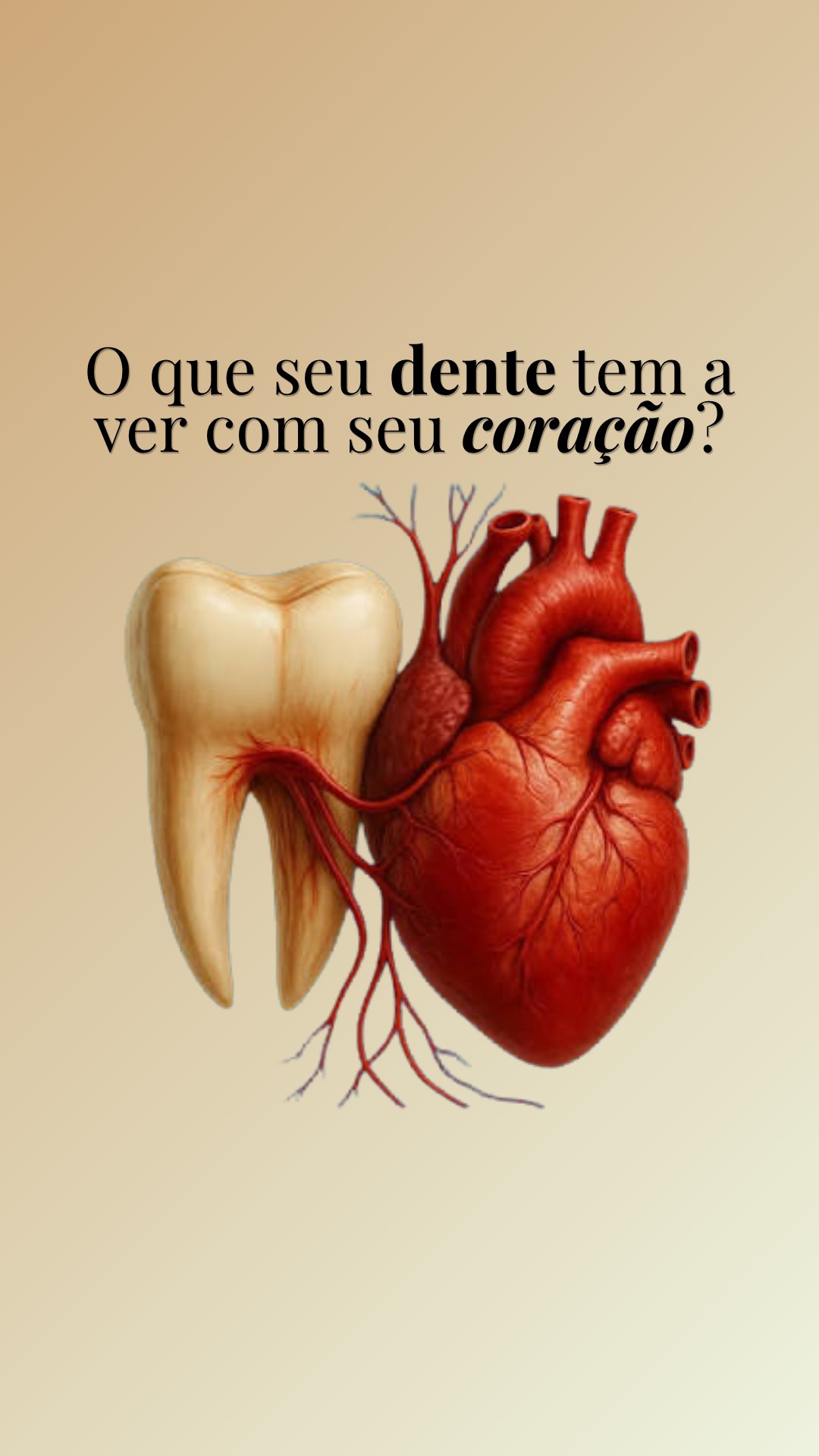
The consequences of gum disease extend well beyond your mouth. Chronic gum inflammation releases bacteria into your bloodstream, and research has confirmed links between periodontitis and heart disease, type 2 diabetes, and pregnancy complications.
This means that caring for your gums is not simply about aesthetics. It is a decision that protects your overall health. Building a consistent oral hygiene routine is one of the most effective steps you can take to prevent these broader consequences.
7 Signs You Should Not Ignore
The following signs may indicate that your gums need professional attention:
- Bleeding when brushing or flossing — especially if it happens regularly
- Persistent bad breath — caused by bacterial activity below the gumline
- Gum recession — teeth that appear longer than before
- Tooth sensitivity — roots becoming exposed as gum tissue pulls back
- Loose or shifting teeth — a sign that bone support is weakening
- Swollen or tender gums — ongoing inflammation that does not settle
- Pus between teeth and gums — a late-stage sign of active infection
If any of these are familiar, seeking a professional evaluation quickly is the right move. Waiting will not make the problem disappear — it will only allow it to advance further.
What Treatment Looks Like
The earlier the problem is caught, the simpler and less expensive the treatment. Gingivitis can often be resolved with one or two professional cleanings combined with better daily habits. Periodontitis, however, typically requires a deeper procedure called scaling and root planing, where the dentist cleans carefully below the gumline and smooths the root surface to discourage bacteria from settling again. In more advanced cases, surgical intervention may be needed.
Prevention is always more affordable than treatment. As this guide on preventive dental care explains, regular professional visits allow problems to be caught at their earliest and most manageable stage — before the damage becomes permanent.
Take Action Before It Is Too Late
Gum disease does not have to be inevitable. With regular dental check-ups and a solid daily hygiene routine, most people can keep their gums healthy for life. The challenge is acting before the problem demands your attention — because with periodontitis, the silence is the warning.
If you have noticed any of the signs listed above, do not wait for pain to make the decision for you. Reach out today and schedule a proper evaluation.
Talk to us on WhatsApp — we are here to help you understand your situation and take the right next step.
Frequently asked questions
Are bleeding gums ever just normal?
No. Healthy gums do not bleed. When you brush or floss and notice blood, your gum tissue is already inflamed, a condition called gingivitis. Most people blame a stiff toothbrush or aggressive flossing, but that misunderstanding means the inflammation continues untreated and the window to reverse it slowly closes.
Can bleeding gums be reversed?
Yes, at the gingivitis stage it is completely reversible. A professional cleaning combined with better daily hygiene is usually all it takes to bring your gums back to full health. The key is acting before it progresses to periodontitis, which causes permanent bone damage that cannot be undone.
How does gingivitis turn into periodontitis?
If left untreated, gingivitis can progress into periodontitis through the formation of periodontal pockets, small gaps between teeth and gums where bacteria settle deep, beyond the reach of brush and floss. Their toxins break down the surrounding bone and tissue. By the time a tooth feels loose or looks longer, the damage is already significant.
How common is gum disease?
Far more common than most people realise. Severe periodontitis ranks as the sixth most common chronic condition in the world, as classified by the World Health Organization. Research from Brazil's national oral health survey found that up to 9 in 10 adults show some degree of gum inflammation, reflecting how underdiagnosed it is.