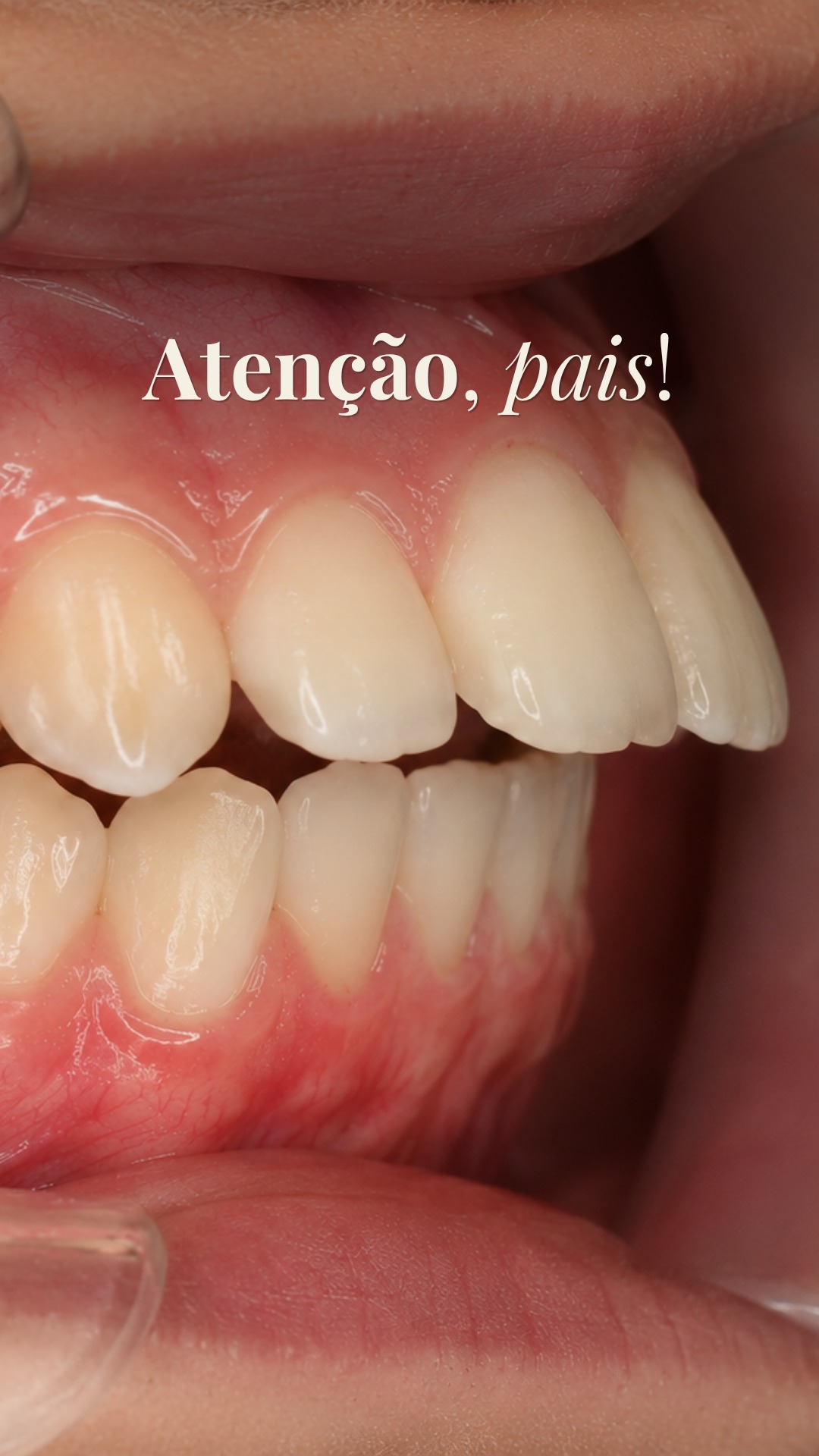
Teeth shifting after braces is one of the most common concerns that orthodontic patients share — and it is completely understandable. You spent months, sometimes years, working toward a better smile. Noticing that your teeth seem to be moving again can feel frustrating and confusing. However, this is a well-documented phenomenon in dentistry, and in most cases, it can be addressed with simpler solutions than the original treatment.
Why Do Teeth Move After Braces?
Your teeth are not fixed rigidly in the jaw. Each tooth is held in place by a soft tissue called the periodontal ligament, which acts almost like a small elastic band. After braces are removed, this ligament tends to pull teeth back toward their original position — a process known as orthodontic relapse. Importantly, this is not a sign that anything went wrong during treatment. It is simply a natural biological response.
Additionally, the lips, tongue, and cheeks continue to apply gentle pressure on the teeth throughout life. Over time, these forces can gradually shift teeth, especially in the lower front area. That is precisely why dentists recommend retainers even after treatment is fully complete.
The Signs Worth Watching For
Some changes happen slowly and are easy to miss. Knowing what to look for, therefore, makes a real difference. Here are some early warning signs that your teeth may be shifting:
- Slight crowding in the front teeth, especially the lower ones
- A tooth that appears to be rotating slightly
- A different feeling when your upper and lower teeth come together
- Floss getting tighter or harder to pass between certain teeth
Catching these changes early is the most important step you can take. When relapse is identified in the beginning stages, a short course of treatment — sometimes just a few weeks — can often restore alignment. Waiting longer, on the other hand, tends to mean more complex and costly intervention.
Can Clear Aligners Fix Relapse?
For mild to moderate cases — which represent the majority of relapse situations — clear aligners are a clinically effective and discreet option. According to a comparison published by Hospital Cruz Vermelha, aligners perform equivalently to fixed braces in roughly 75 to 80 percent of cases with light to moderate complexity. They are particularly well-suited for relapse correction because the teeth are generally healthy and the movement required is usually limited.
One important note: some scientific reviews suggest that teeth corrected with aligners may show slightly higher relapse rates one to three years after treatment, compared to fixed braces. This finding actually reinforces the importance of proper retention — after aligners just as much as after traditional braces.
The Role of Retention — For Life
Retention is not optional. It is the part of orthodontic treatment that maintains your results over time. Without consistent use of a retainer, relapse is not a matter of if — it is a matter of when.
Current scientific guidelines recommend indefinite retention for most patients. This may sound like a long commitment, but modern retainers make it very manageable. Fixed retainers — thin wires bonded to the back of the teeth — work passively without any daily effort. Removable retainers worn at night offer flexibility while still protecting your results. For practical guidance on building this habit, this article on nightly retainer use after braces covers the essentials in straightforward terms.
Why Every Case Is Different
Not every case of relapse looks the same. The right approach depends on how much the teeth have moved, the patient's age, the original type of misalignment, and the quality of the final bite achieved after the first treatment. A solution that works perfectly for a mild case in a young adult may not be appropriate for a more complex situation in someone who has been out of treatment for many years.
This is exactly why a proper individual evaluation — not a one-size-fits-all plan — is the starting point for any relapse correction. A specialist who takes the time to assess your specific situation will provide a more predictable and effective result. Furthermore, early diagnosis expands the range of available options, making treatment simpler and less disruptive to daily life.
What You Can Do Right Now
If you have noticed changes in your teeth since finishing orthodontic treatment, the most important step is not to wait. The sooner you seek an evaluation, the more straightforward the solution is likely to be. Relapse is common, manageable, and in most cases, entirely correctable with discreet modern options.
At Instituto Areluna, our team specializes in personalized orthodontic reassessment for adults and adolescents. Whether the change is subtle or more noticeable, we are here to evaluate your situation without judgment and present the most appropriate path forward — with clarity, care, and respect for your timeline.
Ready to find out where you stand? Reach out to us on WhatsApp — we will be happy to schedule your evaluation and answer any questions you might have.
Frequently asked questions
Why are my teeth shifting after braces?
Each tooth is held in place by the periodontal ligament, which acts like a small elastic band and tends to pull teeth back toward their original position after braces come off, a process called orthodontic relapse. It is not a sign anything went wrong. The lips, tongue, and cheeks also apply gentle pressure throughout life, gradually shifting teeth.
What are the early warning signs of relapse after braces?
Some changes happen slowly and are easy to miss. Watch for slight crowding in the front teeth, especially the lower ones; a tooth that appears to be rotating slightly; a different feeling when your upper and lower teeth come together; and floss getting tighter or harder to pass between certain teeth. Catching these early makes a real difference.
Can clear aligners fix teeth that shifted after braces?
For mild to moderate cases, which represent the majority of relapse situations, clear aligners are a clinically effective and discreet option. According to a comparison published by Hospital Cruz Vermelha, aligners perform equivalently to fixed braces in roughly 75 to 80 percent of cases with light to moderate complexity, making them well-suited for relapse correction.
Does shifting after braces mean the treatment failed?
No. Teeth shifting is a well-documented, natural biological phenomenon and not a sign that anything went wrong during treatment. In most cases it can be addressed with simpler solutions than the original treatment, especially when identified early, whereas waiting longer tends to mean more complex and costly intervention.