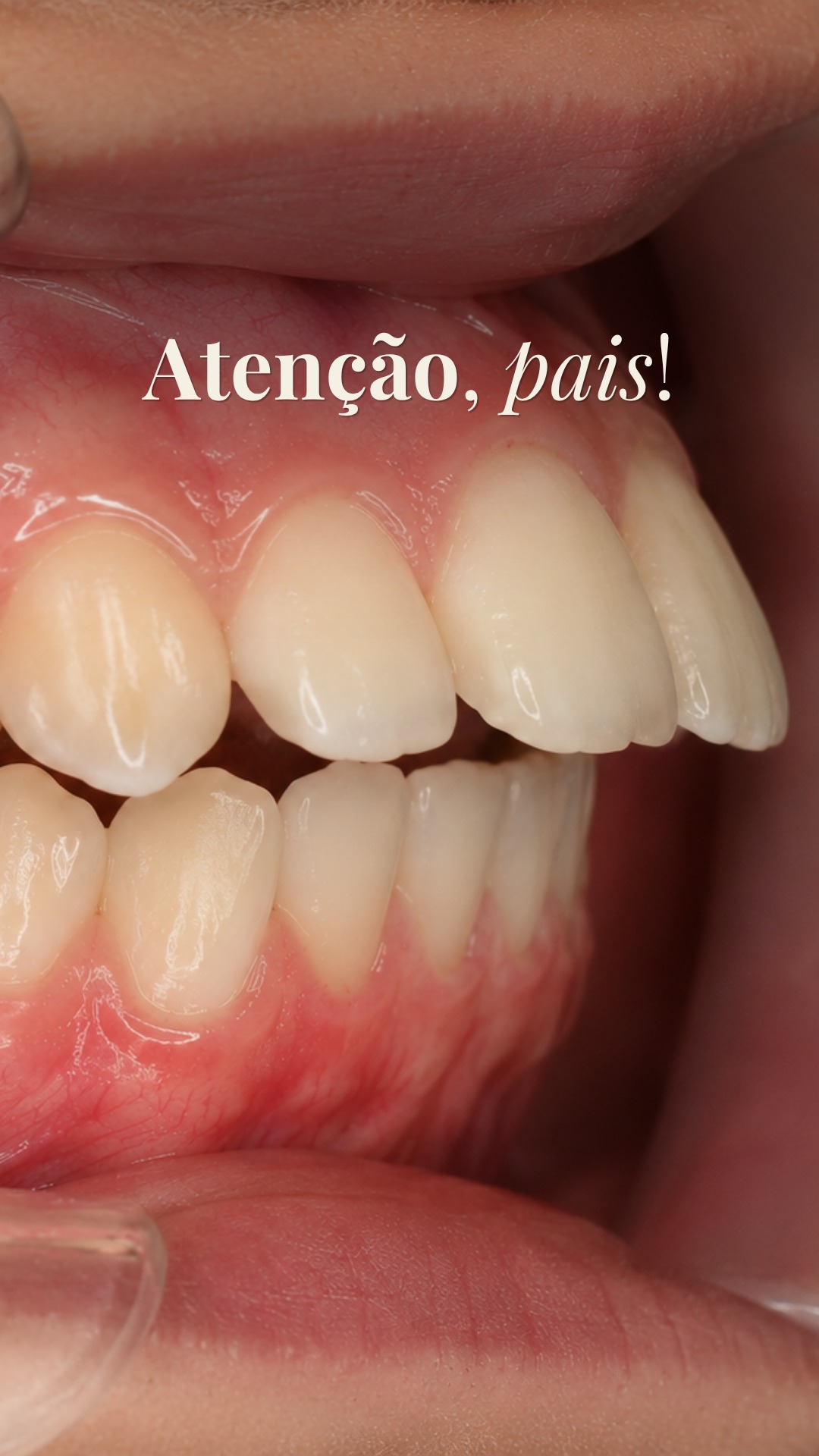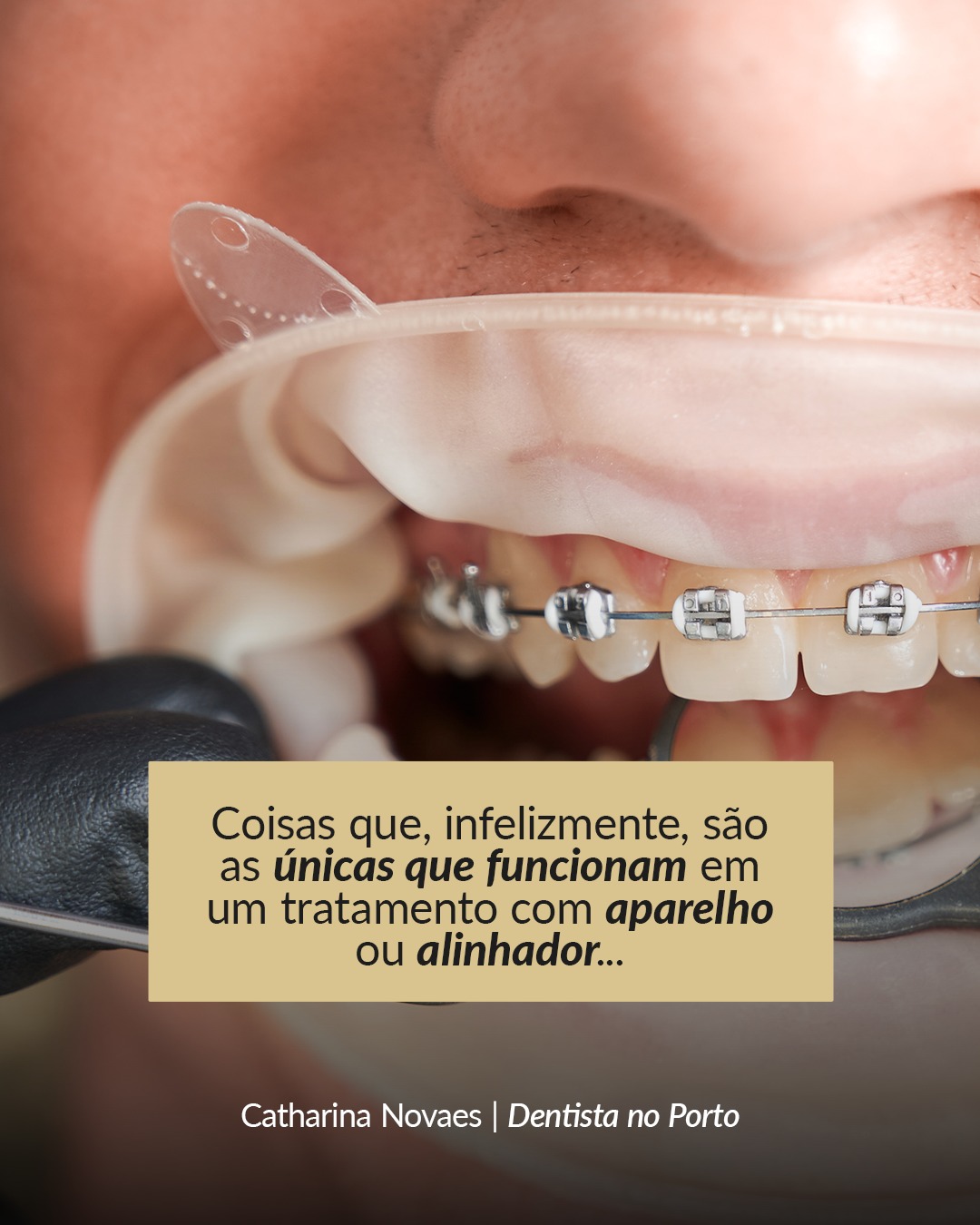
Orthodontic retention after braces is one of the most overlooked — yet most important — steps in your entire smile journey. Many patients believe that the day their braces come off is the finish line. In reality, it marks the beginning of a new phase that determines whether all that time and effort will actually last.
Why Your Teeth Want to Move Back
When your braces are removed, your teeth don't simply stay where they are. The fibers surrounding each tooth — called periodontal ligaments — have a kind of memory. They were stretched and repositioned during treatment, and without support, they gradually pull your teeth back toward their original positions. This shift can begin within just a few weeks.
At the same time, your jawbone needs time to harden around the new tooth positions. During active treatment, the bone around your teeth is constantly remodeling to allow movement. Once the braces come off, that bone is still relatively soft and vulnerable to pressure — which makes your retainer more critical than ever.
The Pressure That Never Stops
Even with braces gone, your teeth are still under constant pressure every single day. Your lips, cheeks, and tongue push and pull against your teeth whenever you speak, eat, or swallow. These forces never stop, regardless of your age or whether you have had orthodontic treatment.
That is one reason why retention is not just a short-term step. For many patients — particularly those who started with significant crowding — wearing a retainer is a lifelong habit. According to peer-reviewed research on orthodontic retention, the end of active treatment is never the end of the responsibility for dental stability.
Fixed Retainers vs. Removable Retainers
There are two main types of retainers, and the right one depends on your specific situation.
A fixed retainer is a thin wire bonded to the back of your lower front teeth. Because it stays in place around the clock, you never have to remember to put it in. However, it does require extra care when flossing and regular check-ups to confirm it remains securely attached.
A removable retainer — such as a clear tray or a Hawley plate — gives you the flexibility to take it out when eating or brushing. The trade-off is that it only works when you actually wear it. Skipping nights or forgetting sessions is, by far, the most common cause of avoidable relapse.
A typical plan involves wearing a removable retainer full-time for the first several months, then switching to nights only. Fixed lower retainers are often recommended for three to five years — or permanently in more complex cases.
Your Commitment Makes All the Difference
No retainer works on its own. Research consistently shows that patient commitment is the number one factor behind long-term success. Think of it this way: your retainer is the lock on the door, but you are the one who has to turn the key every single night.
Skipping your retainer — even occasionally — adds up over time. Gaps can reopen, teeth can rotate, and the crowding you worked so hard to correct can quietly return. Correcting relapse often means going through treatment all over again, which costs more in both time and money.
The removal of your braces marks the end of planned movement — never the end of your responsibility to your smile's stability.
Small Habit, Lasting Results
Wearing a retainer takes almost no time at all. A few seconds before bed is genuinely all it needs. Yet that small daily habit protects years of investment — in your smile, your confidence, and your overall dental health.
If you are looking to build habits that support your oral health long term, our guide on daily habits for dental health that last is a great place to continue. Good dental care does not end with the last adjustment — it grows into a routine that serves you for life.
Ready to Talk About Your Retention Plan?
Every smile is different, and so is every retention plan. Whether you are finishing treatment soon or wondering if your current retainer is still doing its job, we are here to help.
Send us a message on WhatsApp and we will be happy to guide you through the next steps — no pressure, just care.