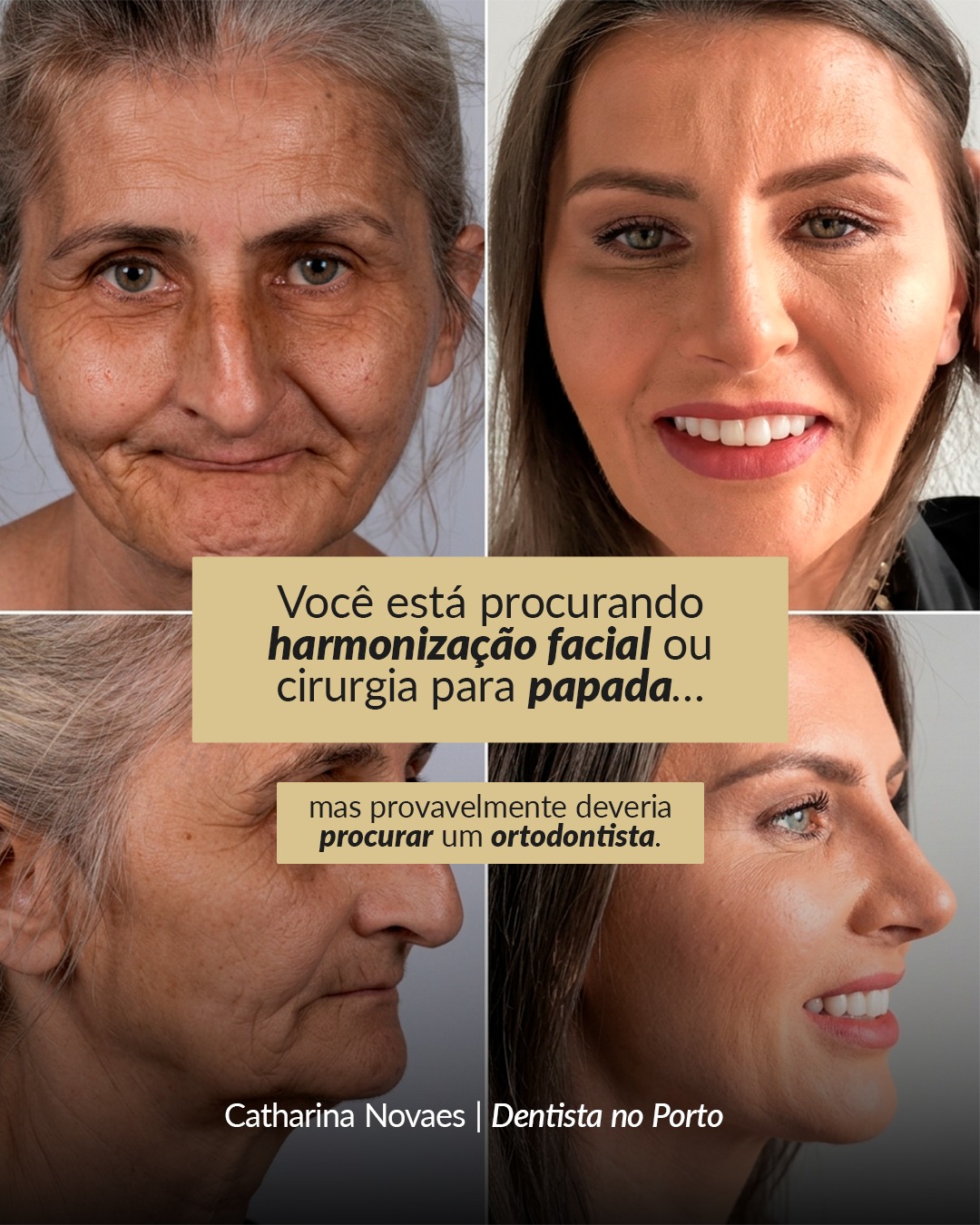
A recessed jaw and double chin may have less to do with fat than most people think — and everything to do with the bone structure beneath the surface. Millions of people undergo procedures like chin liposuction or facial fillers every year, hoping to finally achieve a cleaner profile. Many, however, find that the results fade, never quite deliver, or require constant maintenance. The reason this happens, in many cases, is that no one stopped to ask a fundamental question: is the problem truly on the surface, or does it go deeper?
The Jaw Behind the Double Chin
The lower jaw — called the mandible — is one of the most important structures defining your facial profile. When it sits too far back, the angle between your chin and neck becomes compressed, creating the visual appearance of a "double chin." This angle is called the cervical-mental angle, and its shape is determined not just by fat, but significantly by where your jaw is positioned.
Here's what that means in practice: even lean people can have a prominent double chin if their jaw is retracted. No amount of fat removal will fix an angle shaped by bone. A clinical study from the University of Chile found that the further back the jaw sits, the more the neck and cervical spine shift forward — showing that jaw position affects posture and overall body alignment, not just the face.
Liposuction and Fillers: What They Can and Cannot Do
Chin liposuction and hyaluronic acid fillers are among the most commonly recommended solutions for a poorly defined jawline. Both are valid procedures that deliver real results in the right situations. However, their limitations become clear when the issue is structural rather than cosmetic.
A review of chin liposuction literature points to the Dedo classification — developed in 1980 — which already distinguished fat accumulation from jaw position as two separate, independent causes of a soft cervicomental contour. Removing fat doesn't change bone position. Similarly, fillers can add temporary projection to the chin, but scientific evidence confirms that significant skeletal discrepancies cannot be corrected with injections alone.
The table below makes this easier to understand:
| Procedure | What It Treats | What It Doesn't Treat | |---|---|---| | Chin liposuction | Submental fat | Jaw bone angle | | Facial fillers (hyaluronic acid) | Surface projection | Severe skeletal misalignment | | Neck muscle surgery | Cervical muscle laxity | Underlying jaw retraction | | Orthognathic surgery | Root structural cause | — |
Orthodontics in Adults: A Structural Step, Not Just Cosmetic
For adults dealing with jaw alignment issues, orthodontics is far more than teeth straightening. It is the essential first stage in any treatment plan that addresses bone structure. Before orthognathic surgery — the procedure that repositions the jaw bones — can be performed, orthodontic treatment must come first.
This pre-surgical phase typically takes 18 to 24 months. During this time, teeth are aligned, bite angles are corrected, and the dental arches are prepared so that when surgery moves the jaw bones, everything fits together in a stable, functional way. After surgery, orthodontic treatment continues for another 8 to 12 months to finalize the result. Skipping the orthodontic phase means surgery cannot achieve a stable bite — it is a sequence, not a menu of options.
For many adults who were told as teenagers that they "didn't need" treatment, revisiting this today might feel daunting. Fortunately, orthodontic treatment is more accessible than ever — with modern options that are discreet, comfortable, and designed with adult lifestyles in mind.
Breathing and Bone: A Connection Most People Miss
The way you breathe has a direct impact on the development of your face. During nasal breathing, the tongue rests against the roof of the mouth. That gentle, constant pressure stimulates the upper jaw to grow wide and well-formed — it is simply how the face is designed to develop.
Mouth breathing disrupts this process entirely. Without the tongue in its natural resting position, the upper palate stays narrow. Muscle pressure becomes uneven, and over time, both the upper and lower jaws develop differently. The result can include a narrow palate, a crossbite, and a retracted lower jaw — the very structural problem that leads many people to seek cosmetic solutions years later.
Research confirms that mouth breathing causes wide-ranging effects — including altered swallowing, speech changes, and forward head posture — that extend far beyond facial appearance. Addressing breathing habits is therefore part of addressing bone structure, not a separate concern.
Mouth breathing in children carries early warning signs that are often missed, and catching them early makes an enormous difference in what treatment is eventually needed.
Why Children's Timing Changes Everything
For children, the window for prevention is wide open. For adults, most of it has already closed — which makes the difference in approach quite significant.
The first orthodontic evaluation should ideally happen around ages 6 to 7, when mixed dentition begins. At this stage, bones are actively growing and can be guided with relatively simple interventions. According to Ricketts, early correction of certain jaw growth patterns can reduce the need for surgical treatment by up to 90%. Correcting mouth breathing before age 6 can even allow some facial changes to reverse themselves naturally.
By the time all permanent teeth are in place, bone growth has largely stopped. Non-surgical options that were available in childhood are no longer on the table, and the treatment path becomes more complex and more expensive. Prevention, in this case, genuinely is the most accessible and effective form of care.
Early orthodontic evaluation in children is one of the most impactful and underused tools available to parents — and one of the simplest decisions to make once you know what to look for.
True Aesthetics Comes from Structure
There is a deeper question worth sitting with: what does it actually mean to look your best? The most natural, lasting results rarely come from a single cosmetic procedure. Instead, they emerge from a face that functions well, breathes well, and is built on a solid structural foundation.
That is not a reason to dismiss cosmetic procedures — it is a reason to understand when they are the right tool and when they are being asked to do something they cannot. A well-positioned jaw makes every other treatment more effective and longer-lasting. Sometimes, the most beautiful result is not about adding or removing something on the surface, but about correcting what was always meant to be in place.
Ready to Understand Your Face More Deeply?
If any part of this article resonated with you — whether you have a double chin that doesn't respond to diet, have had chin treatments with disappointing results, or are an adult with an unaddressed bite issue — a structural evaluation could change your perspective entirely.
A thorough orthodontic assessment will clarify whether the issue is cosmetic, structural, or a combination of both, and map the most effective path forward.
Want to take the first step? Talk to us on WhatsApp and start a conversation about what your face really needs.