Tartar buildup in back teeth is one of the most common — and most overlooked — oral health problems people face. You may brush every day, floss regularly, and still find yourself sitting in the dentist's chair hearing that familiar word: tartar. The truth is, some areas of your mouth are simply harder to clean, and no toothbrush can remove what has already hardened onto your enamel.
Why the Back of Your Mouth Is a Tartar Hotspot
Your lower front teeth (on the tongue side) and your upper back molars (on the cheek side) sit right next to the openings of your salivary glands. That matters because saliva carries minerals — and minerals are exactly what turn soft plaque into rock-hard tartar. These areas receive a constant flow of mineral-rich saliva, which speeds up the hardening process considerably.
Crowded teeth, the angle of your jaw, and the size of your toothbrush head all create tiny pockets where bristles simply cannot reach. Think of these as "blind spots" — zones where plaque collects undisturbed and silently mineralizes over time. The back teeth are almost always the first place tartar appears and the last place most people think to check.
How Plaque Turns Into Tartar Faster Than You Think
Here is a timeline that might surprise you. According to MSD Manuals, plaque starts forming on your teeth within just 24 hours of your last cleaning. Left alone, it can begin hardening into tartar in as little as 72 hours.
Once that happens, it sticks firmly to your enamel and creates a rough surface that attracts even more bacteria — making the buildup worse over time. This cycle is not simply about how often you brush. Rather, it is about whether your brush can physically reach all surfaces in the first place.
The Real Limits of Home Brushing
Brushing, flossing, and using mouthwash are all genuinely valuable habits. However, these tools are designed to prevent plaque from forming, not to remove tartar that has already hardened. Once plaque mineralizes, no amount of brushing will budge it.
You may have come across home remedies — baking soda, activated charcoal, oil pulling — that claim to remove tartar. According to the NIDCR (National Institute of Dental and Craniofacial Research), none of these approaches have proven effective for removing calculus, which is the technical term for hardened tartar. Worse still, trying to scrape it at home can damage your gum tissue and wear down your enamel, turning a manageable problem into a bigger one.
The only way to remove tartar safely is through professional cleaning by a dentist or dental hygienist. Maintaining great oral hygiene at home is still essential — it makes professional cleanings more effective and faster. If you want to understand how daily habits and professional care work together, this article on daily oral hygiene consistency is a great place to start.
Professional Cleaning: Prevention, Not a Last Resort
Many people think of a dental cleaning as something you do only when there is a problem. In reality, professional cleaning — also called prophylaxis — is a standard part of keeping your gums healthy, not a correction for poor habits.
Skipping it allows tartar to build up below the gumline, where it cannot be seen or felt. Over time, this silent buildup can lead to gingivitis (red, bleeding gums) and, eventually, to periodontitis — a more serious condition involving bone loss that can cause teeth to loosen. The cost difference is striking: a routine cleaning is a small investment compared to the complex treatment needed once gum disease takes hold. Regular professional cleanings are, above all, a way to protect your teeth before problems start.
What Makes Air Flow Different From Traditional Cleaning
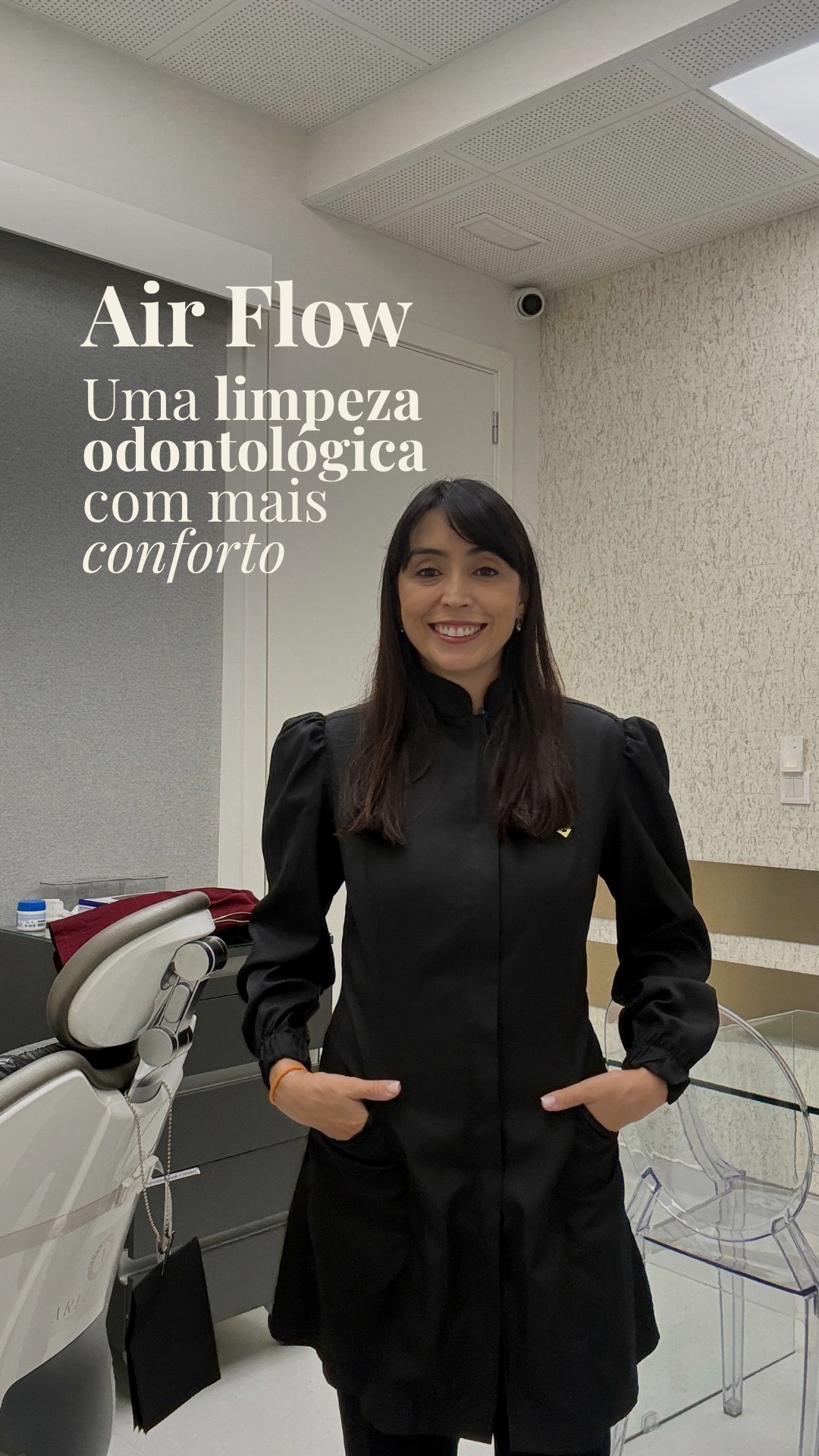
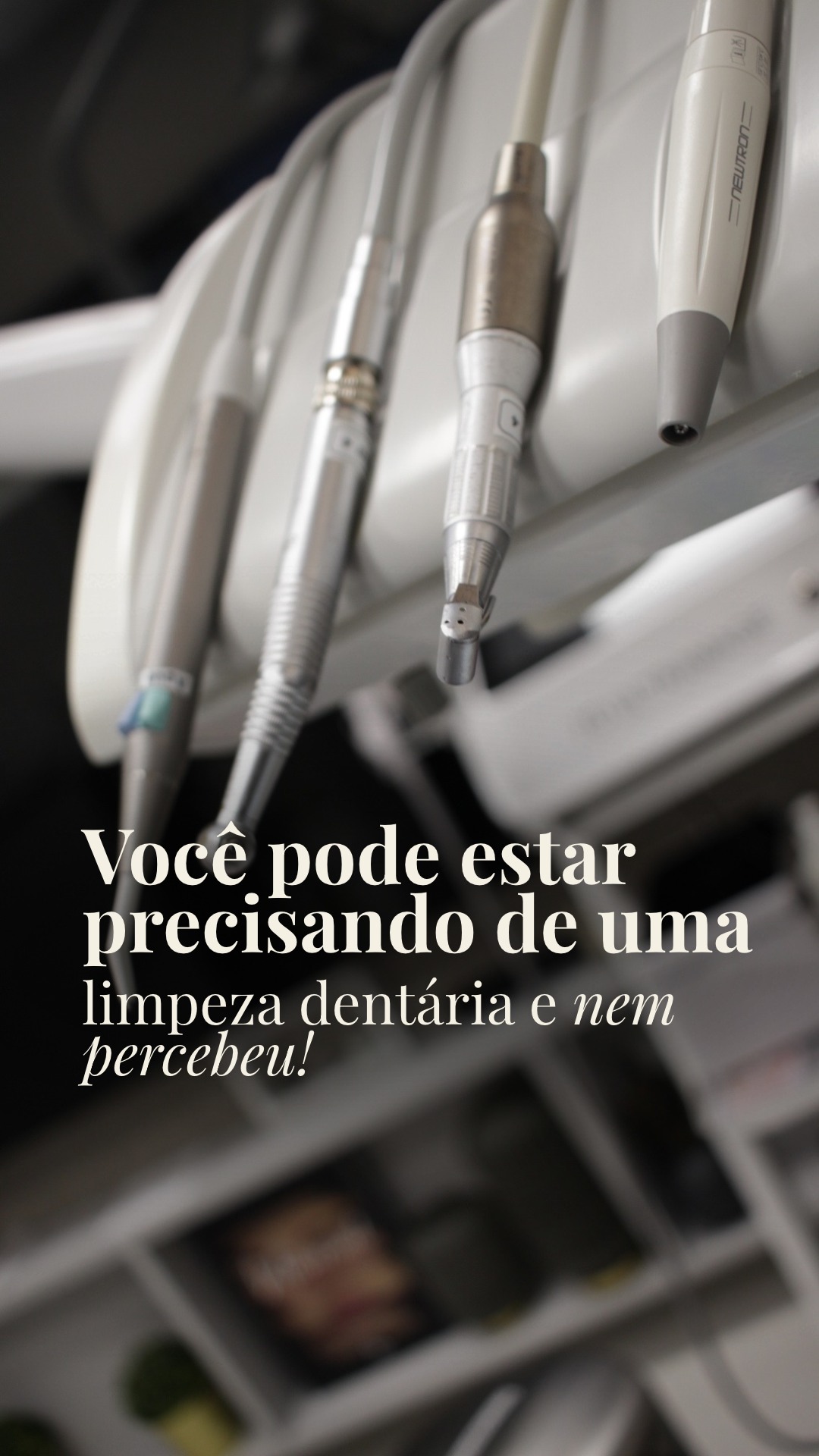
Traditional professional cleaning uses ultrasonic instruments and metal curettes to scrape tartar away. Air Flow works differently: it uses a controlled jet of air, water, and an ultra-fine powder with particles as small as 14 micrometers — small enough to reach below the gumline and into spaces between teeth without any mechanical scraping.
The result is a procedure that is faster, gentler, and far more comfortable than conventional cleaning — especially for people with tooth sensitivity. Because the jet is laminar (a smooth, steady flow), it produces less aerosol and significantly less discomfort. Air Flow is particularly useful for patients with braces, implants, or hard-to-reach posterior teeth. For a closer look at the experience and what to expect from the procedure, this article on Air Flow dental cleaning walks you through it in detail.
Ready to Take Better Care of Your Back Teeth?
If you have been keeping up with brushing and still feel like something is off — or if it has simply been a while since your last professional cleaning — this is a good moment to act. Tartar in hard-to-reach areas does not go away on its own, and the sooner it is addressed, the easier the process.
Book your appointment via WhatsApp and find out whether Air Flow is the right option for you. A single visit can make a noticeable difference in how clean, fresh, and healthy your mouth feels.