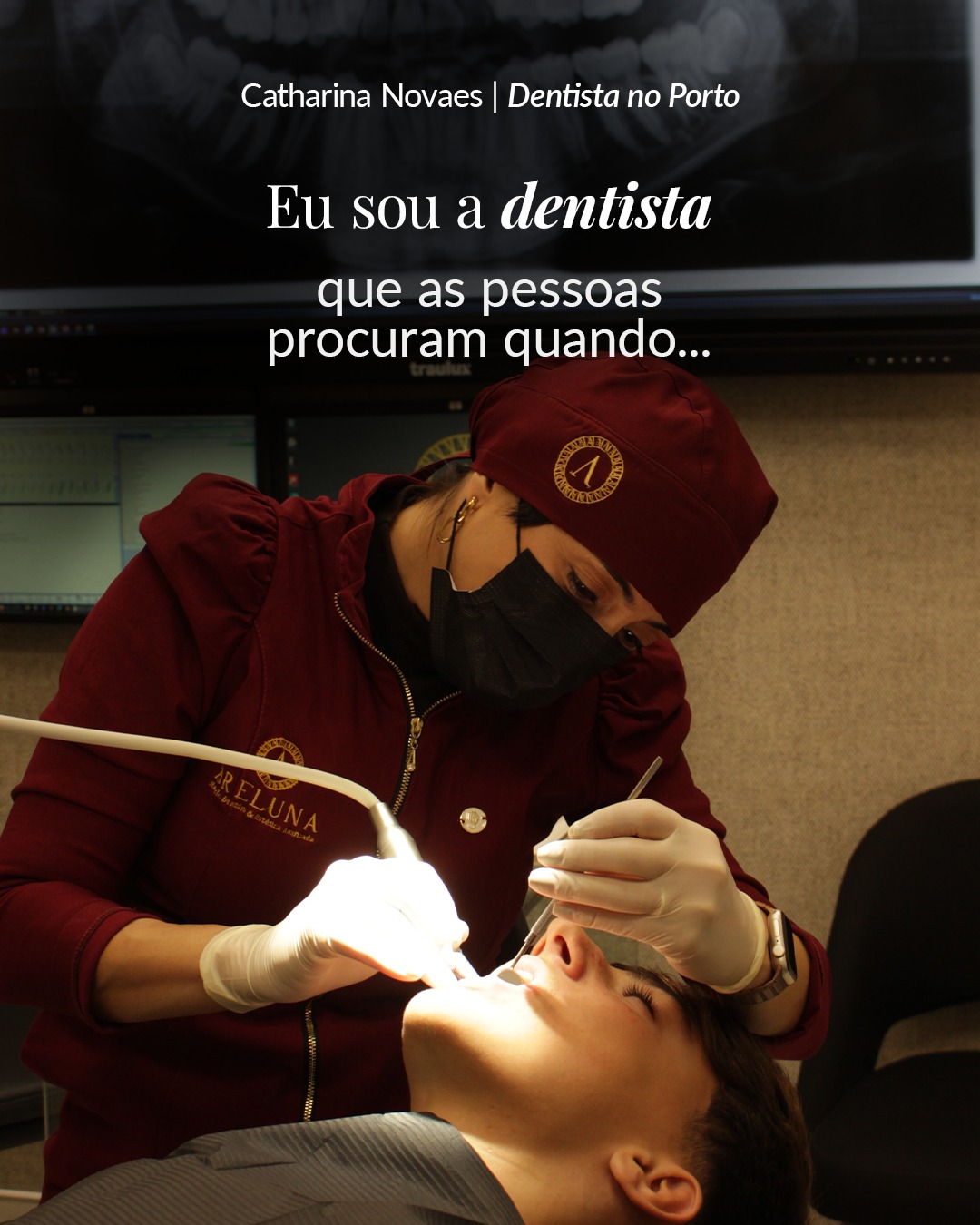
Patience in dental treatment is not just a virtue — it is the foundation of every lasting, beautiful smile. Many people arrive at the clinic eager to transform their teeth as quickly as possible, and that feeling is completely understandable. After all, we live in a world where instant results feel like the norm. Yet in dentistry, as in most things that truly matter, the best outcomes are built step by step, at the right moment.
Why Does Dental Treatment Have So Many Steps?
Every dental treatment follows a logical sequence: assessment, diagnosis, execution, and follow-up. Each phase builds the foundation for the next. Skipping a stage — even with the best of intentions — increases the risk of complications and, ironically, often extends the total treatment time.
Think of it like building a house. A beautiful facade means nothing if the foundation is not solid. In the same way, placing veneers before correcting alignment, or placing an implant without proper bite preparation, may seem like progress at first but can lead to problems that require starting over entirely.
The Real Link Between Expectations and Satisfaction
Research shows that dental anxiety rarely comes from the procedure itself. More often, it stems from uncertainty — not knowing what to expect, or how long a particular step will take. When patients receive clear and honest information from the start, they tend to feel less anxious and more in control of their journey.
Managing expectations is not about convincing someone to accept less than what they want. It is about aligning what is desired with what is realistically possible, in a transparent timeframe and with honest costs. Patients who truly understand the process tend to be more engaged — and ultimately more satisfied — even when the final result is identical to that of someone who was never properly informed.
What Really Happens When You Try to Skip Steps
The temptation to take shortcuts is natural, especially when the goal feels so close. However, many steps in dentistry cannot be rushed, because they depend on biology rather than technique alone.
Bone needs time to integrate around an implant. Gum tissue needs to heal before a final restoration can be placed. Teeth that have shifted over many years require gradual, controlled movement before veneers can be applied with precision. Skipping these biological windows does not save time — it creates a cycle of retreatment that often ends up being longer and more expensive than the original plan would ever have been.
Patience as a Strategic Investment
Reframing patience as an active investment, rather than passive waiting, changes how patients experience their treatment. When each stage is completed at the right moment, the result becomes more predictable, more stable, and more beautiful over the long term.
This is especially true in complex, multidisciplinary cases — such as combining orthodontics with implants, or correcting the bite before cosmetic work. In these situations, the sequence of steps is not administrative paperwork. It is the treatment itself.
For a deeper look at how orthodontic treatment should be completed before cosmetic procedures, this article on orthodontics before cosmetic dentistry explains the reasoning in a practical and easy-to-follow way.
How to Make the Most of Each Stage
Staying patient does not mean staying passive. There are practical ways to make the process feel more manageable and meaningful:
- Ask questions at every appointment. Understanding why each step is happening builds trust and reduces anxiety between visits.
- Notice the small milestones. Progress photos, even taken on your own phone, can reveal how much has already changed between major stages.
- Follow your dentist's guidance carefully. Whether that means wearing a retainer, adjusting your diet, or attending follow-up visits, these details protect everything already done.
- Keep the full picture in mind. A result that remains healthy and beautiful for ten or twenty years is always worth a few extra months of treatment.
What the Evidence Tells Us
According to a study indexed on BVS Saúde and published in the Revista de Odontologia da UNESP, much of the discomfort patients feel before dental procedures comes from anticipation — not from the procedure itself. Clear communication, a calm environment, and realistic guidance from the dentist significantly reduce this anxiety and improve the overall experience.
Furthermore, well-structured dental planning consistently produces better aesthetic and functional outcomes, with a lower risk of retreatment. The evidence points in the same direction every time: getting the sequence right from the beginning saves both time and money in the long run.
Ready to Begin Your Journey?
Patience is not about waiting without knowing why — it is about trusting a process that already knows where it is going. Whether you are just beginning to explore your options or are already partway through a treatment plan, you deserve clear answers and a roadmap you can believe in.
If you have questions about your treatment or would like to understand what your next steps might look like, reach out via WhatsApp. A short conversation can bring a great deal of clarity — and help you move forward with confidence.