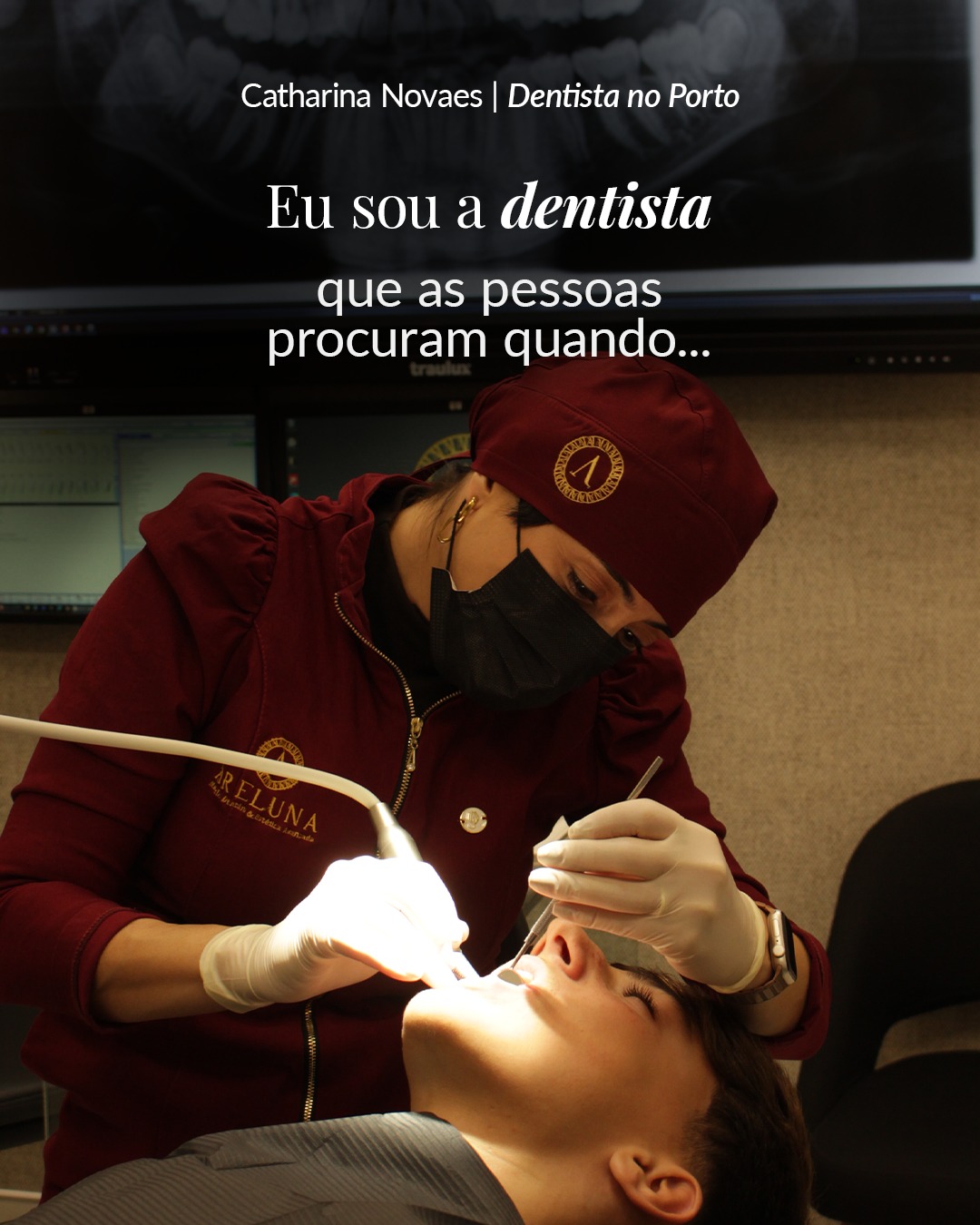
Personalized dental evaluation is the most important step toward a healthier, more confident smile — and yet, it is the one most people keep putting off. Many of us have lived with the same teeth for so long that we simply stop noticing what could be better. We adapt to the way our smile looks, get used to slight discomfort, and gradually begin to think everything is fine.
Why We Stop Noticing Our Own Smile
The human brain is incredibly good at adapting. Over time, you grow used to your own reflection — including the parts of your smile that might need attention. This process, sometimes called the 'normalization effect,' means the longer you live with a dental issue, the less urgent it tends to feel.
However, just because something feels normal does not mean it is healthy. A cavity in its early stage causes no pain at all. Gum disease can develop slowly and silently for years before you notice any bleeding or sensitivity. In many cases, the first real sign of a problem only appears when the damage is already significant.
That is exactly why a professional dental evaluation is so valuable — not to judge you, but to give you a clear, honest picture of where your oral health stands. If you have been wondering whether you might be overlooking warning signs, this article on normalizing dental symptoms explains how easily that happens.
The Real Cost of Waiting
Delaying dental care is one of the most expensive decisions you can make — in both money and quality of life. A small cavity caught early requires only a simple filling. That same cavity, if ignored for months or years, may eventually need a root canal, a crown, or even a full extraction.
According to data from Brazil's National Health Survey (IBGE), around 14 million people have lost all of their teeth — a reality closely linked to years of untreated dental problems. A 2024 survey also revealed that 68% of people visit a dental clinic, yet only 33% actually follow through with any treatment. Furthermore, 55% of people go more than a year without a dental appointment, when the recommended interval is every six months.
These numbers reveal a consistent pattern: many people are aware something is wrong, yet they still delay. The gap between knowing and acting is exactly where small problems grow into large ones.
Your Mouth and Your Overall Health
Here is something that surprises many people: oral health directly affects the rest of your body. According to research from the Universidade de Fortaleza, bacteria present in the mouth can enter the bloodstream and reach the heart, significantly increasing the risk of cardiovascular complications.
Beyond heart health, gum disease (periodontitis) has been associated with a 34% higher risk of cardiovascular events. People with diabetes who have untreated gum disease also tend to have more difficulty managing blood sugar levels. These connections make it clear that dental care is not only about having a nice smile — it is a core part of taking care of your whole body.
Why Your Neighbor's Treatment Won't Work for You
One of the most common reasons people delay getting care is comparison. You hear that a friend paid a lot for orthodontics, or that someone had a painful experience, and you assume the same will happen to you. However, every smile is completely different.
A personalized dental evaluation looks at your specific clinical history, your daily habits, your goals, and your unique anatomy. There is no universal solution in dentistry. The treatment that worked perfectly for someone else may not even be necessary in your case — or your situation might call for a very different approach.
That is precisely why the evaluation itself is the essential starting point. Without it, no one — not even the best dentist — can tell you what your smile truly needs.
Overcoming Fear and Shame
For many people, the biggest barrier to seeking dental care is not time or money — it is fear and shame. Fear of pain, anxiety about what the dentist might find, or embarrassment about the current state of your teeth can all make it easier to simply avoid the appointment.
You are not alone in feeling this way. Studies suggest that emotional barriers like these are among the main reasons people delay dental treatment. Still, going precisely when you feel most worried is often the most important thing you can do. We explore this idea in depth in our article on going to the dentist without judgment.
What to Expect from a Dental Evaluation
A thorough evaluation is much more than a quick glance inside your mouth. It includes a full examination of your teeth and gums, an analysis of your bite, an assessment of your aesthetic and functional goals, and — when needed — X-rays to detect issues not visible to the naked eye.
After the evaluation, you leave with clarity about three key things: what needs treatment, what can be improved, and what is already healthy. That knowledge alone is powerful. It allows you to make informed, confident decisions and invest in solutions that are genuinely right for you.
Take the First Step Today
The hardest part is not the treatment — it is making the appointment. Once you have a clear diagnosis, every decision that follows becomes simpler and less stressful.
If you have been putting off a dental visit, now is the right time to change that. Reach out via WhatsApp and schedule your personalized dental evaluation. There is no pressure, no judgment — just a clear, compassionate path forward, tailored specifically to your smile.