Sugar frequency and tooth decay are more closely linked than most people realize — and the connection might completely change how you think about your daily habits and oral health.
Most of us grew up believing that cavities come from eating too much sugar. The real story, however, is quite different. Research shows that how often you eat sugar throughout the day matters far more than the total amount you consume. A single sweet treat at lunch can be far less damaging than several small sugary snacks spread across the afternoon. Understanding this distinction could be the most important thing you do for your teeth.
What Actually Happens Inside Your Mouth
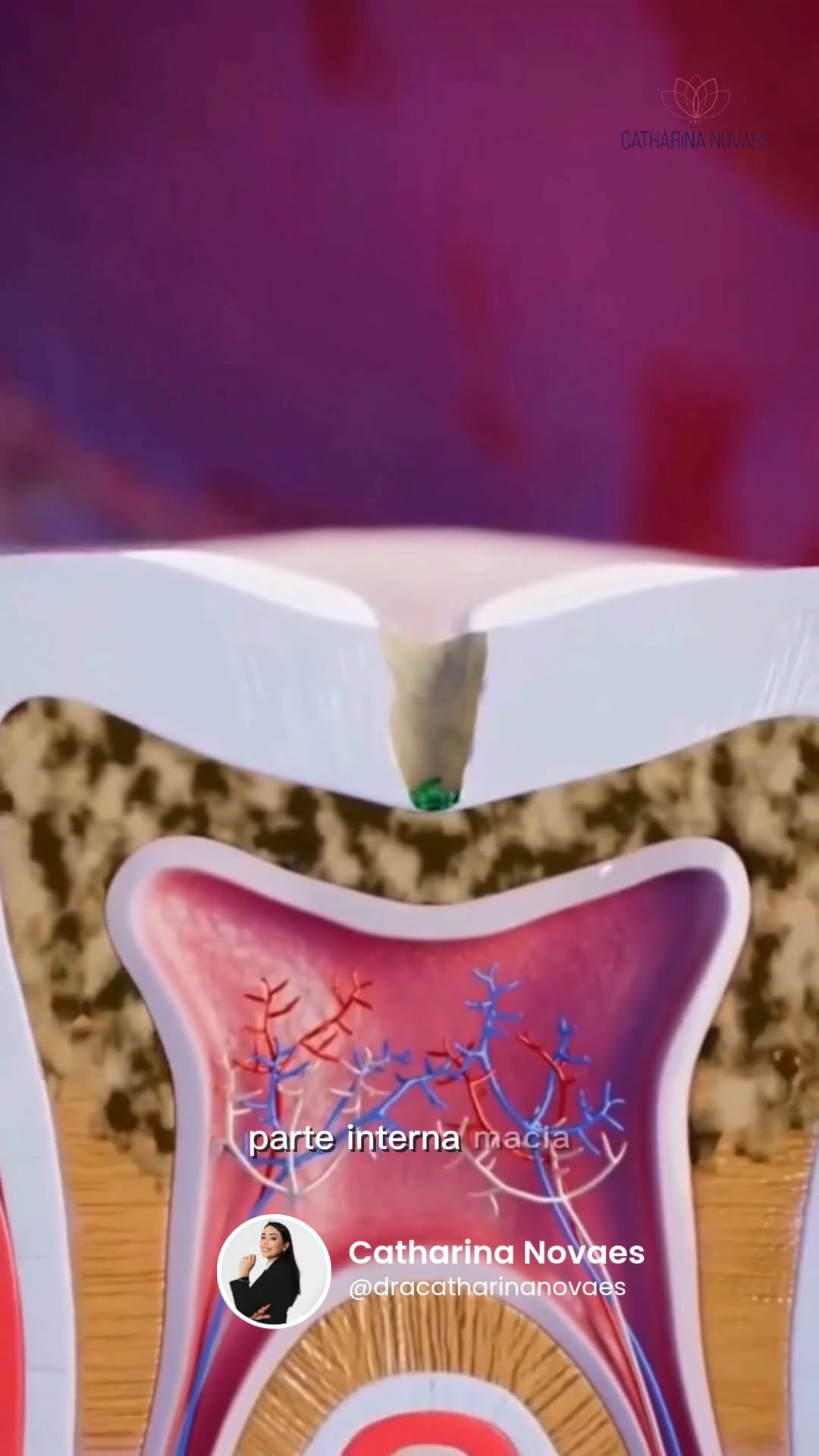
Every time you eat or drink something sweet, bacteria naturally present in your mouth feed on those sugars and produce acid. This acid lowers the pH in the thin layer of bacteria covering your teeth — called the biofilm — to dangerous levels. When the pH drops below 5.5, the hard outer surface of your enamel starts to dissolve in a process called demineralization.
Fortunately, your body has a built-in defense system. Saliva gradually neutralizes the acid and helps restore lost minerals back into your enamel. The catch is that this recovery process takes between 20 and 40 minutes. If you eat or drink something sugary again before that window closes, the acid attack restarts from zero.
Frequency vs. Quantity: The Key Distinction
The most important concept in modern dentistry is not how much sugar you eat — it is how often your teeth are exposed to it. Research published in peer-reviewed journals, including a study on sugar consumption and cavity rates, confirms that children and adults who consume sugar four to six times a day develop cavities significantly faster than those who eat the same total amount concentrated at mealtimes. This aligns with the landmark Vipeholm study findings: groups with frequent sugar exposure developed cavities two to three times faster than those who limited sugar to mealtimes.
Think of it this way: your saliva is constantly making deposits into your enamel's mineral account. Every sugar exposure makes a withdrawal. When withdrawals happen repeatedly throughout the day, the account never recovers, and the balance slowly drops toward zero. One sweet at dessert is a single withdrawal with plenty of time for recovery. Eight sweetened coffees spread across the day, however, are eight withdrawals with almost no recovery time in between.
The Reversibility Window You Don't Know About
Tooth decay does not begin as a hole. It starts as a white spot — a sign that the enamel has lost minerals but has not yet broken down structurally. At this early stage, the damage is completely reversible. Saliva and fluoride working together can rebuild the enamel and restore it fully, without any clinical intervention.
Once a cavity actually forms, there is no going back without a dentist. The tricky part is that this shift from reversible to irreversible happens in complete silence, with no pain and no visible warning. By the time you feel discomfort, the window for natural recovery has long closed. This is precisely why early detection matters so much — waiting for symptoms is never the right strategy.
Why Brushing Alone Is Not Enough
Brushing your teeth is essential, but it only removes the biofilm that already exists at that specific moment. If your eating habits keep feeding new acid cycles throughout the day, bacteria re-establish themselves between every brushing session.
Consider this comparison: brushing three times a day while drinking eight sweetened coffees is like sweeping the floor while the window stays open during a storm. The floor keeps getting dirty faster than you can clean it. Effective cavity prevention requires two things working together — mechanical removal of the biofilm through brushing and flossing, plus dietary control of how often your teeth encounter fermentable sugars. One without the other leaves half the problem completely unsolved. For a deeper look at building a complete daily routine, read our 3-step oral hygiene guide.
The Modern Snacking Trap
Contemporary eating habits are, without most people realizing it, structurally harmful to teeth. The constant grazing culture — snacks between meals, sugary drinks throughout the day, a biscuit here, a fruit juice there — keeps the mouth in a near-permanent state of acid attack.
Each cup of sweetened coffee, each glass of natural juice, and each cracker eaten between meals resets the acid clock. Meanwhile, mealtimes are actually the safest moments to have something sweet. During meals, saliva production is at its peak, buffering capacity is strongest, and pH recovery happens alongside normal digestion. As a result, a chocolate after lunch is chemically less damaging than the same chocolate eaten alone at 4 PM.
A Simple Protocol to Protect Your Teeth
The good news is that small, realistic changes in timing can make a significant difference. You do not need to eliminate sugar entirely — you need to manage when and how it enters your day.
Here are three habits that reduce acid exposure without demanding a complete diet overhaul:
Concentrate sugar at mealtimes. If you want something sweet, have it as part of a meal rather than as a standalone snack. The buffering effect of mealtime saliva gives your teeth the best chance of recovering quickly.
Create sugar-free windows between meals. Try to avoid fermentable carbohydrates — biscuits, fruit juices, sweets, and sweetened drinks — between your main meals. Water and plain unsweetened options are safe during these windows.
Drink water after sweet foods or drinks. Water helps rinse residual sugars and raises the pH faster, shortening the duration of each acid attack.
These changes, combined with consistent brushing and flossing, create the conditions your saliva needs to do its protective work.
Take the Next Step
If you cannot remember your last dental check-up, now is the right time to schedule one. White-spot lesions — the earliest stage of decay — are invisible to the untrained eye and completely painless. A clinical assessment can detect them before they become cavities, and at that stage, no drilling is required. Prevention is always less costly, less invasive, and less uncomfortable than treatment.
Ready to find out exactly where your teeth stand? Reach out on WhatsApp and book your evaluation today. If decay is still in its early, reversible phase, we can stop it — without a single drill.
Frequently asked questions
Does how often I eat sugar matter more than how much?
Yes. Research shows that how often you eat sugar throughout the day matters far more than the total amount. People who consume sugar four to six times a day develop cavities significantly faster than those eating the same total amount at mealtimes. The landmark Vipeholm study found frequent sugar exposure led to cavities two to three times faster.
What happens inside my mouth when I eat something sweet?
Bacteria naturally present in your mouth feed on the sugars and produce acid, lowering the pH in the biofilm covering your teeth. When the pH drops below 5.5, the enamel starts to dissolve in a process called demineralization. Saliva then neutralizes the acid and restores lost minerals, but this recovery takes 20 to 40 minutes.
Why is snacking on sweets throughout the day so harmful?
Because each sugar exposure restarts the acid attack before saliva can finish restoring minerals. Think of saliva as making deposits into your enamel's mineral account and every sugar exposure as a withdrawal. One dessert is a single withdrawal with time to recover; eight sweetened coffees across the day are eight withdrawals with almost no recovery.
How long does my mouth need to recover after eating sugar?
Saliva's recovery process takes between 20 and 40 minutes after each sugar exposure. During that window it neutralizes the acid and helps restore lost minerals back into the enamel. If you eat or drink something sugary again before that window closes, the acid attack restarts from zero and the enamel cannot fully recover.