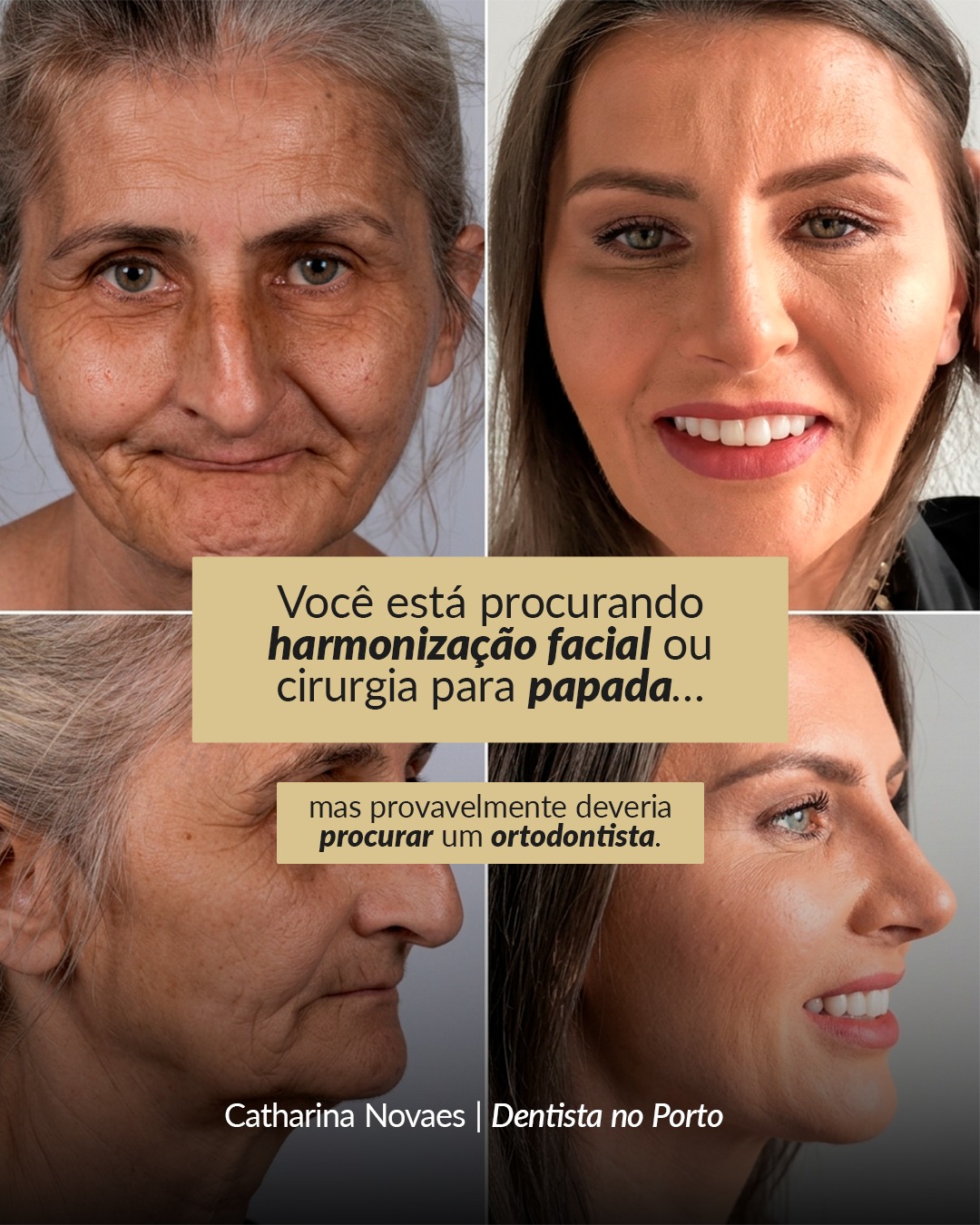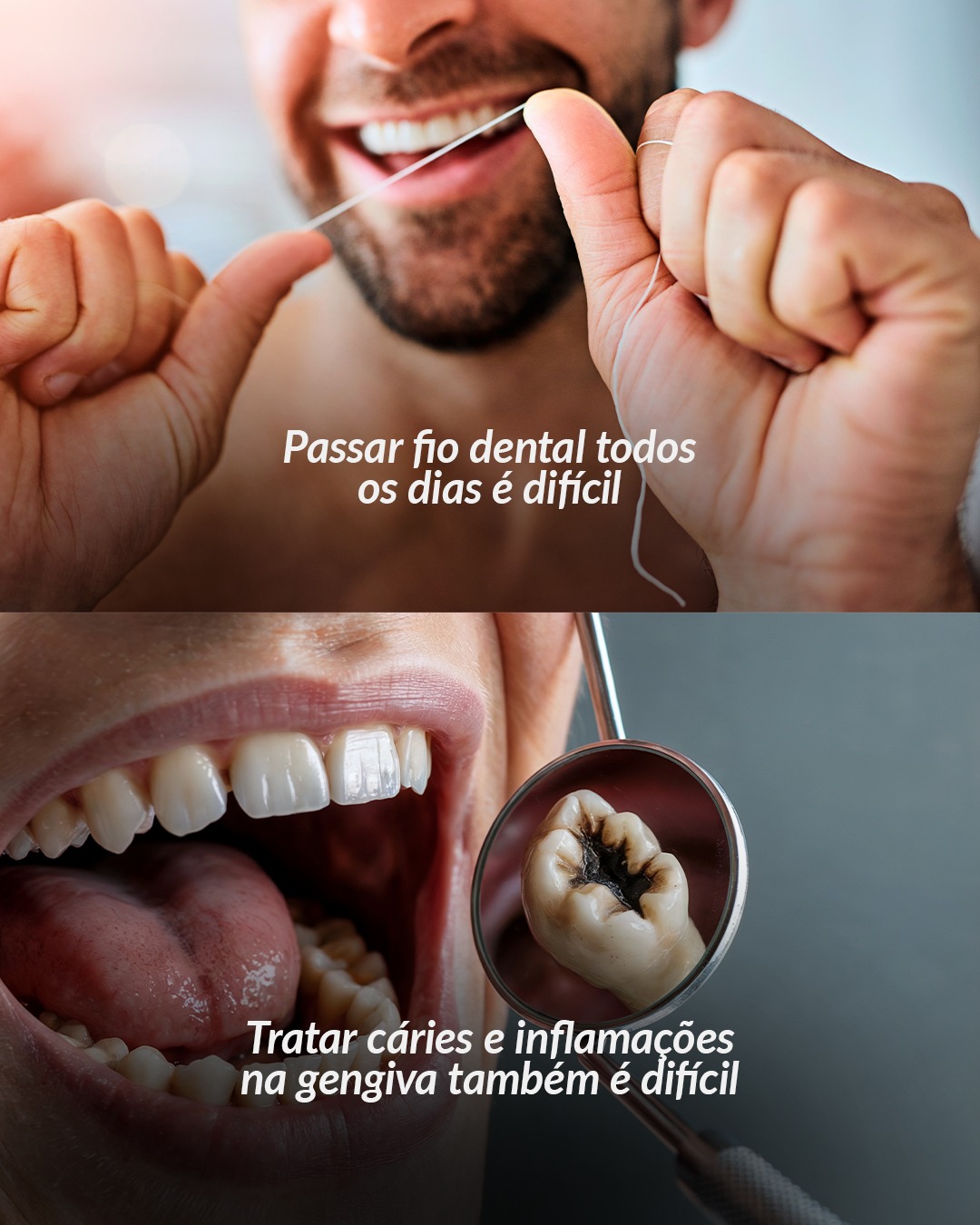
Common orthodontic myths shape the decisions of millions of patients every year — and most of them have no scientific basis. Whether passed on by a well-meaning friend, a worried parent, or a viral social media post, these beliefs can delay treatment, create unnecessary fear, and prevent people from achieving the smile they deserve. In this article, we break down the most persistent misconceptions about orthodontic treatment and explain what the science actually says.
Where Do Orthodontic Myths Come From?
Many misconceptions about braces and aligners originate from outdated experiences. Decades ago, orthodontic technology was far less comfortable and precise than it is today. Moreover, informal channels — family conversations, school hallways, neighbourhood chats — carry health information without any scientific filter. A single negative experience gets retold, slightly altered, and amplified until it sounds like an absolute rule.
The result is a cloud of beliefs that feel like facts but lack any evidence behind them. Understanding where these ideas come from is the first step toward clearing them away.
"Braces Are Only for Teenagers"
This is one of the most widespread misconceptions in dentistry. In reality, orthodontic treatment is suitable for patients of all ages. Adults represent one of the fastest-growing groups seeking orthodontic care, often through discreet options like clear aligners. The biology of tooth movement works the same regardless of your age — what changes are the treatment goals and, sometimes, the techniques used. If you are wondering about timing, our article on the best time for orthodontic treatment explores this in depth.
"Orthodontic Treatment Always Causes Intense Pain"
Discomfort during the first few days after an adjustment is normal, but it is temporary and manageable. Modern appliances are designed to apply gentle, controlled forces. Most patients describe a mild pressure sensation rather than dramatic pain. Furthermore, over-the-counter pain relief is usually enough to ease any discomfort during the adjustment period.
"Your Teeth Will Always Shift Back"
This concern is understandable — but it only applies when the retention phase is neglected. After active treatment ends, wearing a retainer as prescribed is essential to maintain results. Retention is a built-in part of the treatment plan, not an optional extra. When patients follow the retention protocol correctly, results can last a lifetime. For a closer look at this topic, our article on teeth shifting after braces goes into more detail.
"Braces Cause Jaw Problems"
Scientific evidence does not support this belief. A review presented at the Portuguese Dental Association Congress confirms that orthodontic treatment is not a predisposing factor for the onset or worsening of temporomandibular disorders (TMD). This myth has unfortunately caused many patients to avoid necessary treatment based on a fear that lacks any scientific grounding.
"Braces Stain Your Teeth"
Braces themselves do not stain teeth. However, inadequate oral hygiene during treatment can lead to white spot lesions or discolouration around the brackets. This is a hygiene issue, not a consequence of the appliance. With proper brushing, interdental cleaning, and regular professional check-ups, your enamel can stay healthy throughout the entire treatment.
Evidence-Based Orthodontics: Science Behind Every Step
Evidence-based dentistry integrates three pillars: the best available scientific research, the clinical experience of the professional, and the values and needs of the patient. This approach is what distinguishes responsible clinical practice from advice passed along informally between friends and family.
Systematic reviews and controlled clinical trials sit at the top of the evidence hierarchy. These are the sources that guide how orthodontists plan treatments, choose appliances, and manage each stage of care. When your orthodontist explains why a specific procedure is recommended — not just what it involves — they are practising transparent, science-based care.
Why Being Informed Leads to Better Results
Research published in the Brazilian Journal of Orthodontics confirms that well-instructed patients show greater adherence to treatment, fewer complications, and superior clinical outcomes. Patients who understand the reasons behind each step are more likely to follow instructions correctly, maintain better oral hygiene, and develop realistic expectations. Additionally, informed patients tend to wear their retainers consistently, which directly protects the long-term result.
Being informed is not just a nice-to-have quality — it is a measurable factor in treatment success. When you understand the process, you feel more confident in your decisions and more comfortable asking questions at every appointment. If you are curious about how this kind of honest, caring approach works in practice, our post on empathy in dental care explores this further.
Questions to Ask at Your First Orthodontic Consultation
Going into your first appointment prepared makes a real difference. Here are some questions worth asking:
- What is causing my misalignment, and why does it need to be corrected?
- Which treatment option is best for my specific case, and why?
- How long will the active phase last, and what does retention involve?
- What can I expect in terms of discomfort, and how should I manage it?
- How will my oral hygiene routine need to change during treatment?
Asking these questions signals that you are ready to be an active partner in your own health journey. It also gives your orthodontist a chance to address any myths you may have encountered along the way.
Ready to Get the Facts?
You deserve clear, accurate information before making any decision about your smile. If something you heard about orthodontics has been holding you back, the best next step is a direct conversation with a specialist who takes the time to explain things honestly.
Reach out via WhatsApp — share your questions, your concerns, and anything you have heard that you are not quite sure about. We are here to help: Talk to us on WhatsApp.