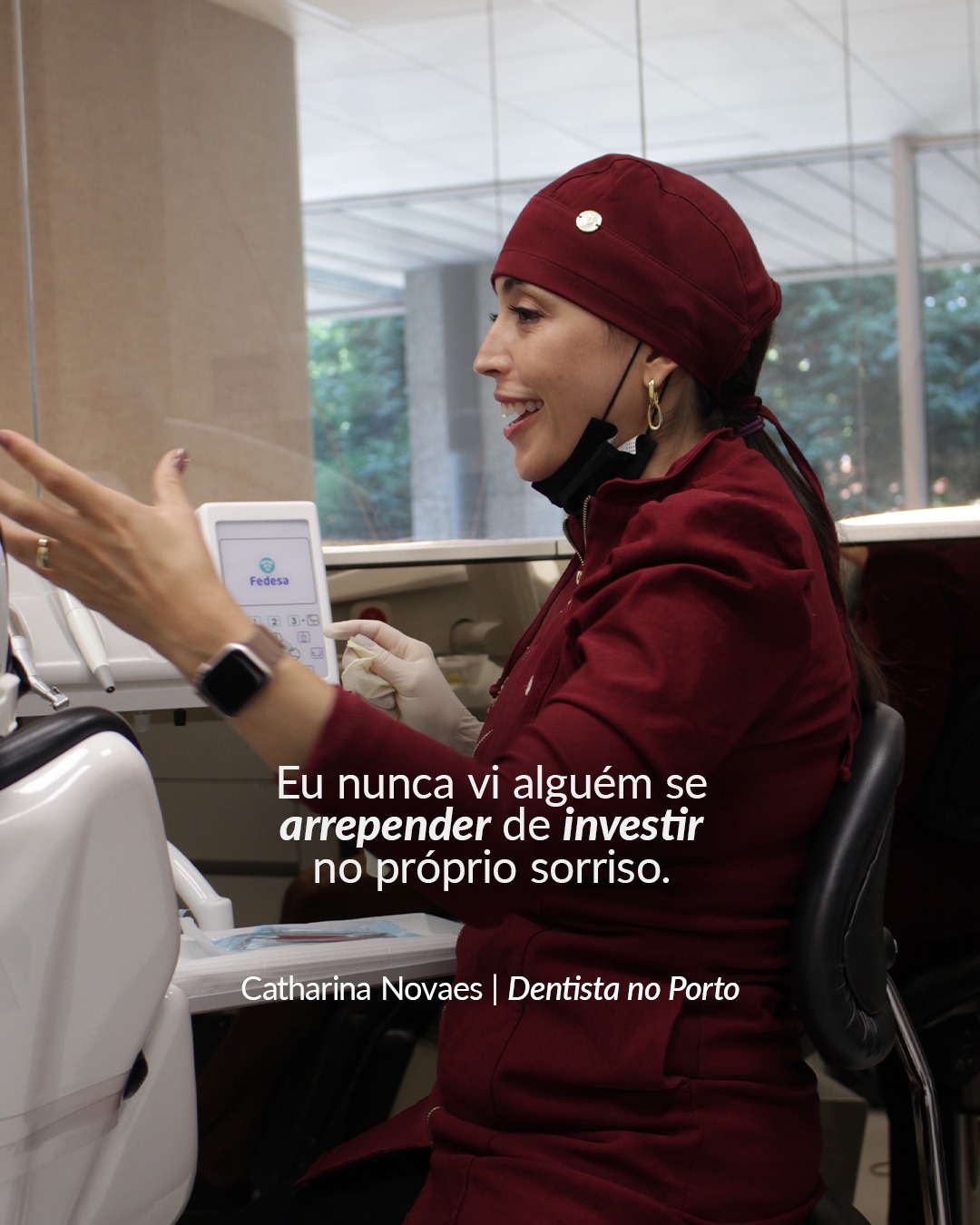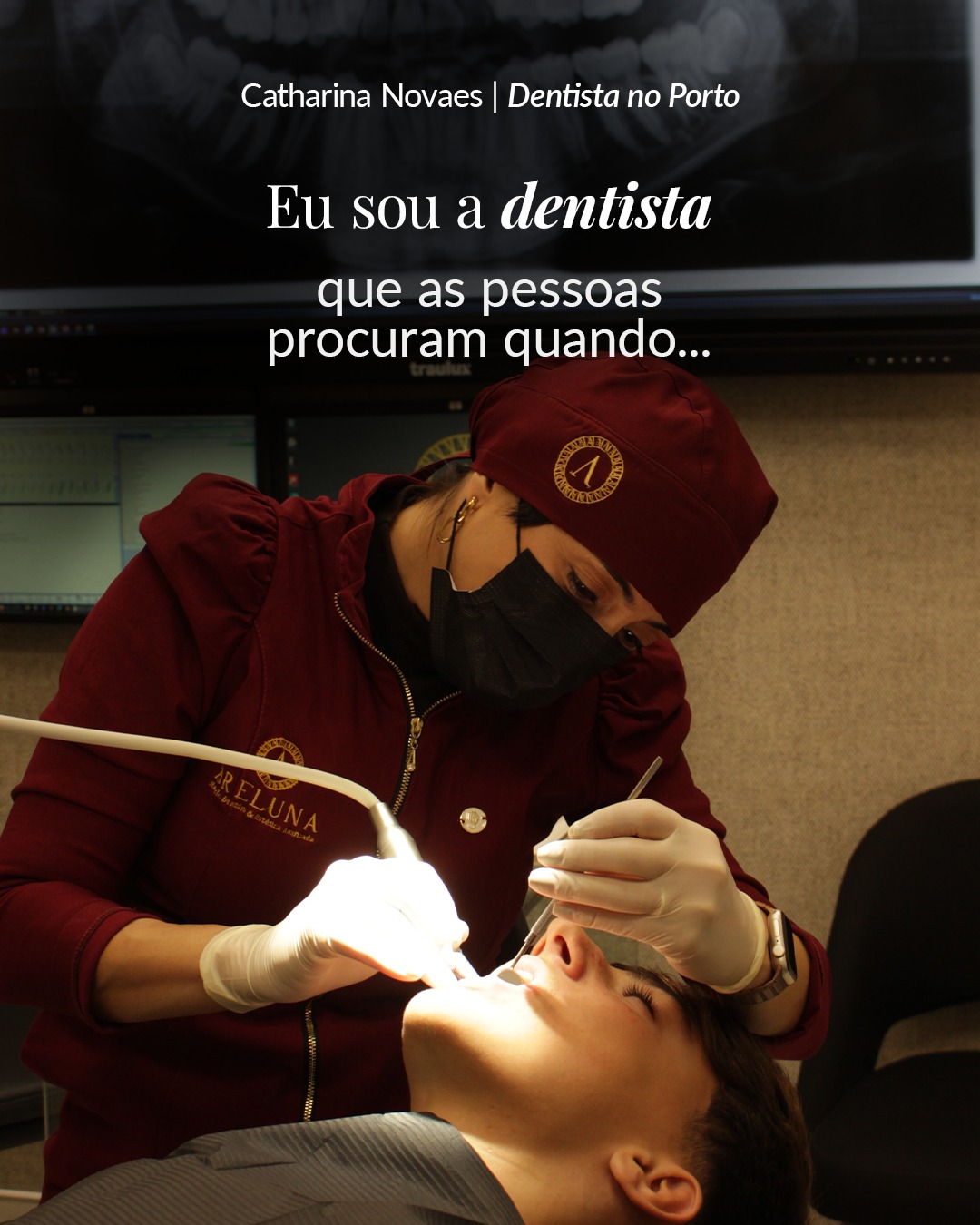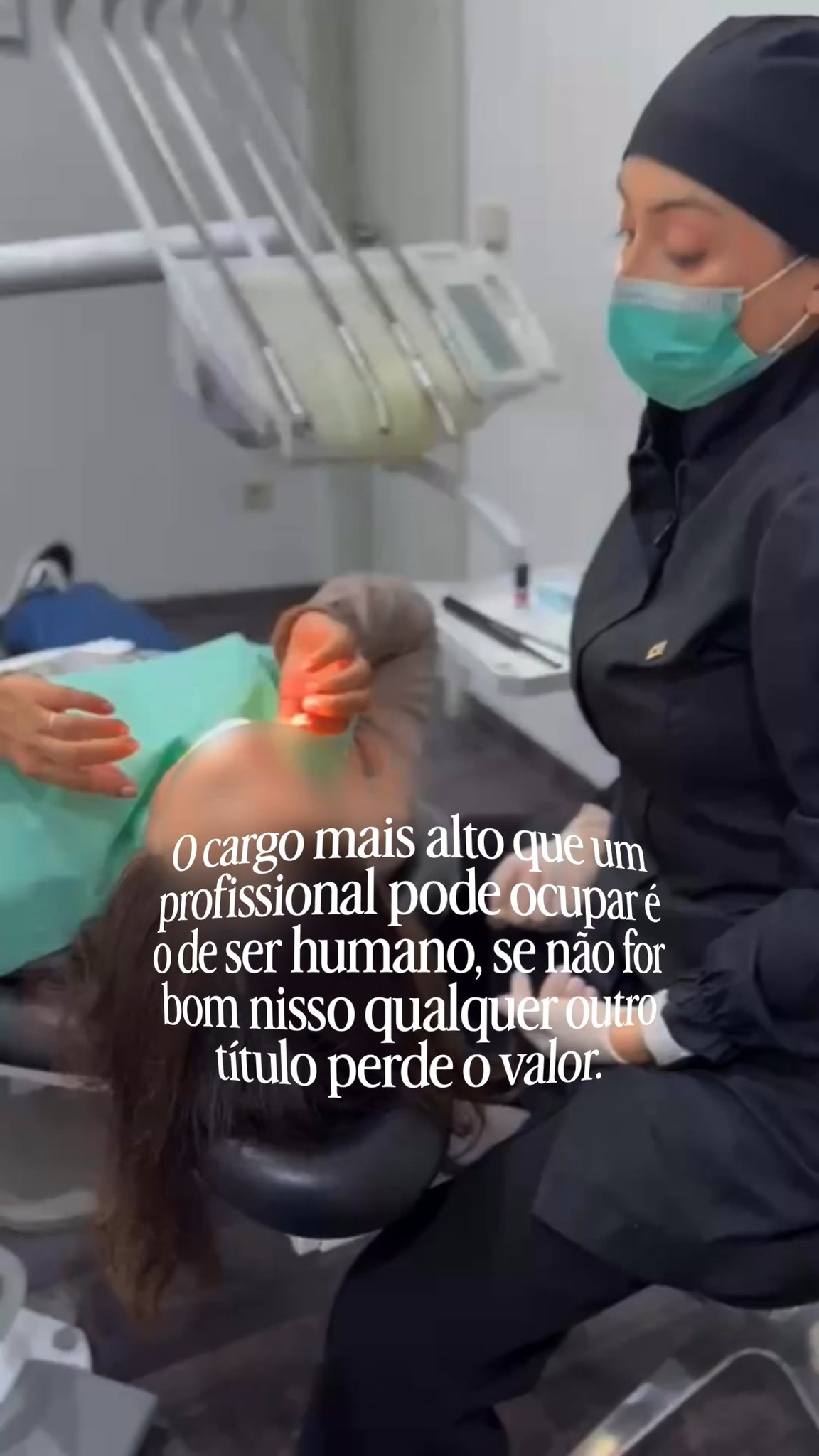
Empathy in dental care is one of the most powerful — and most underestimated — forces in the treatment room. Technical knowledge can be studied, tested, and continuously updated. Yet there is a dimension of healthcare that no course fully teaches: the capacity to see each patient as a complete human being, carrying their own history, fears, and hopes into every appointment.
When Skill Alone Is Not Enough
Clinical excellence is, of course, essential. Every dental professional invests years in learning procedures, understanding anatomy, and keeping pace with evolving techniques. That commitment never stops — nor should it.
However, technical skill and genuine human connection serve different needs. A procedure performed flawlessly but without warmth or real attentiveness can still leave a patient feeling unheard and reluctant to return. Research from Brazil's Fiocruz Institute has highlighted a concerning pattern: empathy tends to decrease during professional training — suggesting that as providers become more technically refined, they may need to work more deliberately to cultivate their human side.
Seeing the Person, Not Just the Case
The biopsychosocial model of healthcare — well established in scientific literature — recognizes that wellbeing is shaped by far more than physical condition. Each patient brings a full life story into the chair: past dental experiences, personal anxieties, practical constraints, and unspoken expectations.
Taking the time to understand that context is not a luxury. When a professional notices that someone is tense and gently asks why, or pauses to explain a procedure in plain language before beginning, something shifts in the room. Trust builds. And that trust — not the procedure itself — is often what determines whether a patient returns for care.
What Patients Actually Remember
There is a truth that experienced clinicians tend to learn over time: patients may not recall the specific technique used or the materials chosen, but they will carry for years the memory of how they were treated. This observation is supported by a growing body of research on patient experience and clinical outcomes.
The emotional quality of a consultation has real, practical consequences. Patients who feel genuinely respected are more likely to follow through with their treatment plan, communicate openly about concerns, and maintain consistent oral health habits. In other words, empathy does not sit beside clinical quality — it actively contributes to it.
As explored in our post about smile transformation and patient confidence, the emotional experience of treatment shapes outcomes in ways that go well beyond what happens in the chair.
Empathy as a Skill You Can Build
One of the most important shifts in modern healthcare thinking is the recognition that empathy is not a fixed personality trait. It is a competency — something that can be intentionally developed throughout an entire career.
Brazil's Federal Council of Medicine (CFM) has affirmed that communication, empathy, and compassion will remain indispensable attributes for health professionals, even as technology continues to reshape clinical practice. These are the qualities that distinguish human care from automated processes. Treating empathy as a learnable skill — rather than something you either have or lack — means it becomes part of ongoing professional development, not a fixed trait.
Small Practices, Lasting Impact
Humanized care does not require grand gestures. Most often, it lives in small, consistent choices made every single day:
- Listening before diagnosing. Understanding what brought the patient in — including how they feel about it — not just the clinical complaint.
- Acknowledging discomfort honestly. Saying "this might feel a little uncomfortable for a moment" is more respectful than silence.
- Explaining in plain language. Making sure the patient understands what will happen, why, and what to expect afterward.
- Remembering previous conversations. Noticing details from past appointments shows that the person matters, not just their file.
- Being fully present. Giving complete, undivided attention communicates respect more clearly than any script ever could.
These habits, practiced consistently, build something no certificate can replace: a patient who trusts you completely.
A Commitment Worth Making
The goal of practicing dentistry with both clinical excellence and genuine humanity is not idealism — it is, in fact, what the best care looks like. As the Universidade de São Paulo's Faculty of Medicine has noted, clinical effectiveness comes not only from technical learning, but from the alignment between practice and the professional's core values. The best care integrates both, always.
At this clinic, every appointment is guided by the belief that each person deserves to be truly seen — not just treated. If you have been hesitant to seek dental care because of a past experience that felt rushed or indifferent, we invite you to experience something different.
Reach out via WhatsApp at +351 926 533 304 and take the first step toward care that genuinely listens.