The best time for orthodontic treatment is not some distant future milestone — it is right now. Many patients arrive at the clinic having waited years, convinced that the right moment would eventually come. Every month of delay, however, is a month where the problem quietly develops.
Orthodontics Is About Function, Not Just Appearance
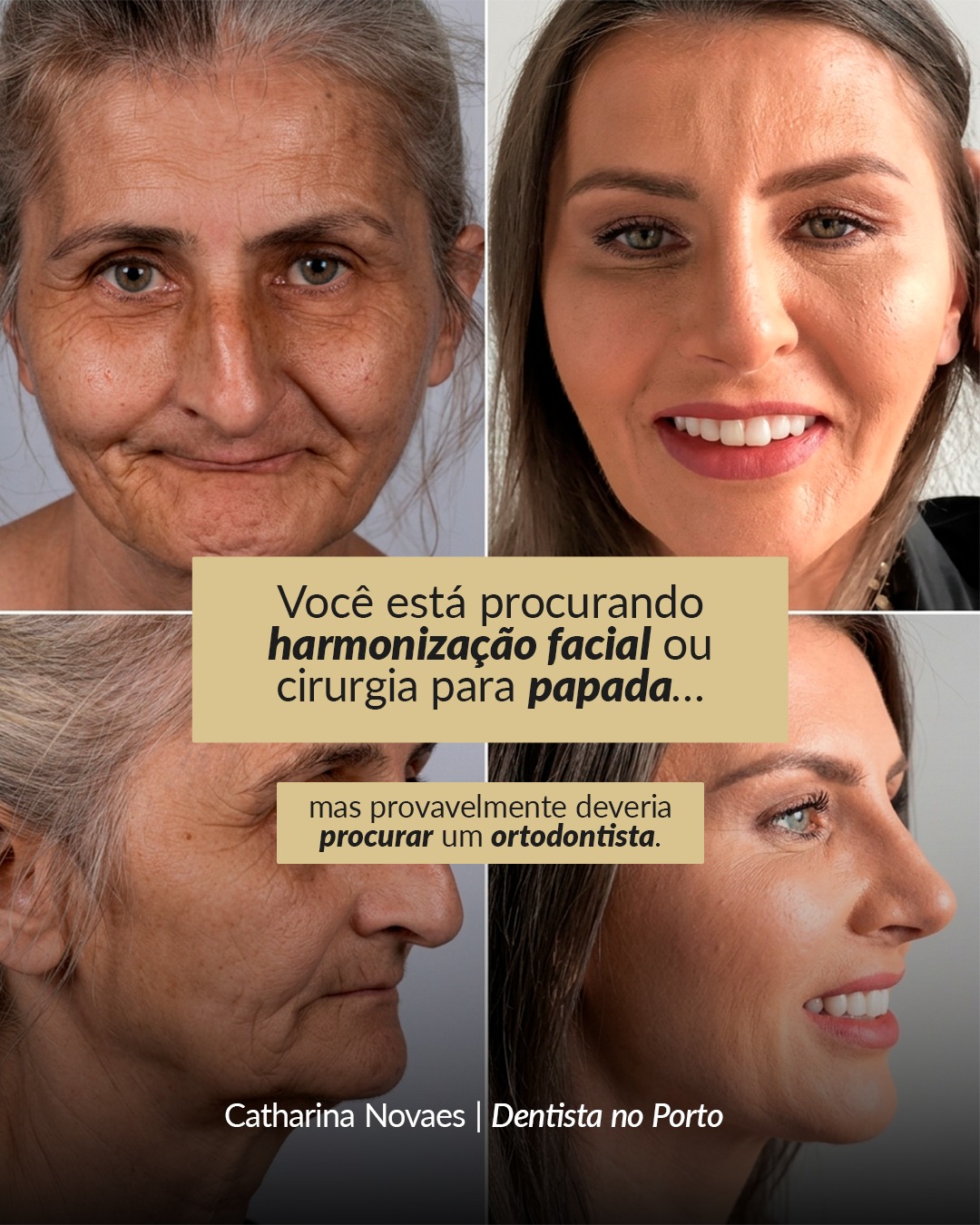
Most people associate braces or aligners with aesthetics. In reality, orthodontic treatment goes much deeper than a straighter smile. Misaligned teeth affect how you chew, how your jaw works, and even your digestive health.
Research published in the Dental Press Journal of Orthodontics demonstrated that patients who corrected malocclusions significantly improved their chewing performance. After treatment, their ability to break down food reached the same level as people with naturally aligned teeth. This means that a well-aligned bite is not just about looking good — it directly affects nutrition and digestion.
Beyond chewing, misaligned teeth place extra stress on the temporomandibular joint (TMJ). Over time, that pressure can lead to jaw pain, headaches, and discomfort when opening or closing the mouth.
The Window of Opportunity That Closes Over Time
One of the most important concepts in orthodontics is the treatment window. During childhood and adolescence, the facial bones are still growing and responding naturally to gentle guidance. Corrections that take a few months in a child might require years of effort — or even surgery — in an adult.
Interceptive orthodontics acts during this active growth phase to guide bone development and prevent problems from becoming structural. Starting early is not about rushing; it is about acting when the body is most receptive. As a result, early treatment often means simpler procedures, shorter timelines, and more stable long-term outcomes.
Adults absolutely benefit from orthodontic treatment too. Nevertheless, biology gives a clear advantage to those who act while the bones are still adapting.
The Real Cost of Waiting
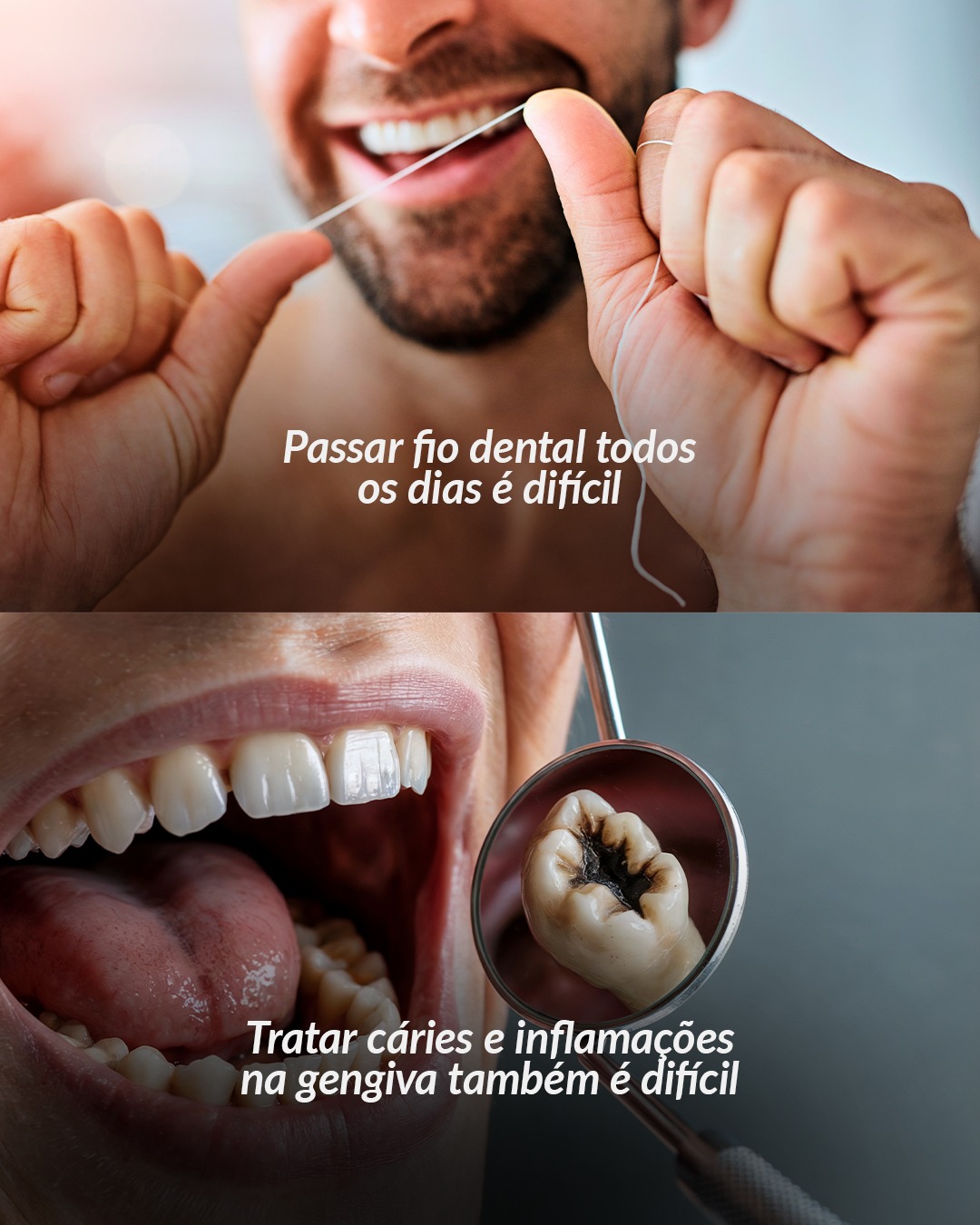
Delaying orthodontic care rarely saves time or money. Instead, the opposite tends to happen. A mild crowding issue left untreated can make thorough cleaning nearly impossible — leading to plaque build-up, gum disease, and eventually tooth loss.
Think of it like a small crack in a house wall. At first, it looks minor and easy to fix. Leave it for five years, and what seemed like a simple repair becomes a full structural renovation. The same applies to your teeth: what might have been a straightforward orthodontic case can escalate into the need for tooth extractions or even jaw surgery.
The financial and physical burden of waiting is both predictable and completely avoidable.
Oral Health Connects to the Whole Body
The mouth does not exist in isolation from the rest of the body. Misaligned teeth that are difficult to clean allow bacteria to accumulate, which can enter the bloodstream and contribute to inflammation in other areas. Research has linked poor oral health to cardiovascular risks and respiratory issues in cases of severe malocclusion affecting breathing patterns.
On the emotional side, the way teeth look and function directly affects confidence, speech, and social comfort. Improving dental alignment has a measurable impact on self-esteem — not just on outward appearance.
You Do Not Need Pain to Seek Help
A common misconception is that orthodontic problems only require attention when they are painful or very visible. In reality, many significant issues develop without obvious symptoms. Worn tooth enamel, subtle jaw discomfort, or simply noticing that your bite feels slightly off are all signs worth addressing.
The signals are usually present long before people decide to act on them. If you have noticed something feels different when you bite, chew, or smile, that awareness alone is enough reason to book an evaluation. Learn to recognise early warning signs before they grow into bigger problems.
Why Adults Keep Waiting — And Why It Matters
Adults tend to delay orthodontic treatment more often than any other age group. Work schedules, cost concerns, and the false belief that "it is too late" keep many people from seeking help they genuinely need. However, modern options like clear aligners make treatment more discreet, comfortable, and compatible with adult life than ever before.
If you recognise yourself in this pattern, you are not alone — and it is never too late to start. The only factor that makes any option less effective over time is continued inaction.
Take the First Step — Today
An initial evaluation typically takes around 30 minutes. During that appointment, a specialist can identify existing problems, assess risk factors, and outline what treatment would involve — including the timeline, options, and expected outcomes.
Whether you are considering treatment for yourself or your child, the first step is simply showing up. Every journey in orthodontics begins with a single conversation.
At Dra. Catharina Novaes Orthodontics in Porto, the team is ready to help — without pressure, without judgment, with complete clarity.
Ready to take that step? Chat with us directly on WhatsApp and schedule your evaluation today.
Because the best time was five years ago. The second best time is today.
Frequently asked questions
Is orthodontic treatment only about appearance?
No. It goes much deeper than a straighter smile. Misaligned teeth affect how you chew, how your jaw works and even your digestive health. Research showed that correcting malocclusions improved chewing performance to the level of naturally aligned teeth. Misaligned teeth also place extra stress on the temporomandibular joint, which over time can cause jaw pain and headaches.
Is it ever too late to start orthodontic treatment as an adult?
No, it is never too late, and adults absolutely benefit from treatment. Modern options like clear aligners make it discreet, comfortable and compatible with adult life. That said, biology gives an advantage to those who act while the facial bones are still adapting, during childhood and adolescence. The only thing that reduces effectiveness over time is continued inaction.
Do I need to be in pain before seeing an orthodontist?
No. A common misconception is that orthodontic problems only need attention when painful or very visible, but many significant issues develop without obvious symptoms. Worn enamel, subtle jaw discomfort, or simply noticing your bite feels slightly off are all signs worth addressing. That awareness alone is enough reason to book an evaluation.
What happens during a first orthodontic evaluation?
An initial evaluation typically takes around 30 minutes. During that appointment, a specialist can identify existing problems, assess risk factors, and outline what treatment would involve, including the timeline, options and expected outcomes. Whether for yourself or your child, the first step is simply showing up, without pressure or judgment.