Early orthodontic intervention is one of the most powerful — and most overlooked — tools for protecting your child's long-term dental health. Most parents assume that orthodontic treatment belongs to the teenage years, after all the permanent teeth have come in. However, waiting that long can mean missing a crucial window when treatment is simpler, faster, and far less invasive.
The Growth Window: Why Timing Changes Everything
Between the ages of 6 and 12, children's jaws and facial bones are still developing. During this period, bone tissue has a natural flexibility that allows an orthodontist to gently guide growth in the right direction. By around age 11 or 12, however, most facial bones are already formed — and the window begins to close.
A scientific review published in the Research, Society and Development journal (Mendes et al., 2023) confirms that early orthodontic interventions produce greater benefits with lower biological and financial cost than those carried out after growth is complete. In short: acting during the growth phase is not just easier — it is significantly more effective.
The Age-7 Evaluation: What It Is (and What It Isn't)
Most orthodontic guidelines recommend a child's first evaluation around age 7. At this age, the first permanent molars have typically erupted, giving the orthodontist enough information to assess the overall pattern of jaw growth — not just the teeth that are currently visible.
Importantly, this evaluation is not a commitment to treatment. The majority of children assessed at this age leave with no immediate intervention, just a monitoring plan. The real value of the consultation lies in finding out whether everything is developing normally, or whether there is an issue that is best addressed while there is still time.
What Orthodontists See That Parents Cannot
Parents naturally pay attention to what is visible: crooked teeth, gaps, or crowding. Orthodontists, however, look beyond the surface. They evaluate the relationship between the upper and lower jaws, assessing how the face is growing as a whole — not just the alignment of individual teeth.
They also identify habits that affect jaw development silently, such as mouth breathing, thumb sucking, or atypical tongue posture. These habits can gradually reshape the jaw without any obvious signs. Catching them early makes it possible to correct the pattern before lasting damage is done.
Early Intervention vs. Waiting: A Simple Comparison
The difference between acting during the growth phase and waiting until all permanent teeth are in place is significant. Here is a side-by-side look at what changes:
| Acting Early | Waiting | |---|---| | Removable functional appliances | Long-term fixed braces | | Fewer or no tooth extractions | Extractions are more common | | Surgery usually not needed | Orthognathic surgery may be required | | Shorter treatment in the teenage years | Longer, more complex treatment | | Better speech, chewing, and breathing | Functional problems may persist |
5 Signs Your Child Should See an Orthodontist Now
You do not need to wait for a referral to seek an evaluation. If you notice any of the following, booking an appointment sooner is the right call:
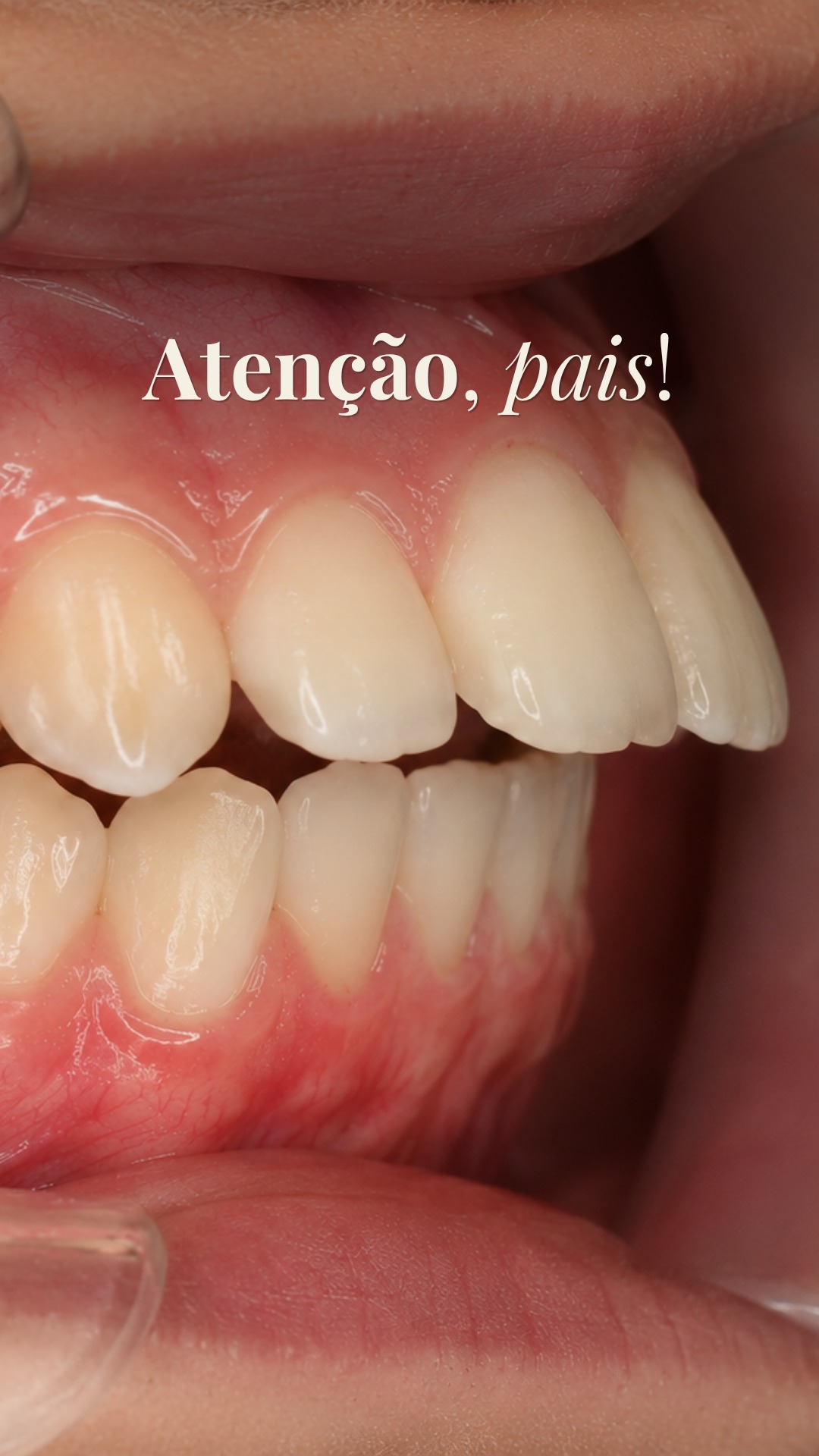
- Crossbite or open bite — upper and lower teeth that do not meet properly when the mouth closes
- Very crowded teeth or unusual spacing — often a sign that jaw and tooth sizes are mismatched
- Early or late loss of baby teeth — outside the normally expected timeline
- Predominantly mouth breathing — linked to problems with jaw and palate development
- Difficulty chewing or speaking — a sign that jaw function may be affected
None of these signs means that treatment will begin right away. Each one, however, is a reason to seek a professional opinion while there is still time to act during the ideal growth phase.
Prevention Today, Less Complexity Tomorrow
The core message of preventive orthodontics is straightforward: the best time to act is while growth is still happening. Waiting until the permanent teeth are fully in place is not always the wrong choice, but it does mean losing access to the most efficient and least invasive tools available.
An early consultation is simply a way to find out whether there is still time to take advantage of the growth window. For a deeper look at the signs to watch for and what to expect from an evaluation, read Preventive Orthodontics for Children: Act Early. Additionally, Early Orthodontic Evaluation in Children offers further guidance on what to expect from that first appointment.
Book a Consultation — No Commitment Required
If your child is between 6 and 12 years old — or if you have noticed any of the signs mentioned above — the next step is simple. A consultation will either confirm that everything is on track, or reveal that there is still time to act in the most efficient way possible.
Both outcomes are valuable information. Reach out via WhatsApp to ask any questions or to book a visit. There is no obligation and no pressure — only a chance to find out whether the window is still open for your child.