Dental floss cannot be replaced — and no matter how many new products appear on the market, that fact stays the same. Your toothbrush does a great job cleaning the flat surfaces of your teeth. However, roughly 30% of each tooth's surface sits between the teeth, hidden in spaces your brush simply cannot reach. That gap is exactly where dental floss makes all the difference.
What Your Toothbrush Misses Every Day
Most people brush twice a day and feel like their mouth is clean. In reality, the spaces between teeth quietly collect food particles and bacteria that build up over time. Without proper interdental cleaning, that buildup turns into plaque — and plaque leads to cavities, gum inflammation, and, in more serious cases, full-blown gum disease.
Research shows that brushing alone leaves nearly one-third of each tooth's surface untouched. That is not a small gap. Think of it as mopping your kitchen floor every day but leaving every corner completely ignored — the dirt will pile up eventually.
Why Dental Floss Is Still the Best Tool
Dental floss slides between the teeth and wraps around each tooth's surface, scraping off the sticky layer of bacteria that other tools cannot fully remove. According to the Brazilian Federal Council of Dentistry, interdental cleaning is not optional — it is an essential part of any effective oral hygiene routine.
Other tools, such as water flossers and interdental brushes, are great additions to your daily habits. However, they are designed to work alongside floss, not replace it. For people with braces, dental bridges, or limited hand mobility, these tools can be especially helpful. Still, for most people with natural teeth, dental floss remains the most effective way to remove stuck-on bacterial film from between the teeth.
The "Modern Substitute" Myth
Water flossers have become very popular in recent years. Many brands promote them as a modern upgrade that makes traditional floss unnecessary. The current scientific evidence, though, does not support that claim for the general public.
These devices do a great job rinsing debris from between teeth and stimulating gum tissue. Nevertheless, they do not make the same direct contact with tooth surfaces that floss does. Think of it this way: a power wash can clean a floor, but it will not scrub the corners the way a brush does — some tasks need a specific tool.
Interdental Brushes: Helpful Allies, Not Replacements
Interdental brushes are small, cone-shaped brushes designed to fit between the teeth. They are particularly useful where the gap between teeth is wider — for example, near the back of the mouth or beside dental implants.
For people with fixed braces, an interdental brush is practically a must. Flossing around orthodontic wires can be tricky, so the brush helps clean areas that floss cannot easily reach. Even so, combining both tools always gives the best result — they work better together than either does alone.
The Real Consequences of Skipping It
Gum disease does not happen overnight. It develops slowly, often with no pain in the early stages — which is exactly why many people do not notice a problem until it has already become serious.
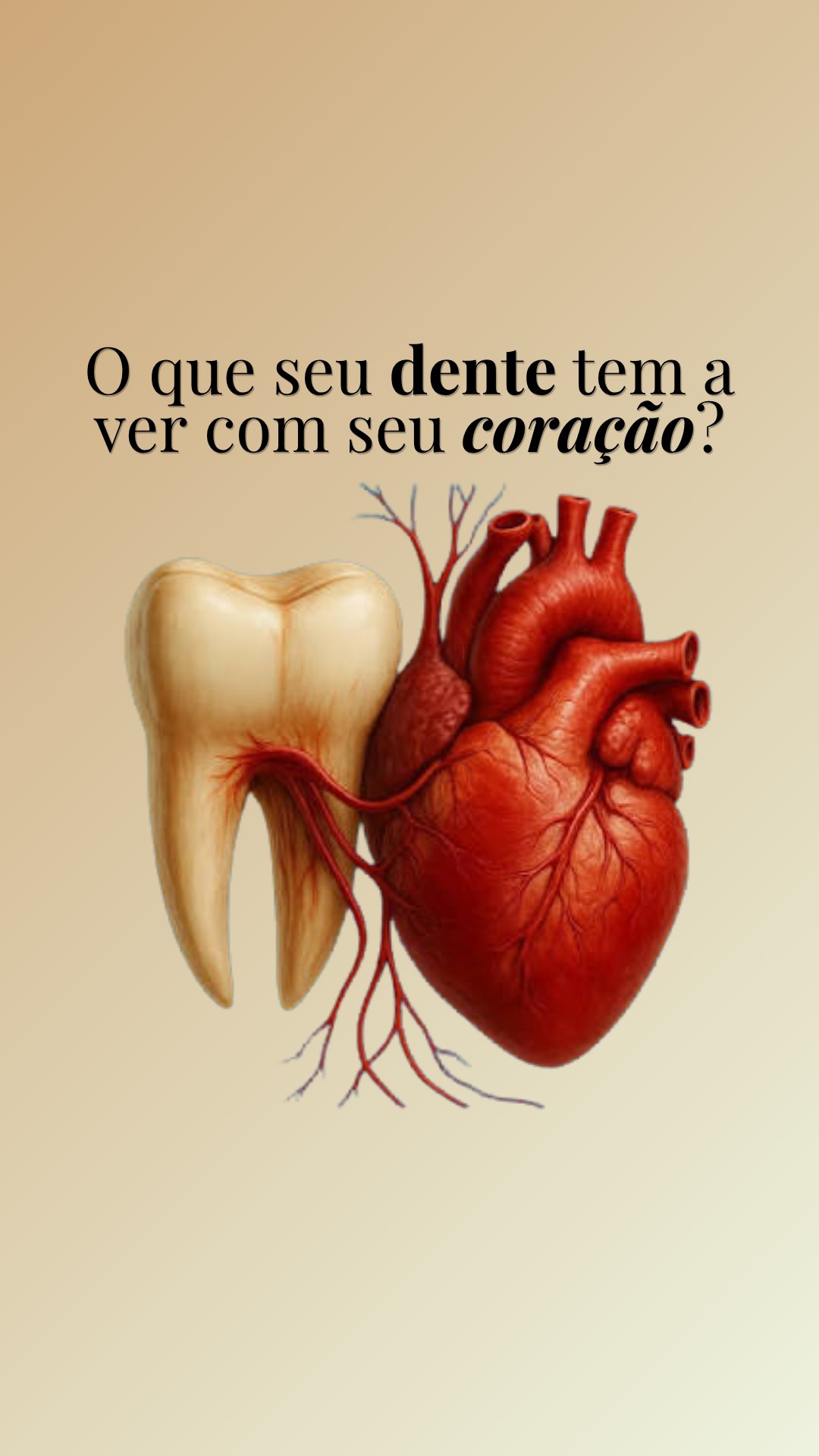
Studies show that only about 67.5% of adults use dental floss regularly, with even lower rates among men and lower-income groups. This gap points to how important oral health education still is. Beyond the mouth, there is growing evidence linking poor gum health to a higher risk of heart disease — meaning this one small habit protects far more than just your smile.
How to Floss the Right Way
Many people use dental floss incorrectly, which limits how effective it really is. Here is a simple technique that actually works:
- Take about 40–45 cm of floss and wind most of it around your middle fingers, leaving a short working section.
- Hold the floss firmly between your thumbs and index fingers.
- Slide it gently between your teeth using a zigzag motion — never snap it down, as that can damage the gums.
- Curve the floss into a C shape around each tooth and move it up and down against the tooth surface.
- Use a fresh section of floss for each tooth.
Flossing once a day is the minimum. Doing it at night is especially important — as covered in Why Brushing at Night Matters More Than You Think, your nighttime routine is when your mouth needs the most protection. Small consistent choices shape your long-term health, and Daily Habits and Dental Health explores exactly how much those choices add up over time.
Take the Next Step
Good oral hygiene does not need to be complicated — it just needs to be consistent. If you are not sure which interdental tools are right for your teeth, or if you would like a professional check to confirm your routine is actually working, we are here to help.
Reach out via WhatsApp — it is quick, friendly, and there is no pressure whatsoever.