Your patient role in orthodontic success is the single most important factor in whether your treatment delivers the results you are hoping for. While modern braces and aligners are more advanced than ever, the device itself only creates the conditions — what actually drives the outcome is you. This article breaks down what that means in practice, and why understanding your role can make the entire journey feel less overwhelming and far more manageable.
The Braces Do the Setup. You Do the Rest.
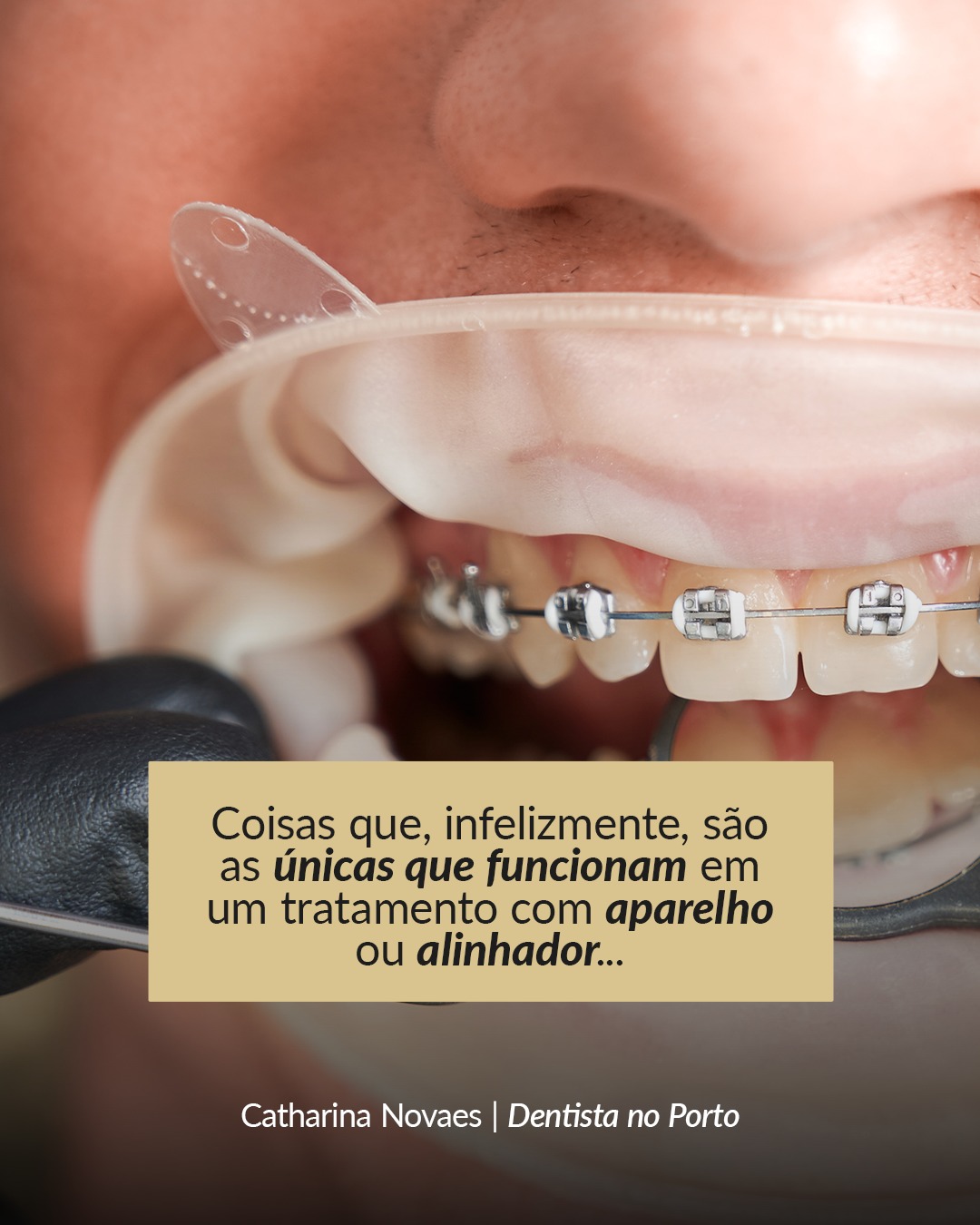
Many people start treatment believing that once the braces are on, the process runs itself. In reality, that's only half the picture. The appliance — whether traditional braces or aligners — applies forces to your teeth and guides them gradually into position. However, those forces only work consistently when you follow through on your end.
Attending every scheduled appointment is one of the most critical behaviors. Missing or delaying visits means your orthodontist cannot make the adjustments your treatment needs to stay on track. Beyond the chair, daily habits like brushing properly, avoiding foods that damage brackets, and wearing elastics as instructed all have a direct impact on how predictable your results will be.
Think of it this way: the braces are the tool, but you are the craftsperson using it every single day.
What "Active Participation" Actually Means
Active participation doesn't mean complicated routines or impossible standards. Instead, it comes down to a handful of consistent behaviors that, taken together, create the conditions for success.
The most important ones include:
- Keeping all scheduled appointments — even when nothing feels wrong
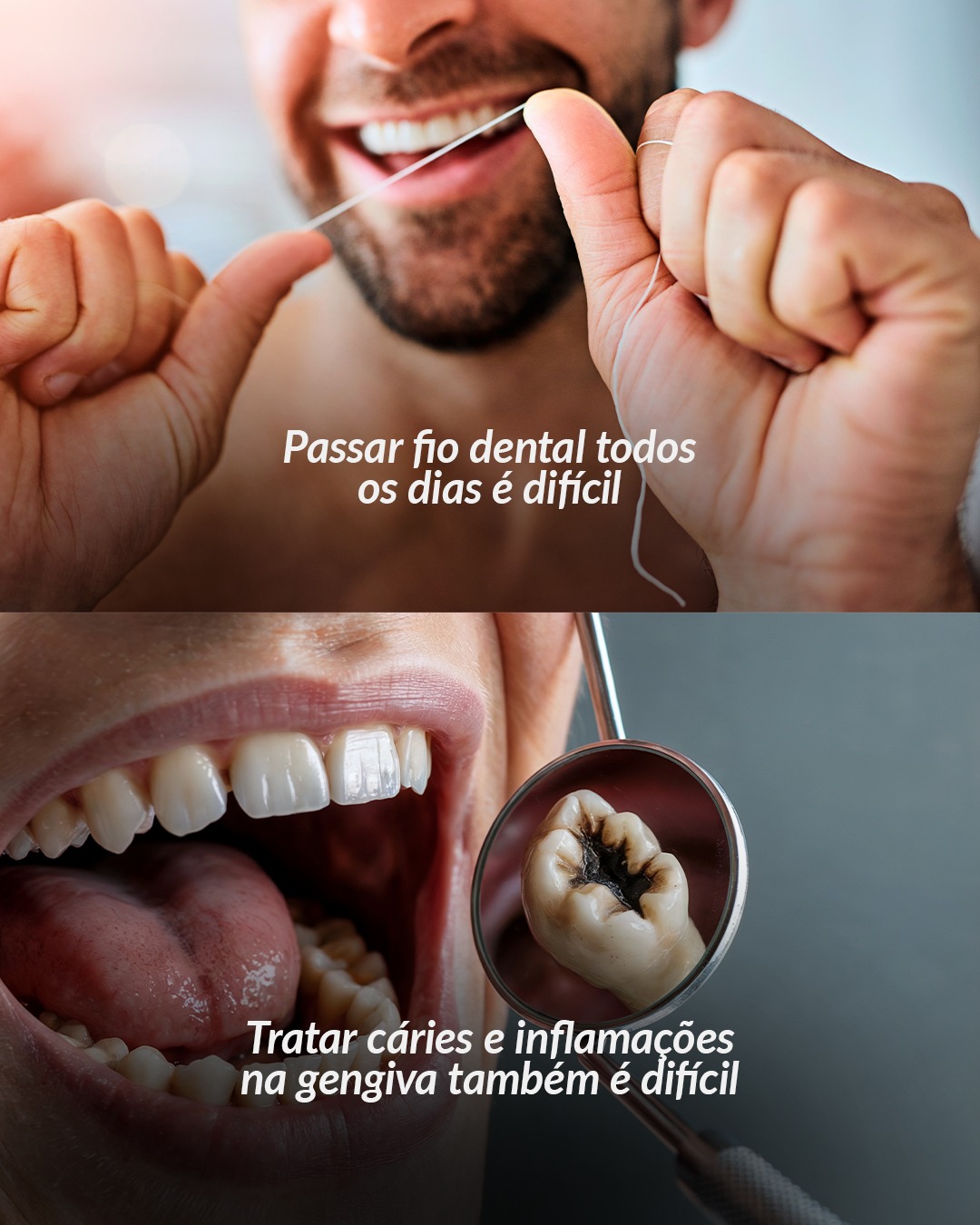
- Maintaining good oral hygiene — brushing and flossing around the appliance every day (see our guide on oral hygiene with braces)
- Using elastics and removable appliances correctly — exactly as instructed, not less
- Avoiding hard, sticky, or crunchy foods that can break brackets or wires
- Reporting any discomfort or broken parts promptly rather than waiting until the next appointment
None of these behaviors is particularly difficult on its own. However, the challenge lies in maintaining them consistently over months — and sometimes over years. That's where motivation and understanding become just as important as the appliance itself.
Orthodontics Is Predictable — When You Do Your Part
One of the most common beliefs about orthodontic treatment is that results are unpredictable. In truth, orthodontics follows a clear, well-established process. When each step is done correctly, outcomes are highly consistent and foreseeable.
What introduces uncertainty is not the technique — it's the human variables. According to research published in Dental Press Journal (SciELO), treatment duration and final quality are strongly influenced by patient cooperation. Missed appointments, broken appliances, and inconsistent use of elastics don't just slow things down — they can compromise final alignment and increase the risk of needing additional treatment later.
The encouraging news is that most of these variables are within your control. Recognizing this shifts the perspective from "I hope my treatment works" to "I am actively shaping how my treatment works." That mindset change can make the whole experience feel less passive and far more empowering.
Why Consistency Matters More Than Perfection
No one expects perfection throughout an orthodontic journey. Life happens — appointments get rescheduled, routines slip during a busy week, and motivation naturally rises and falls. The key, therefore, is consistency over time, not a flawless record.
Research from Brazil shows that even well-instructed patients tend to lose motivation without regular reinforcement throughout treatment. This finding highlights something important: your periodic check-ups aren't just for clinical adjustments. They also serve as a motivational reset, keeping you aligned with your goals and giving your orthodontist a chance to address concerns before they become setbacks.
So if you find yourself losing momentum midway through, that's completely normal — and it's exactly why showing up to every appointment matters beyond the technical side of things.
There Are No Shortcuts — And That's Actually Reassuring
Orthodontic treatment takes time, and there is simply no way around that. Bone and tissue need adequate time to adapt as teeth move into their new positions. Trying to rush the process — whether by skipping retainer use or pushing for faster results — typically leads to relapse or complications further down the line.
Here's the encouraging part, though: the absence of shortcuts also means the absence of mystery. As explored in patience in dental treatment, when each step is respected, the process becomes entirely predictable. Every stage serves a clear purpose, and following through consistently brings you progressively closer to the result you started treatment for.
Orthodontics isn't complicated. It simply requires time and consistency — two things that are completely within your reach.
Ready to Start Your Journey?
Understanding your role as a patient puts you in a stronger position from day one — whether you're already in treatment or still exploring your options. If you have questions about what your treatment would involve, or if you'd like to find out whether orthodontic care is right for you, reach out directly via WhatsApp: Talk to us on WhatsApp.
We're here to make the process as clear and straightforward as possible, every step of the way.