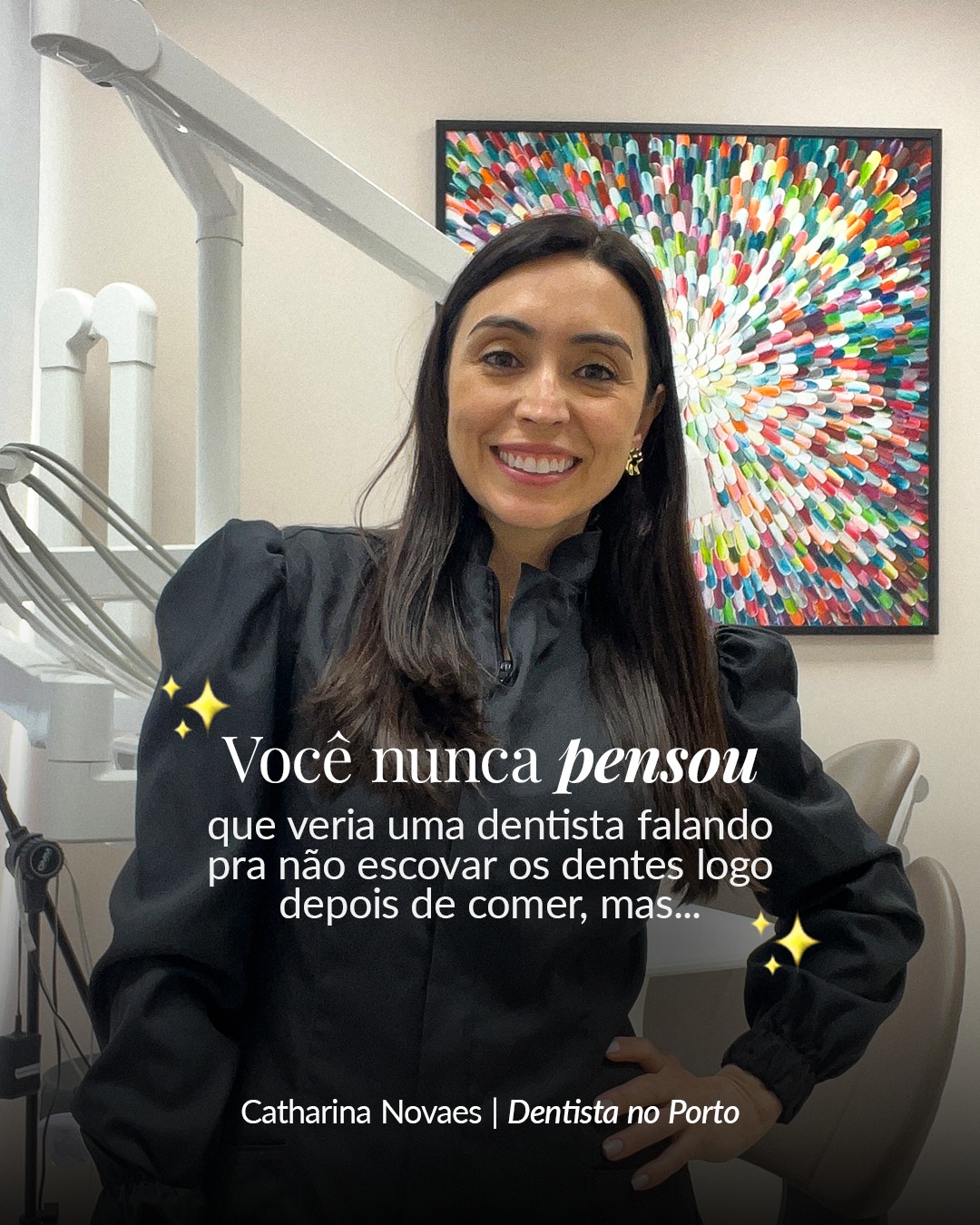
Daily habits and dental health are more connected than most people realize — and the choices you make today are quietly shaping your smile for the next ten, twenty, or thirty years. Every cup of soda, every night you skip flossing, and every time you brush too hard leaves a mark that builds up over time. The good news is that the reverse is equally true: simple, consistent habits can protect your teeth and gums for life.
The Habits That Slowly Damage Your Smile
Some harmful habits are obvious — but many are not. Here are the most common ones that cause long-term damage:
❌ Drinking acidic beverages — sodas, energy drinks, and citrus juices have a very low pH (between 2.0 and 3.5). That level of acidity attacks the outer layer of your teeth with every sip.
❌ Brushing too hard or too soon — aggressive brushing wears down your tooth surface. Doing it right after an acidic meal makes the damage even worse, because the enamel is temporarily softened by acid.
❌ Grinding your teeth (bruxism) — many people grind at night without knowing it. Over time, this habit flattens and weakens the biting surface of the teeth.
❌ Breathing through your mouth — especially in children, this habit can alter the development of the face, jaw, and bite. More on this below.
❌ Skipping flossing — brushing alone cleans only about 60% of tooth surfaces. The spaces between teeth are where most cavities and gum problems begin.
❌ Ignoring your gums — bleeding gums are often dismissed as normal. In reality, they are usually an early warning sign of gum disease.
Your Enamel Is Not Coming Back
Tooth enamel is the hardest substance in the human body. Unlike bone, however, it does not regenerate once it wears away — making it uniquely vulnerable to damage that accumulates over time.
Every acidic drink, every episode of grinding, and every aggressive brushing session removes a thin layer that is gone for good. The damage is invisible at first, but after years it shows as sensitivity, yellowing, and even small cracks. Fortunately, you can slow this process with a few simple adjustments:
✅ Wait at least 30 minutes after acidic food or drinks before brushing
✅ Use a soft-bristled toothbrush
✅ Choose a toothpaste with fluoride — it helps strengthen enamel
✅ Drink acidic beverages through a straw to reduce contact with your teeth
✅ If you grind at night, ask your dentist about a custom mouthguard
Mouth Breathing: A Hidden Cause of Bite and Facial Problems
This is one of the most underestimated topics in dental health. Breathing through the mouth — especially during childhood — does not just affect the teeth; it actually changes the way the face and jaw develop.
Scientific research shows that chronic mouth breathing can lead to a narrower face, a high and narrow palate, a recessed lower jaw, and bite problems such as crowded teeth, open bite, or crossbite. Because the tongue does not rest on the roof of the mouth (as it should during nasal breathing), it loses its natural role in shaping the palate and guiding proper jaw growth.
Moreover, mouth breathing reduces saliva flow. Saliva acts as a natural protector — it neutralizes acids and washes away harmful bacteria. Less saliva means a higher risk of cavities and gum disease.
If you notice your child breathing through their mouth regularly, speaking with a dental professional sooner rather than later is the right move. Early intervention can make a meaningful difference. You can explore this topic further in our article on mouth breathing in children and when it becomes a concern.
The Habits That Protect Your Smile
Taking care of your teeth does not require an expensive or complicated routine. In fact, the most powerful habits are also the simplest:
✅ Brush twice a day — once in the morning and once before bed. Nighttime brushing is especially important because saliva production decreases while you sleep, leaving teeth more exposed to acid and bacteria. For more on this, read our article on why brushing at night makes a difference.
✅ Floss every day — this removes plaque and food particles from the spaces a toothbrush simply cannot reach.
✅ Drink more water — water rinses away food debris, helps neutralize acids, and supports saliva production.
✅ Keep up with dental check-ups — a professional cleaning removes tartar that daily brushing cannot, and catching problems early saves time, money, and discomfort.
✅ Choose tooth-friendly foods — dairy products, crunchy vegetables, and nuts support enamel health. Limiting sugar and processed snacks makes a real difference over time.
Your Mouth Reflects Your Overall Health
Your oral health does not exist in isolation from the rest of your body. Research published in the Journal of the American Heart Association found that people with periodontal disease — a serious form of gum disease — have a 49% higher likelihood of experiencing a cardiovascular event.
The connection happens through bacteria. When gums are inflamed and bleeding, harmful bacteria can enter the bloodstream and travel to the heart, lungs, and other organs. This means that caring for your teeth and gums is an act of care for your entire body.
Additionally, conditions such as diabetes are linked to gum disease in both directions: uncontrolled blood sugar worsens gum health, and gum disease makes blood sugar harder to manage. The relationship between oral health and general health runs much deeper than most people expect.
Prevention Is Worth Far More Than Treatment
Think about the math for a moment. Daily brushing and flossing takes just a few minutes and costs very little each month. A routine dental check-up once or twice a year is an affordable preventive step.
Compare that to the cost — in time, money, and comfort — of treating advanced cavities, serious gum disease, tooth loss, or the need for implants. The difference is enormous. Modern preventive dentistry is built on one central principle: small, consistent actions today prevent large, complex, and expensive treatments later.
Why Education Is the Best Tool in Dentistry
Informed patients make better choices every day. When a dentist explains why flossing matters, or why you should wait before brushing after orange juice, that knowledge sticks. It creates lasting behavioral change in a way that a simple instruction never does.
According to research published in SciELO, dental health education does not just change individual habits — it creates a ripple effect. An informed patient teaches their family, and that knowledge spreads through entire communities. The best dental care is not just technical; it is educational and empowering.
Ready to Build Better Habits?
Your daily habits are already working — either protecting your smile or gradually wearing it down. Understanding which choices help and which ones cause harm is the first step toward a healthier, longer-lasting smile.
If you would like a personalized evaluation and guidance tailored to your specific needs, we would love to hear from you. Start a friendly conversation on WhatsApp — no commitment, just a chat about your oral health: