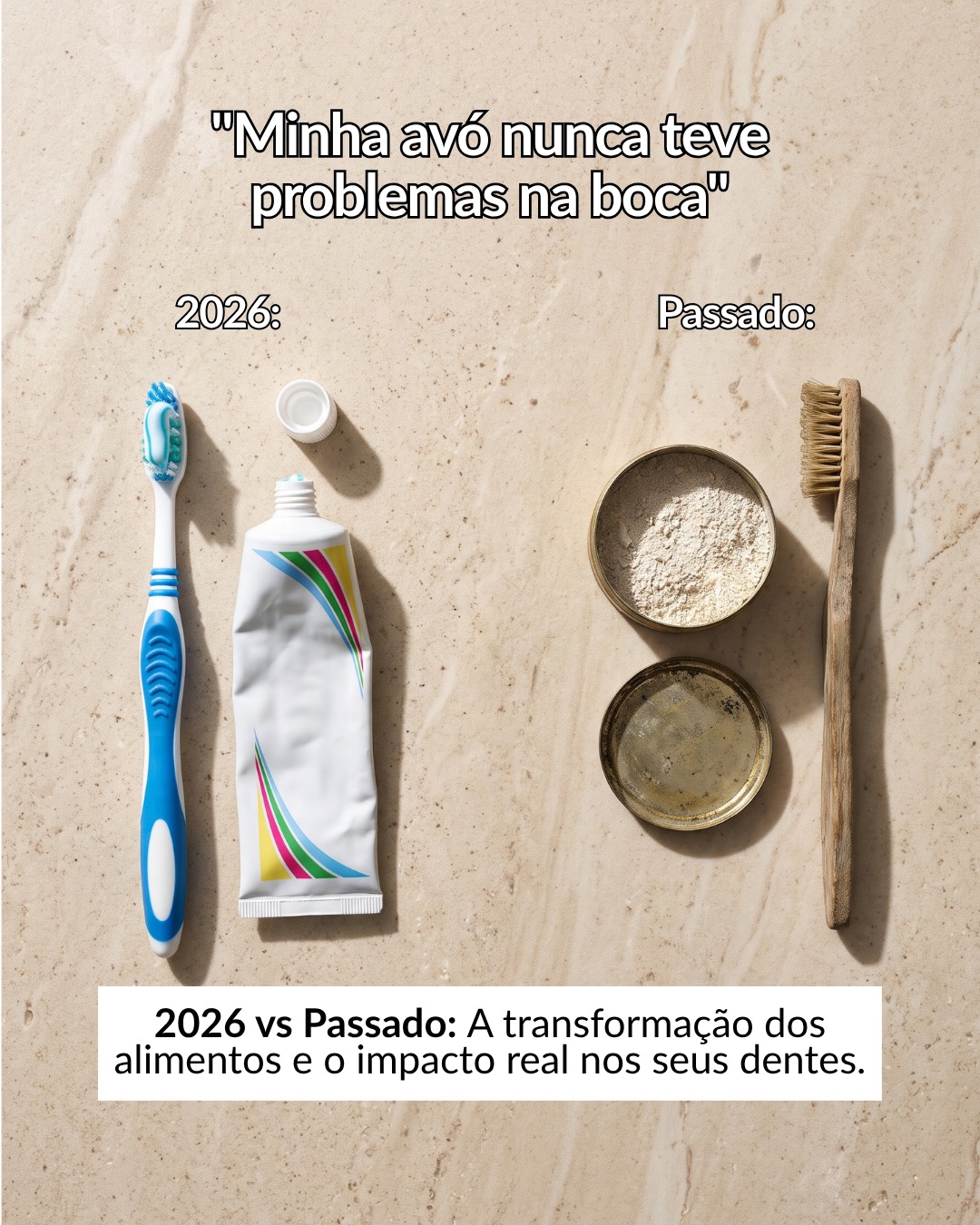
Modern foods and tooth enamel are in a quiet battle every single day. You may not notice it at first — no sharp pain, no sudden discomfort. Over time, though, the damage adds up and can lead to sensitivity, discoloration, and costly treatments. Understanding what is happening in your mouth can help you make simple changes that actually protect your smile.
The Hidden Enemy: Acidity
Most people think sugar is the main villain for teeth. However, the real problem runs deeper than that. The key factor is pH — a measure of how acidic something is.
Tooth enamel starts to dissolve when exposed to anything with a pH below 5.5. Surprisingly, many drinks people consume every day fall well below that level:
- Sodas and energy drinks: pH 2.0–3.5
- Packaged fruit juices: pH around 3.0–4.0
- Sports drinks: pH 2.9–3.7
When you sip these drinks, the enamel on your teeth is literally being worn away. The damage is slow and silent — and that is exactly why it catches so many people off guard.
How the Food Industry Changed the Game
Food products today are very different from what your grandparents ate. Over the past few decades, manufacturers added acidulants — ingredients like citric acid, phosphoric acid, and malic acid — to extend shelf life, lower costs, and improve flavor. As a result, items that seem healthy or harmless, like flavored yogurt, cereal bars, or packaged juices, now carry a hidden acidic punch.
Sticky sweets — gummy candies, caramels, and soft cereal bars — are especially harmful because they cling to the teeth for minutes after eating. This gives bacteria more time to produce acid and wear away the enamel. Even white bread, pasta, and rice break down into sugars that feed bacteria and form plaque on the tooth surface.
Why Frequency Matters More Than Quantity
Here is something that surprises many people: it is not how much acid you consume, but how often your teeth are exposed to it that matters most.
Your saliva is your mouth's natural defense. It neutralizes acids and helps rebuild enamel after meals — a process that takes about 20 to 30 minutes, as dental erosion research confirms. When you snack throughout the day — something individually packaged products make very easy — the mouth stays acidic almost constantly, and saliva never gets the chance to do its job.
Concentrating your meals into fewer windows during the day makes a real difference for your enamel.
The Most Problematic Foods and Drinks
| Category | Examples | |---|---| | Acidic drinks | Sodas, packaged juices, energy drinks, sports drinks | | Sticky sweets | Gummy candy, caramels, soft cereal bars | | Refined carbs | White bread, pasta, white rice | | Staining items | Coffee, red wine, cola | | Concentrated acids | Lemon juice, ketchup, vinegar-based dressings |
This does not mean you need to avoid all of these. The goal is awareness — knowing which foods exist in your daily routine and planning around them wisely.
Simple Habits That Actually Protect Your Teeth
Protecting your enamel does not require a complete diet overhaul. In fact, a few consistent habits make a noticeable difference:
- Drink acidic beverages with meals, not alone throughout the day.
- Use a straw positioned behind your front teeth to reduce direct contact with enamel.
- Wait 30 to 60 minutes before brushing after consuming acidic food or drinks — brushing too soon can scrub weakened enamel away. Find out more about why timing matters for brushing.
- Rinse with water right after eating or drinking anything acidic to wash away residue.
- Use fluoride toothpaste and a soft-bristle toothbrush for daily brushing.
- Floss every day — a toothbrush simply cannot reach all the spaces between teeth. Here is why flossing cannot be replaced.
Regular Dental Visits: Prevention, Not Reaction
Many people only visit the dentist when something hurts. By that point, however, the damage is often already significant. Enamel erosion detected early can be monitored and managed with simple measures — left untreated, the same erosion may eventually require veneers, crowns, or complex restorations.
Twice-yearly checkups give your dentist the chance to catch problems before they become expensive. Think of it as an investment in your smile — one that pays off every time you avoid a major procedure. Don't wait for pain to book your next checkup.
Take the Next Step
You do not need to overhaul your entire diet to protect your teeth. Small, consistent changes — using a straw, rinsing after meals, flossing daily, and scheduling regular checkups — are enough to make a real difference.
If you have questions or want a personalized look at your dental health, we are here to help. Send a message on WhatsApp and let's find the best approach for your smile.