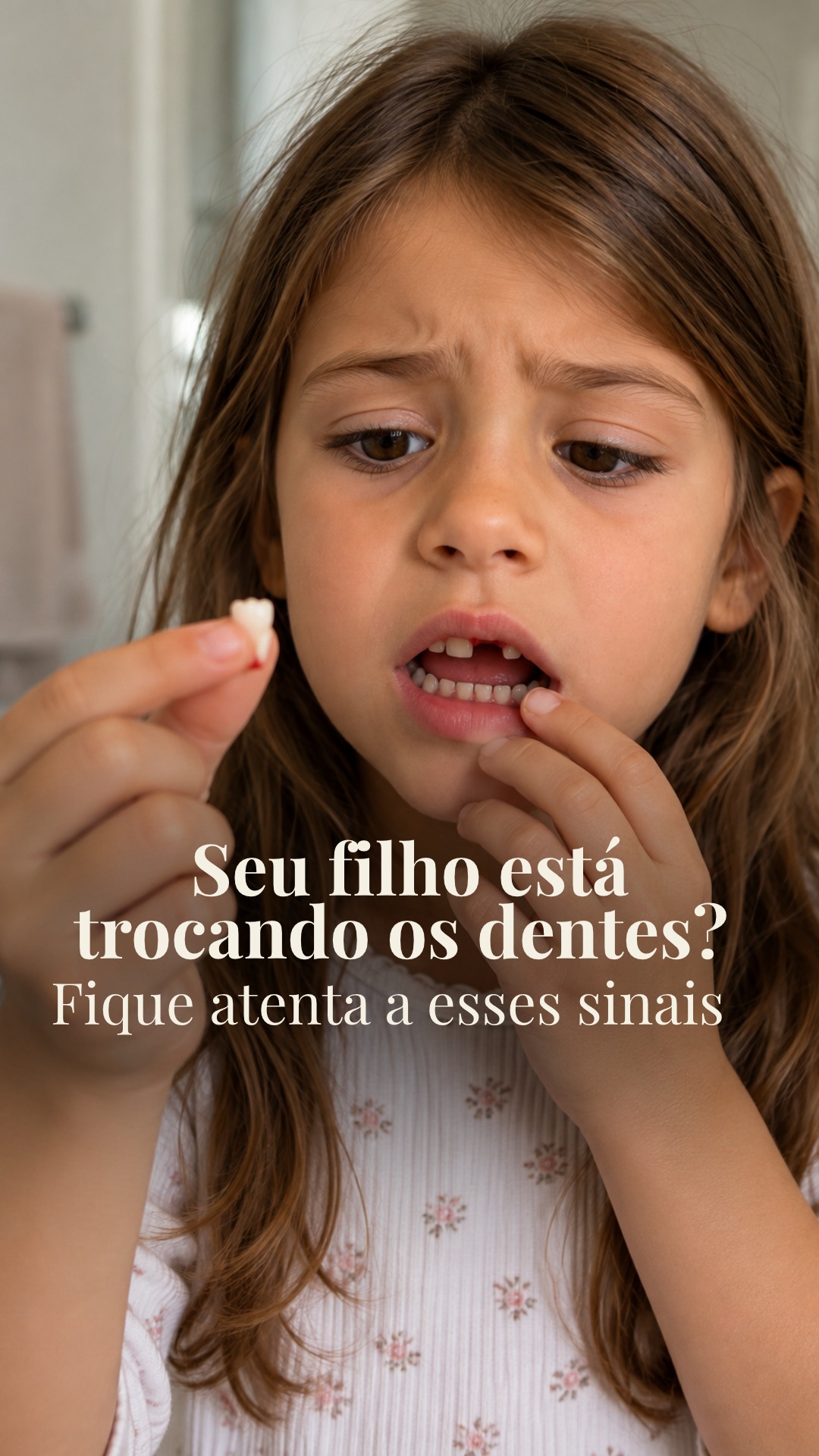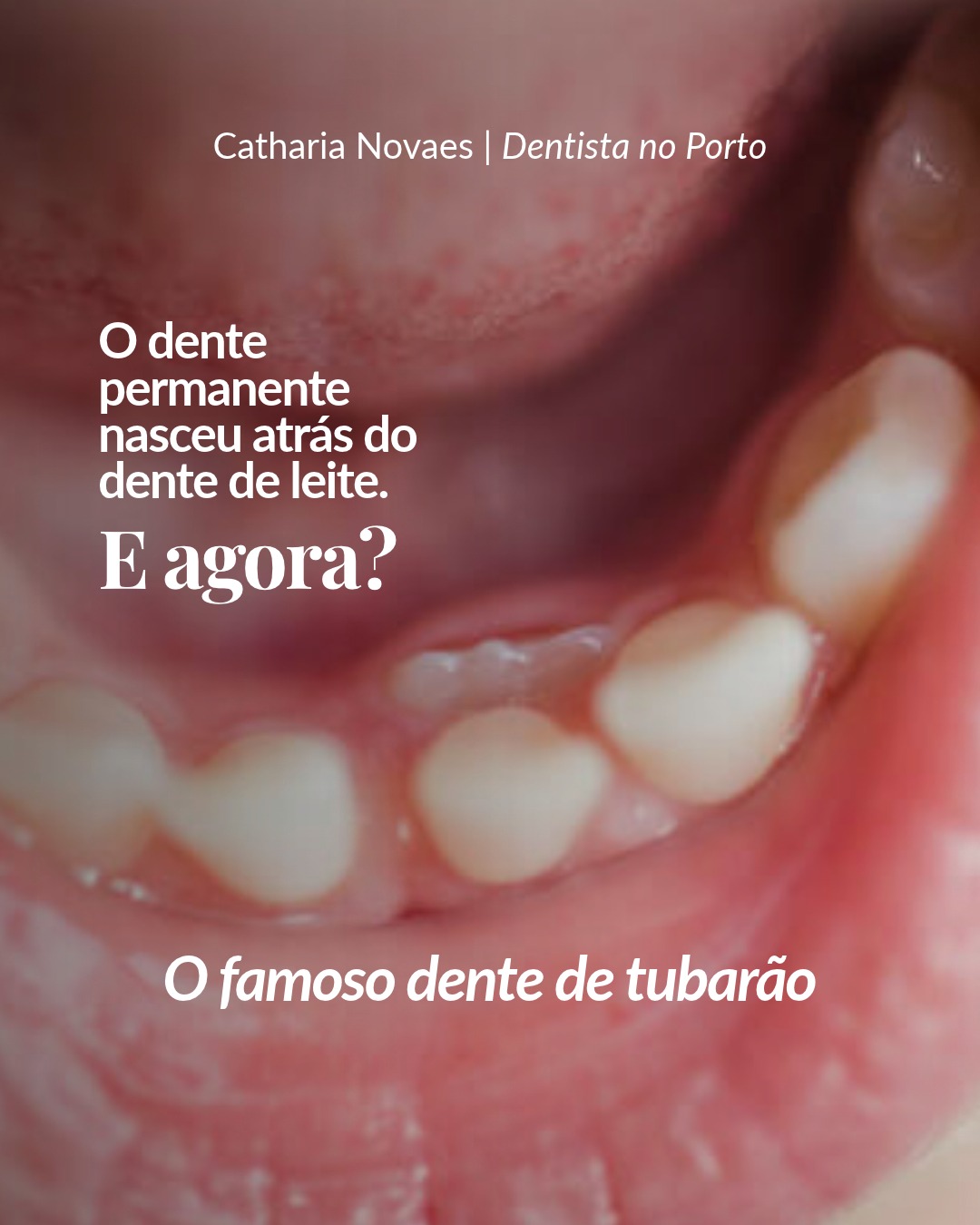
Shark teeth in children is one of the most searched dental topics among parents of school-age kids — and for good reason. That surprising moment when you spot a second row of teeth growing behind your child's baby teeth can feel alarming. However, in most cases, it is a completely natural part of growing up, and there is no need to panic. Understanding what is happening, and knowing when to act, can make all the difference.
What Are "Shark Teeth"?
The term "shark teeth" describes what happens when a permanent tooth starts to come in before the baby tooth in front of it has fallen out. This creates a double row of teeth — usually visible in the lower front teeth of children around age 6. It tends to happen right at the start of the tooth-changing phase, which typically begins between ages 5 and 7.
Why Does It Happen?
In most children, the pressure from the incoming permanent tooth naturally causes the baby tooth's root to dissolve over time. As the root breaks down, the baby tooth loosens and eventually falls out on its own. Your child's tongue also plays an important role here — the constant gentle pressure it places on the new tooth helps guide it into the correct position once the baby tooth is gone. This natural process can take a few weeks, and in some cases up to three months.
When Is It Normal?
Most of the time, shark teeth are nothing to worry about. The baby tooth will loosen gradually and fall out naturally, often with the help of your child wiggling it with their tongue. Many families notice that the situation resolves itself without any dental visit at all. The permanent tooth then moves forward into the right place once the space is free.
Warning Signs That Need a Dentist
However, there are situations where a dental check-up is the right step. Here are signs that mean your child should be seen by a professional:
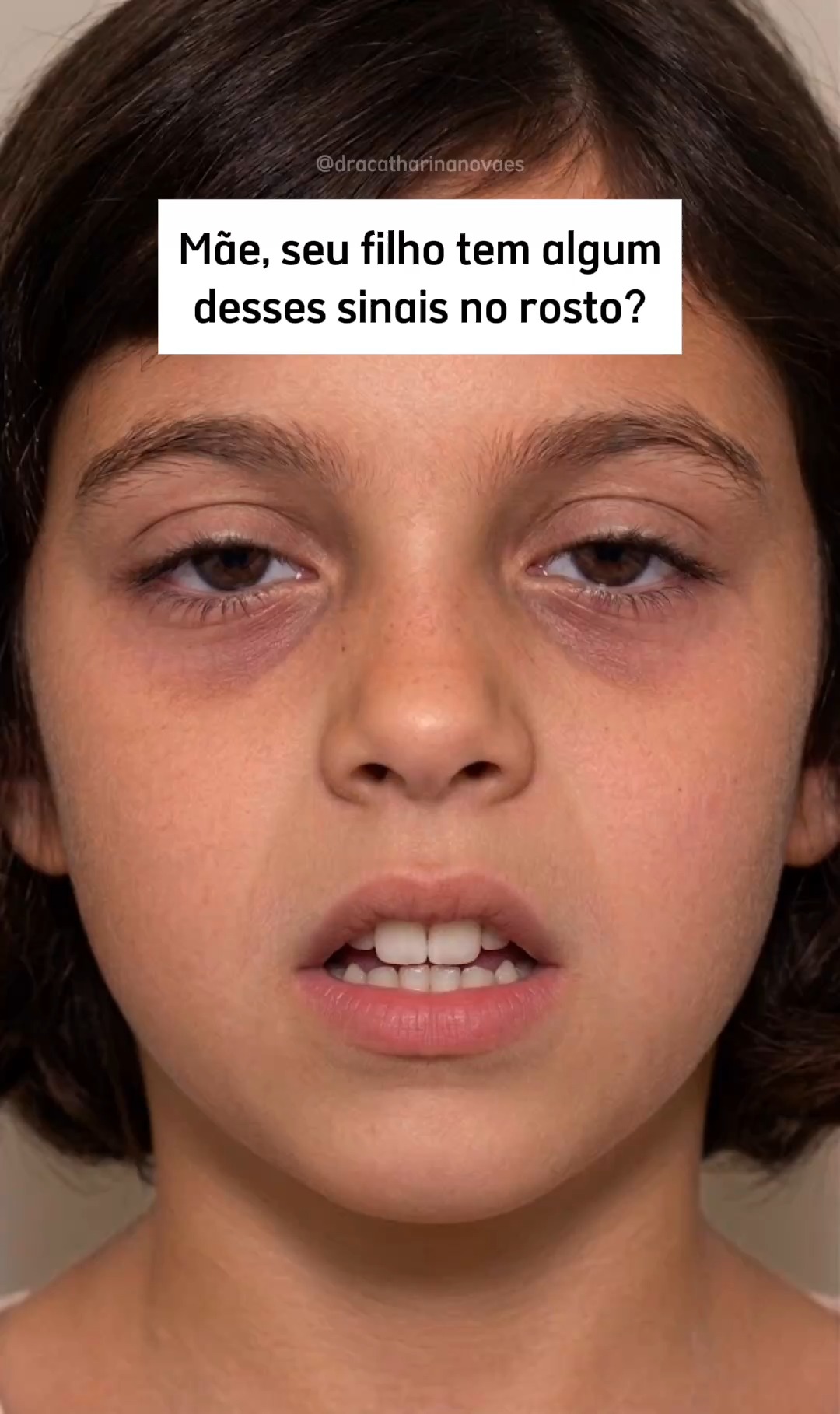
| Sign | What It May Mean | |---|---| | Baby tooth shows no movement at all | Root may not be dissolving properly | | Very little space in the dental arch | Risk of permanent misalignment | | Pain when touched or spontaneous pain | Inflammation or excessive pressure | | Swelling or redness in the gum | Possible infection or irritation | | Permanent tooth very far out of place | May not self-correct without treatment |
If the baby tooth is not loosening after several weeks, or if the new tooth appears very displaced, early evaluation becomes key. Waiting too long in those cases can sometimes lead to alignment problems that are much harder to fix later.
The Role of the Pediatric Dentist
A pediatric dentist will examine the area and, when needed, take an X-ray to check how far the baby tooth's root has dissolved and where the permanent tooth is heading. This one image can confirm whether it is safe to wait or whether the baby tooth needs to be removed. Early removal is only recommended when the baby tooth is clearly blocking the permanent one or when crowding is a real concern.
If your child has never had a dental visit, this is a great moment to start. The Brazilian Society of Pediatrics recommends that the first dental appointment happen as soon as the first baby tooth appears — and regular check-ups should continue throughout childhood.
What Parents Can Do at Home
There are a few simple things you can do while keeping an eye on the situation. Encourage your child to wiggle the baby tooth gently with their tongue — never with hands or objects. Keep up with regular brushing and flossing around the area to avoid any irritation. Additionally, watch for the warning signs listed above and do not hesitate to book an appointment if something does not feel right.
For more on what to expect during this phase, take a look at our guide on early care during the transition from baby teeth to permanent teeth.
Book a Preventive Check-Up
If you have noticed shark teeth in your child and are unsure whether to wait or act, the safest step is a quick preventive evaluation. A dentist can confirm whether the situation is resolving naturally or whether a small intervention would help. Most of the time, the news is reassuring — but it is always better to know for certain.
Ready to book your child's check-up? Chat with us on WhatsApp — we will help you find the best time for a visit.