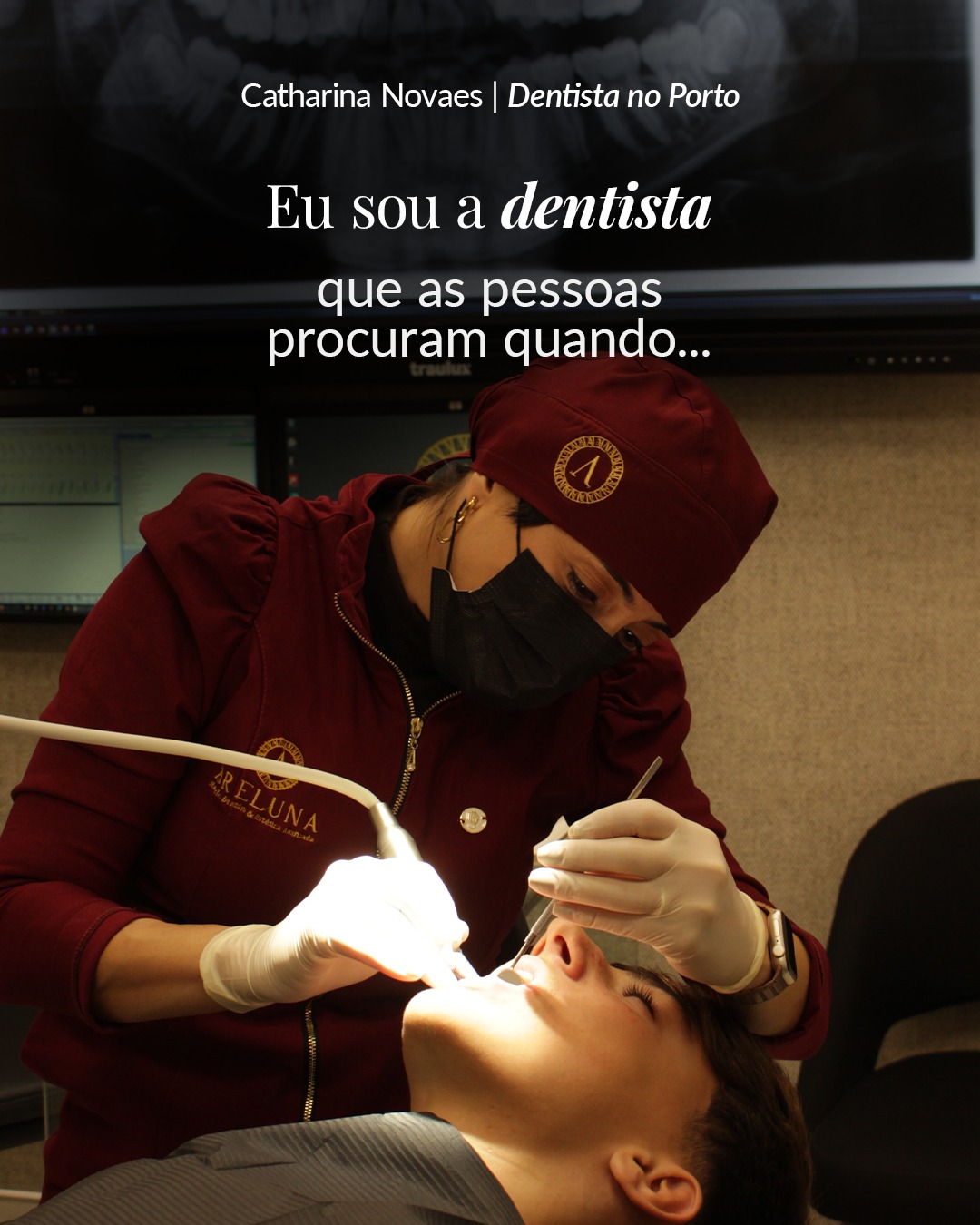
Holistic dentistry and facial harmony are reshaping how we think about oral health — and what a truly successful dental treatment looks like. For decades, visiting the dentist meant fixing cavities, cleaning teeth, or straightening a crooked smile. Yet the mouth is far more than a collection of teeth: it is the foundation of your face, your breathing, and your long-term wellbeing.
What Traditional Dentistry Gets Right — and What It Often Misses
Traditional dentistry has made extraordinary advances. We have access to stronger materials, faster procedures, and more precise techniques than at any point in history. Still, the conventional model tends to treat teeth as individual units — to be repaired, replaced, or repositioned — without always considering how those teeth relate to the face, the jaw, the airway, or the body as a whole.
A perfectly aligned smile can still sit inside a jaw that sits too far back, a face that is losing its natural support, or a body that breathes through its mouth every night. The photographs look great. The structure underneath, however, may be struggling in ways that only become visible years later.
The Four Pillars Your Dentist Might Be Overlooking
A whole-face approach considers at least four interconnected areas that a tooth-focused model can easily miss:
Facial harmony and jaw support
Your teeth are the scaffolding of your face. They maintain what dentists call the vertical dimension — the height of your lower third, the space between your nose and your chin. When teeth are lost, worn down, or poorly positioned, that height collapses. Over time, the result is a face that looks older: deeper lines around the mouth, thinner lips, and a jawline that begins to disappear. Research published in Research, Society and Development Journal confirms that dental losses and poor dental positioning directly accelerate bone resorption in the jaw and maxilla, collapsing the soft tissue framework of the lower face.
Tongue posture and its hidden effects
Where your tongue rests when you are not speaking or eating matters more than most people realize. Ideally, the tongue presses gently against the roof of the mouth, stimulating the palate to grow wide and flat. This creates space for the teeth and, importantly, for the nasal passage above. When the tongue rests low — often because of mouth breathing or chronic congestion — the palate becomes high and narrow, teeth crowd together, and the jaw develops differently than it should.
Breathing and airway function
Mouth breathing is far more than an aesthetic concern. Studies published in Revista UNINGA show how habitual mouth breathing changes tongue posture, narrows the palate, causes dental crowding, and compromises jaw growth over time. Furthermore, orthodontic results tend to relapse when nasal breathing is not restored as part of the treatment plan. Straightening teeth in a mouth that still breathes incorrectly is like painting a wall without fixing the crack beneath the surface.
Structural support for the face over decades
Every dental decision — whether to extract a tooth, fit a prosthesis, or apply braces — carries long-term consequences for how your face looks and functions. A tooth extracted without replacement can trigger bone loss within months. A prosthesis that does not restore proper jaw height can accelerate facial aging in predictable, documented ways. These outcomes are not rare; they are the reason a holistic evaluation looks at the whole picture from the very beginning.
How Dental Decisions Shape Your Face Over Time
One of the most surprising findings for many patients is the direct link between dental support and how quickly the face ages. According to Revista JRG de Estudos Acadêmicos, tooth loss, migration, and wear directly influence facial musculature and jawline definition. Teeth hold the bones of the jaw and maxilla in place — remove that support, and the bone gradually shrinks through a process called resorption, causing the face to look sunken around the mouth and chin.
This is why two people of the same age can look dramatically different depending on their dental history. It is also why holistic practitioners pay close attention to vertical dimension: preserving or restoring that facial height is not a cosmetic decision — it is a structural one with lasting consequences.
If you want to understand what a complete orthodontic treatment truly involves, it helps to know that function always comes before aesthetics in any well-designed plan.
The Mouth as a Window to Your Whole Body
The connection between oral health and general health goes deeper than most people expect. Research published in Revista Fitos (Fiocruz) documents a bidirectional relationship between periodontal disease and serious systemic conditions, including cardiovascular disease, diabetes, and preterm birth. Integrated dentistry frameworks reinforce this view: the mouth is a window into the body's overall health, and oral infections can both reflect and contribute to conditions far beyond the teeth.
This scientific foundation matters because it places holistic dentistry firmly in evidence-based practice — not in the realm of alternative approaches. Orofacial myofunctional therapy, which focuses on reeducating chewing, swallowing, breathing, and resting posture, is an increasingly regulated and peer-reviewed field.
Questions Worth Raising at Your Next Appointment
Moving toward a more complete approach does not always require changing dentists. Sometimes it begins with better questions:
- Does my bite position support my facial structure, or is there a vertical dimension concern?
- Has my breathing pattern — nasal or oral — been factored into my treatment plan?
- If a tooth needs to be extracted, what is the plan to preserve the bone in that area?
- Has my tongue posture been evaluated as part of my orthodontic assessment?
- Are there myofunctional exercises that could support and stabilize my results?
A dentist committed to the whole patient will welcome these questions — and, in many cases, is already asking them.
Start the Conversation Today
If this article has made you curious about what a more complete dental evaluation could reveal, the next step is straightforward. Send a message on WhatsApp to discuss a functional assessment focused on facial harmony, breathing, and structural balance. Every good treatment plan begins with the right questions — and those questions can start today.