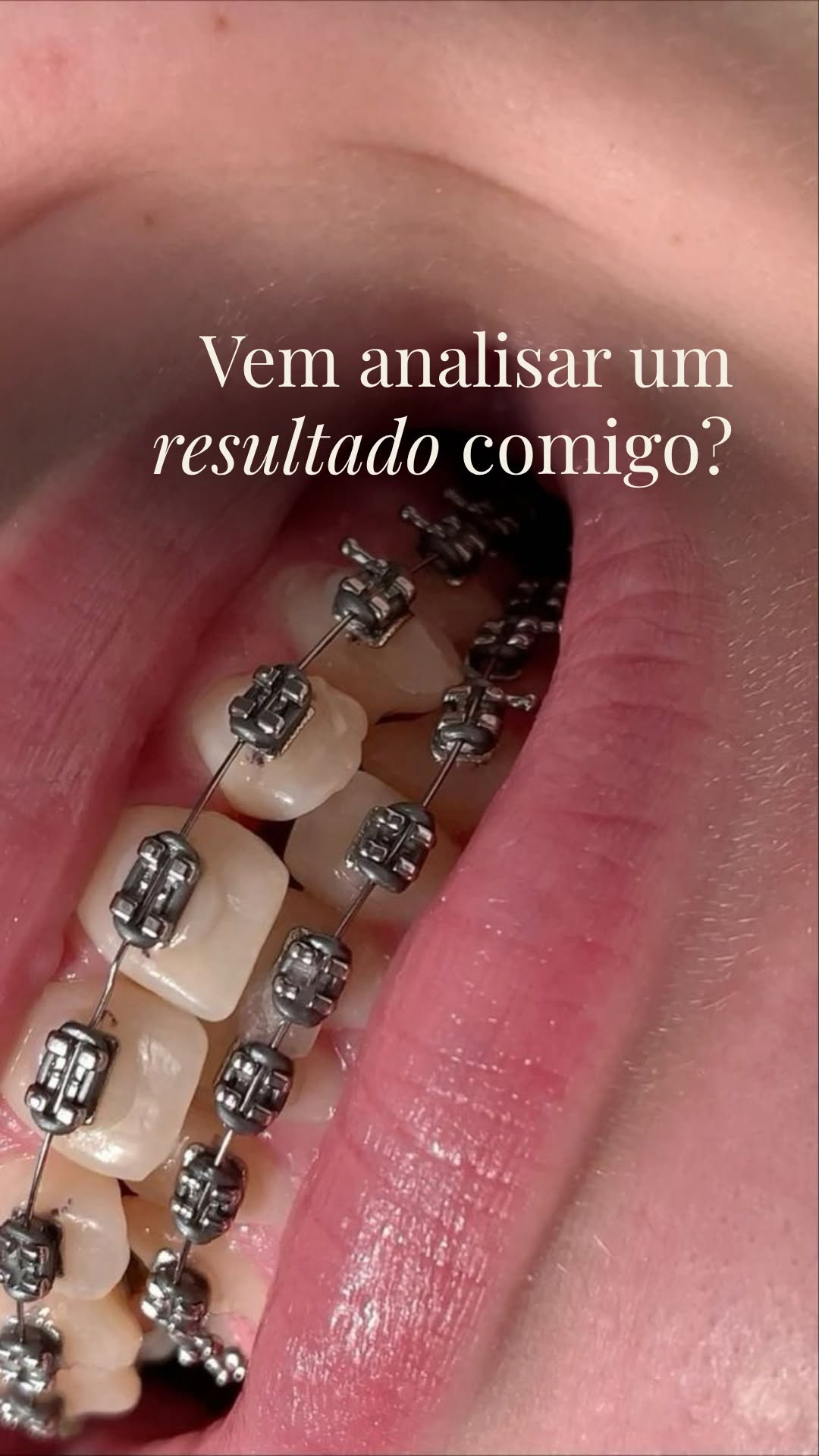
Complete orthodontic treatment involves far more than having teeth that look straight in photos. Many patients notice their smile looks great after just a few months of wearing braces and start wondering if it is time to finish. That moment of excitement is completely understandable — but it can also lead to one of the most common mistakes in orthodontics: stopping too soon.
What the Mirror Does Not Show You
When your teeth line up visually, it feels like the finish line. In reality, however, alignment is somewhere in the middle of the process. A full orthodontic treatment typically goes through at least six distinct stages, and the visible alignment you see around month three or four is only step three. After that point, several invisible but critical steps remain: correcting your bite, refining the way your upper and lower teeth come together, and stabilizing the final result so it lasts for decades.
Aligned vs. Treated: Not the Same Thing
Think of building a house. Putting up the walls is visible progress — you can see the structure taking shape. The plumbing, electrical wiring, and finishing work, however, all happen inside those walls. Without them, the house looks ready from the outside but does not actually function. Orthodontic treatment works the same way. Aligning the teeth is the visible part. The bite correction, occlusal adjustments, and retention phase are the invisible infrastructure that makes everything work long-term.
What Is Occlusion and Why Does It Matter?
Occlusion is simply the way your teeth fit together when you close your mouth. When the bite is balanced, every tooth carries an equal share of the pressure from chewing. Poor occlusion, on the other hand, puts uneven stress on specific teeth, the jaw joint (TMJ), and the surrounding bone and gum tissue. Research published in Dental Press journal shows that proper occlusal adjustment reduces overall treatment time, prevents tooth migration after braces are removed, and protects the teeth from long-term wear. In other words, getting the bite right is what makes your result stable — not just your smile straight.
What Happens When Braces Come Off Too Early
Removing braces before the treatment is complete does not pause your progress — it reverses it. The periodontal fibers, which are the tiny ligaments that hold each tooth in place inside the bone, have a natural elastic memory. They need sustained pressure over time to reorganize themselves around the new tooth position. Without that time, they pull the teeth back toward where they started. As explained in our post on teeth shifting after braces, this backward movement can leave your teeth in a worse position than before treatment began. Beyond aesthetics, early removal can also lead to jaw joint problems, asymmetric tooth wear, gum recession, bone loss, and even digestive issues caused by inefficient chewing.
The Retention Phase Is Not Optional
Once the braces come off, the retention phase begins. This means wearing a retainer — either removable or fixed — to hold the teeth in their corrected position while the bone and fibers fully adapt. Many patients think of retention as a bonus step or a formality. It is neither. Without it, even a perfectly executed orthodontic treatment will gradually undo itself over the following months and years. The retention phase is, in many ways, the step that locks in everything you invested in during the active treatment.
A Simple Way to Think About the Timeline
If you feel frustrated partway through treatment because your teeth already look straight, that frustration is completely valid. Orthodontic treatment is long, sometimes uncomfortable, and expensive. However, it can help to reframe the question: do you want teeth that look straight for one year, or teeth that function well and stay in place for twenty? The extra months your orthodontist is asking for are not stalling. They are the part of the process that turns a visual result into a permanent one. For more on what to expect as your treatment progresses, take a look at the risks of partial orthodontic treatment.
Questions Worth Asking Your Orthodontist
Feeling informed about where you are in the process can make a real difference in staying motivated. Consider asking your specialist:
- Which stage am I currently in?
- What specific goals need to be met before the braces can come off?
- How will we know when my bite is fully corrected?
- What will my retention protocol look like after the active phase ends?
These questions do not just satisfy curiosity. They help you understand what your orthodontist is working toward at every appointment, and they make the journey feel purposeful rather than endless.
Ready to Understand Your Treatment Better?
If you have questions about where you are in your treatment, or if you are considering orthodontic care and want to understand what a full, properly completed process looks like, we are here to help. Send us a message on WhatsApp — we will be happy to walk you through every stage and answer your questions without any pressure.
Frequently asked questions
My teeth already look straight, can I stop treatment early?
Stopping too soon is one of the most common mistakes in orthodontics. Visible alignment, seen around month three or four, is only step three of at least six stages. After it come bite correction, occlusal adjustments and stabilizing the result. Removing braces before treatment is complete does not pause progress, it reverses it, sometimes leaving teeth worse than before.
What is occlusion and why does it matter?
Occlusion is the way your teeth fit together when you close your mouth. When the bite is balanced, every tooth carries an equal share of chewing pressure. Poor occlusion puts uneven stress on specific teeth, the jaw joint and surrounding bone and gum. Research shows proper occlusal adjustment reduces treatment time, prevents tooth migration after braces, and protects teeth from wear.
Is wearing a retainer after braces really necessary?
Yes. Once braces come off, the retention phase holds teeth in their corrected position while the bone and fibers fully adapt. It is not a bonus step or a formality. The periodontal fibers have an elastic memory and, without retention, even a perfectly executed treatment gradually undoes itself over the following months and years. Retention locks in what you invested.