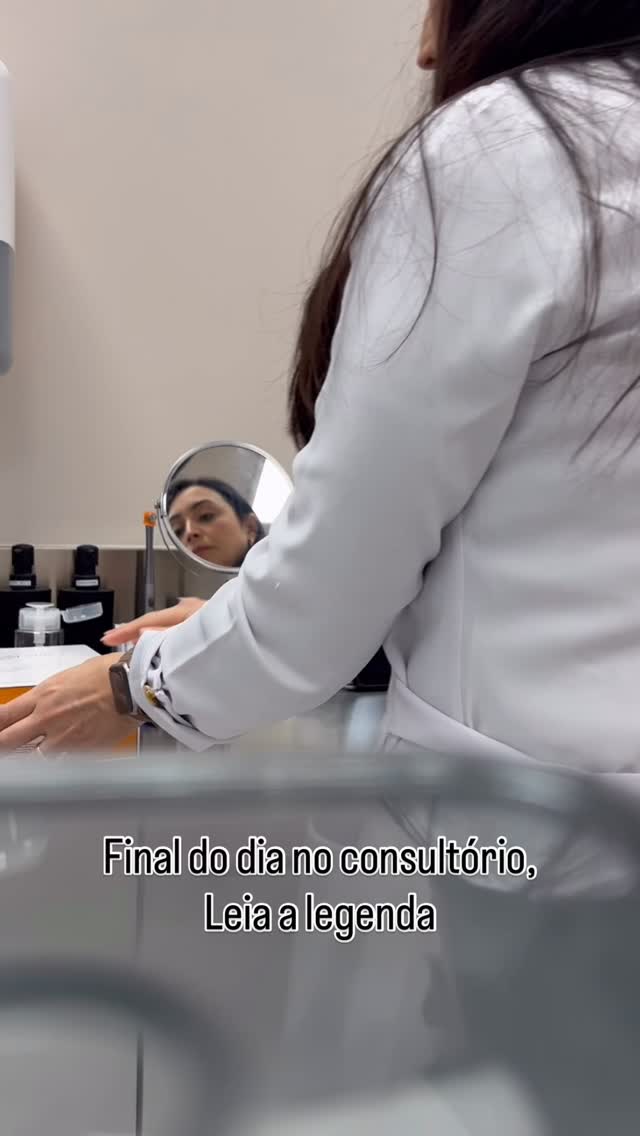
Orthodontic treatment real cases are the best way to understand what happens inside a clinic on a busy day. Behind every appointment there is a story — a person who waited too long, a child who needs early care, or a patient finally seeing their smile change. This article walks through four consultations from a single day, each one offering a different glimpse into what modern orthodontic care truly looks like.
The Adult Who Finally Said Yes to an Aligner
Many adults carry a quiet belief that orthodontic treatment is something for teenagers. Years go by, and the thought gets pushed aside — work gets busy, life gets in the way, and eventually it starts to feel too late. However, that feeling is simply not supported by science.
The Brazilian Federal Council of Dentistry confirms that orthodontic treatment is suitable for any age. The bone that anchors your teeth responds to carefully applied forces throughout a person's life. That means real, lasting results are possible at 35, 50, or even older — as long as the treatment plan is right.
One of the consultations that day involved fitting a clear aligner on an adult patient who had been putting off treatment for years. The aligner itself is a big part of why adults finally take that step: it is nearly invisible, removable, and designed to fit quietly into professional and social life. According to a guide on clear aligner technology, patients using aligners report high aesthetic satisfaction, and well-selected cases achieve results comparable to traditional fixed braces.
If you have been postponing your own treatment, you are not the only one — and it is not too late.
Introducing the Hyrax to Worried Parents
Another consultation during the day involved presenting a treatment plan to parents. The appliance recommended was the Hyrax expander, and understandably, the parents had questions.
The Hyrax is a fixed expander attached to the upper teeth. It gradually widens a narrow upper jaw to correct crossbites — situations where the upper and lower teeth do not line up properly on the sides. These are conditions that, if left untreated in childhood, become significantly harder to fix in adulthood.
Timing matters enormously with this type of treatment. The ideal window is before puberty, roughly around ages 8 to 12, when the palate still has a natural joint in the middle that has not fully fused yet. Waiting beyond this window means that joint solidifies, and expansion becomes much more difficult to achieve.
One practical advantage of the Hyrax over similar devices is its design: it has no plastic covering the roof of the mouth, which makes it easier to clean and less likely to cause irritation. For parents who worry about daily hygiene, this is a meaningful detail worth knowing.
To understand more about what early treatment can prevent, take a look at early orthodontic signs worth noticing before they grow.
When the Follow-Up Confirms the Plan Is Working
A third appointment of the day was a check-in visit — and it ended with a satisfying result. These appointments are often underestimated, but they are far from routine. Each follow-up is an active clinical moment: pressure levels are adjusted, positioning is reviewed, and the teeth's response is assessed to confirm everything is moving as planned.
The enthusiasm a clinician feels at a successful follow-up is genuine. It is the natural response to seeing a carefully built plan unfold correctly. Moreover, it is the moment when patients often start to truly believe in the process, because progress becomes visible and real.
Orthodontic treatment is not about placing an appliance and simply waiting. It is a series of calibrated decisions made at each visit. That is why consistent appointments matter just as much as the appliance itself.
Elastics: The Part That Depends on You
The fourth consultation of the day focused on reinforcing instructions about orthodontic elastics. Unlike every other part of treatment, this piece is almost entirely up to the patient.
Elastics — the small rubber bands used in orthodontics — connect the upper and lower sets of teeth to correct bite problems that the wire and brackets alone cannot solve. They need to be worn 22 to 24 hours a day, removed only for meals and brushing. Every hour without them is an hour of planned tooth movement that simply does not happen.
The goal of reviewing these instructions is never to create guilt. Instead, it is about education and care — helping patients understand that their daily effort is genuinely part of the clinical plan. Skipping elastics does not just slow things down; it can extend the overall treatment time and, in some cases, allow the bite to drift back toward its original position.
Reinforcing guidance at every appointment is a sign of attention. It shows that the orthodontist is tracking every detail, not just the big picture.
What This Day Teaches Us About Orthodontic Care
Each of these four consultations tells a different story, but they all share the same thread: orthodontic care is personal, precise, and ongoing. It is not a one-size-fits-all process. An adult getting an aligner, a child needing early expansion, a patient checking in on progress, and another reviewing how to wear elastics — each one deserves a tailored approach and a clinician who is fully engaged.
That is what a productive day in the clinic really looks like: not just appointments on a calendar, but real people moving toward better health and genuine confidence in their smile.
Ready to Start Your Story?
Whether you have been considering treatment for yourself or researching options for your child, the first step is simply a conversation. Book your evaluation via WhatsApp and get an honest assessment with a clear plan designed for you — no pressure, no rushing, just the right next step at the right time.
Frequently asked questions
Am I too old for orthodontic treatment as an adult?
No. The Brazilian Federal Council of Dentistry confirms orthodontic treatment is suitable for any age. The bone that anchors your teeth responds to carefully applied forces throughout life, so real, lasting results are possible at 35, 50, or even older, as long as the treatment plan is right. Many adults simply believe wrongly that it is only for teenagers.
Why do adults choose clear aligners?
The aligner is a big part of why adults finally take the step: it is nearly invisible, removable, and designed to fit quietly into professional and social life. Patients using aligners report high aesthetic satisfaction, and well-selected cases achieve results comparable to traditional fixed braces.
What is a Hyrax expander and when is it used?
The Hyrax is a fixed expander attached to the upper teeth that gradually widens a narrow upper jaw to correct crossbites, where the upper and lower teeth do not line up properly on the sides. Left untreated in childhood, these conditions become significantly harder to fix in adulthood.
When is the best age for palate expansion?
Timing matters enormously with this type of treatment. The ideal window is before puberty, roughly around ages 8 to 12, when the palate still has a natural capacity to widen. Acting within this window allows a gentler, more effective correction of a narrow upper jaw.