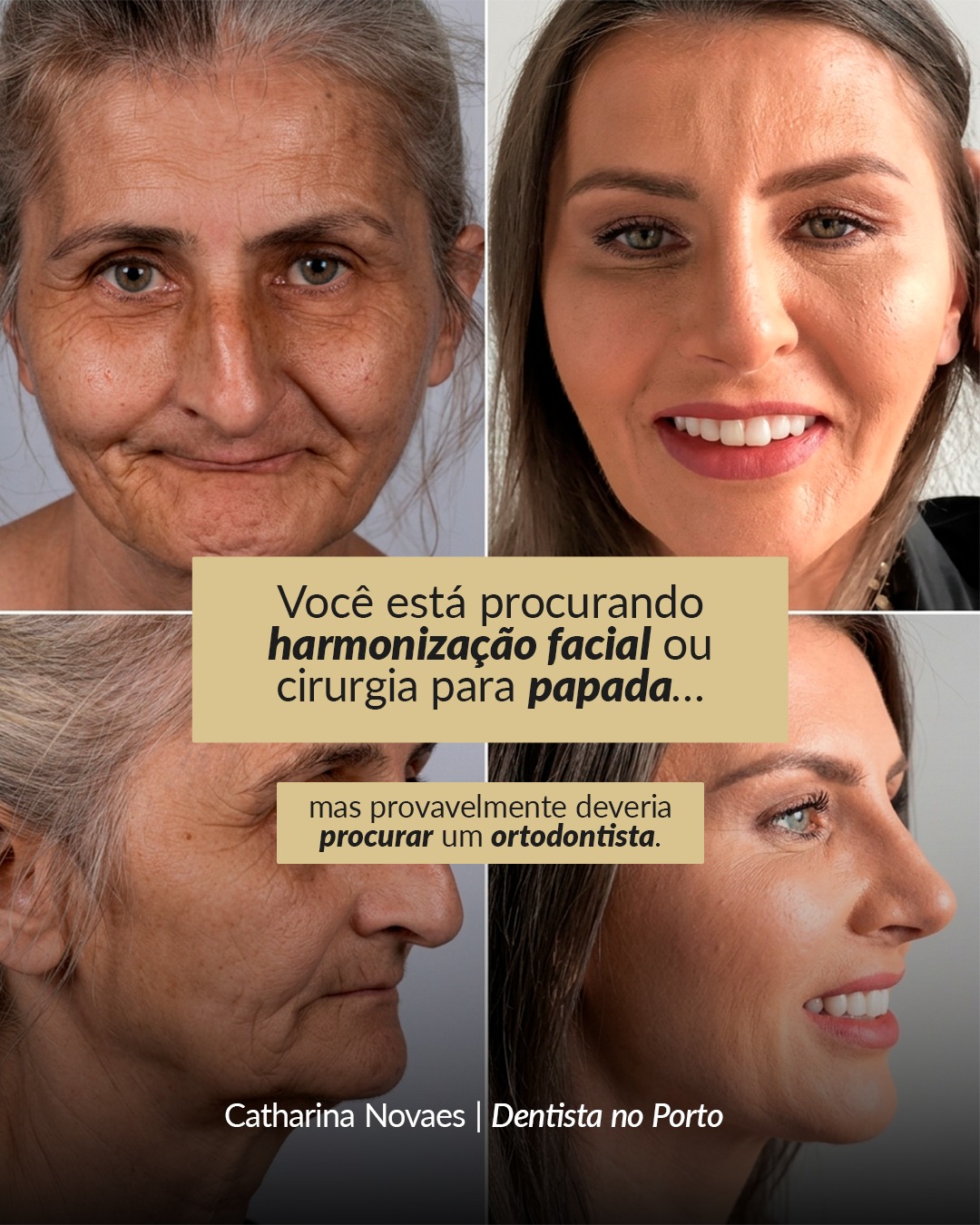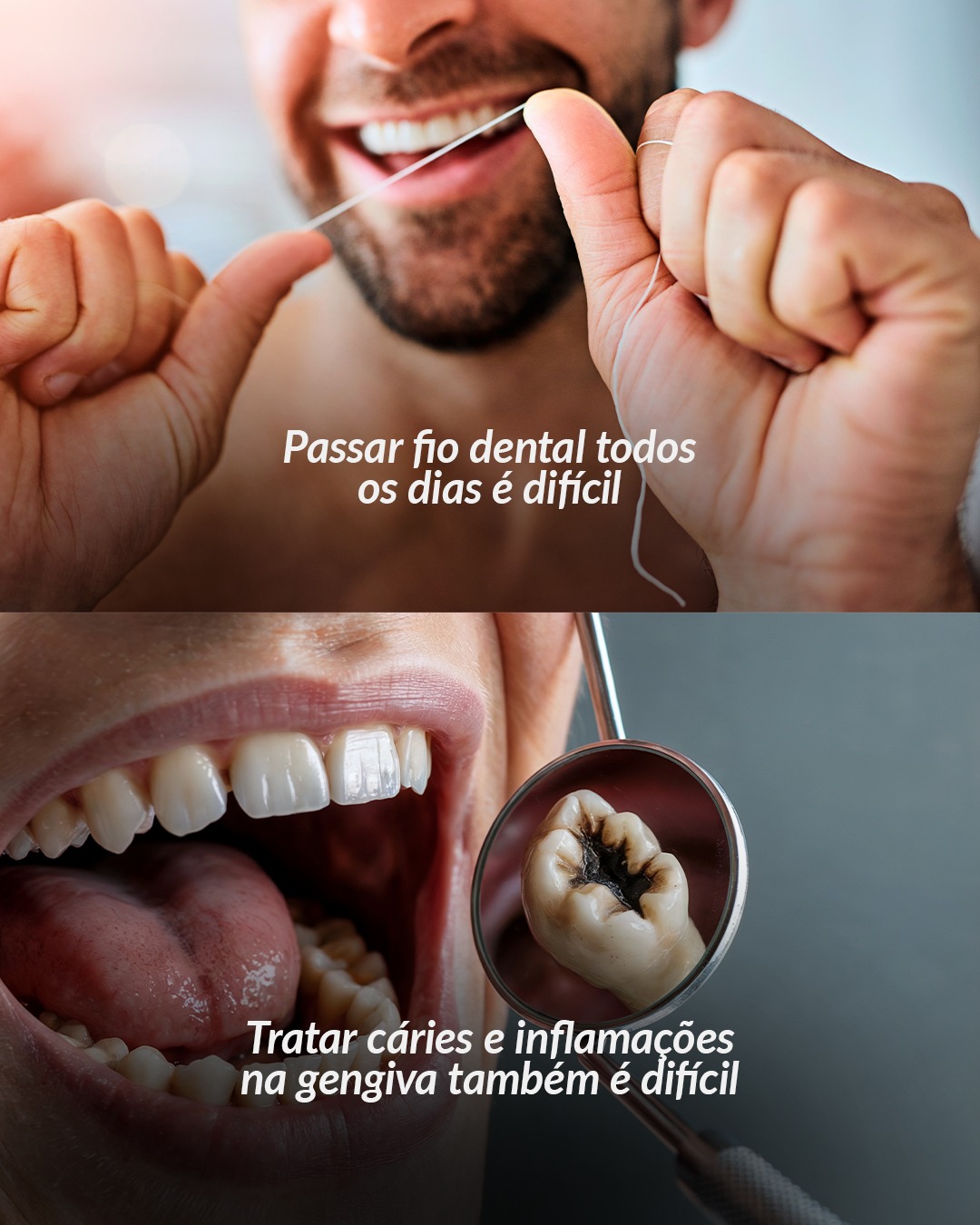
Preventive orthodontics for children is one of the most misunderstood topics in family dental care. Many parents believe the right time to visit an orthodontist is after every baby tooth has fallen out. Waiting that long, however, may mean missing the best window for guiding healthy facial growth.
The Myth That Holds Many Families Back
Most parents assume orthodontic treatment belongs in the teenage years, once a full set of permanent teeth has come in. This assumption is so widespread that it rarely gets questioned. According to the American Association of Orthodontists, the first evaluation should happen between the ages of 5 and 7.
Baby teeth are not mere placeholders. They actively guide the position of the permanent teeth that follow. When a baby tooth is lost too early or when the jaw develops in an unusual pattern, problems can build quietly in the background — and they become far harder to fix once the child is fully grown.
The Golden Window: Why Timing Is Everything
Think of a child's facial bones like fresh clay. During the early years of life, the bone is still soft, active, and easy to shape. This phase of high flexibility — commonly known as the "golden window" — stays open until around age 12 or 13.
During this period, the jaw is growing, and gentle, targeted guidance can produce lasting results. For girls, the most active phase of upper jaw development tends to peak between ages 7 and 9. For boys, it arrives slightly later, between 9 and 11.
Once the bone hardens and matures, that window closes. After that point, corrections take longer, require more complex tools, and may even involve surgery. Acting early, therefore, is not about rushing — it is about being on time.
Preventive Orthodontics Is Not About Straight Teeth
Here is something many parents are surprised to learn: the goal of preventive orthodontics is not to make teeth look perfect. Rather, it is to build a healthy facial foundation.
This means guiding the growth of the upper and lower jaws while the bone is still forming. It also means creating enough space for permanent teeth to come in at the right position. As a result, a child may never need extractions or complicated treatment later on. The focus is entirely on function — building a bite and a face that work well for life.
Chewing, Speech, and Breathing: Three Functions Worth Protecting
Early evaluation reaches far beyond appearance. It directly affects three essential functions that children rely on every day.
Chewing: A misaligned bite can make it hard to break food down properly. Over time, this can put strain on the jaw and even affect digestion.
Speech: The position of the jaw and tongue shapes how sounds are formed. When these structures develop incorrectly, children can develop speech patterns that require extra therapy to address.
Breathing: This is perhaps the most overlooked area of all. Mouth breathing in children is extremely common — but it is rarely harmless. Chronic mouth breathing can gradually alter the shape of the face, disturb sleep quality, and reduce a child's ability to concentrate during the day. For a closer look at this topic, see our post on mouth breathing in children and when it becomes a concern.
Addressing these issues during the growth phase gives the best possible outcome, simply because the bone is still responsive to gentle correction.
Early Evaluation Does Not Mean Braces Right Away
A very common concern among parents is this: "If I take my child early, will they leave the office with braces?" In the vast majority of cases, the answer is no.
An early evaluation is primarily about understanding how the face and jaw are developing. The orthodontist observes, measures, and monitors. In many visits, no action is needed immediately — the specialist simply sets up a schedule to track growth over time.
When action is needed, it often involves simple, lightweight appliances that work with the body's natural development. This approach is only possible during the golden window, which is precisely why early assessment matters so much.
Signs That Suggest Your Child May Benefit From an Evaluation
Not every child will require early intervention. Still, certain signs are worth noticing:
- Mouth breathing, especially at night
- Thumb sucking or pacifier use past age 4
- Difficulty chewing or a clear preference for soft foods
- Crowded or widely spaced teeth
- Jaw clicking, pain, or discomfort
- Speech difficulties or unclear pronunciation
If your child shows one or more of these signs — or if they are 6 or older and have never seen an orthodontist — scheduling an assessment is a smart, low-effort step. You can also explore what to expect in our article on early orthodontic evaluation in children.
Ready to Find Out Where Your Child Stands?
The golden window does not stay open forever. If your child is 6 or older and has not yet had an orthodontic evaluation, now is the ideal time to find out how their growth is progressing.
An early assessment is a relaxed, non-invasive conversation about your child's development. The effort is small — and the long-term benefit can be enormous.
Take the first step today and reach out via WhatsApp to schedule a facial growth evaluation for your child: Talk to Dr. Catharina on WhatsApp.