Early orthodontic evaluation in children is one of the most powerful tools parents have to protect their child's smile — and most families wait far too long to use it. Many of the clues that point to future alignment problems are not hidden inside the mouth at all. They show up in everyday habits and behaviors that are easy to spot at home: the way a child breathes during sleep, whether they still use a pacifier past age two, or how they hold their jaw while chewing. Knowing what to look for can make a meaningful difference in your child's long-term oral health.
What Warning Signs Should Parents Look For?
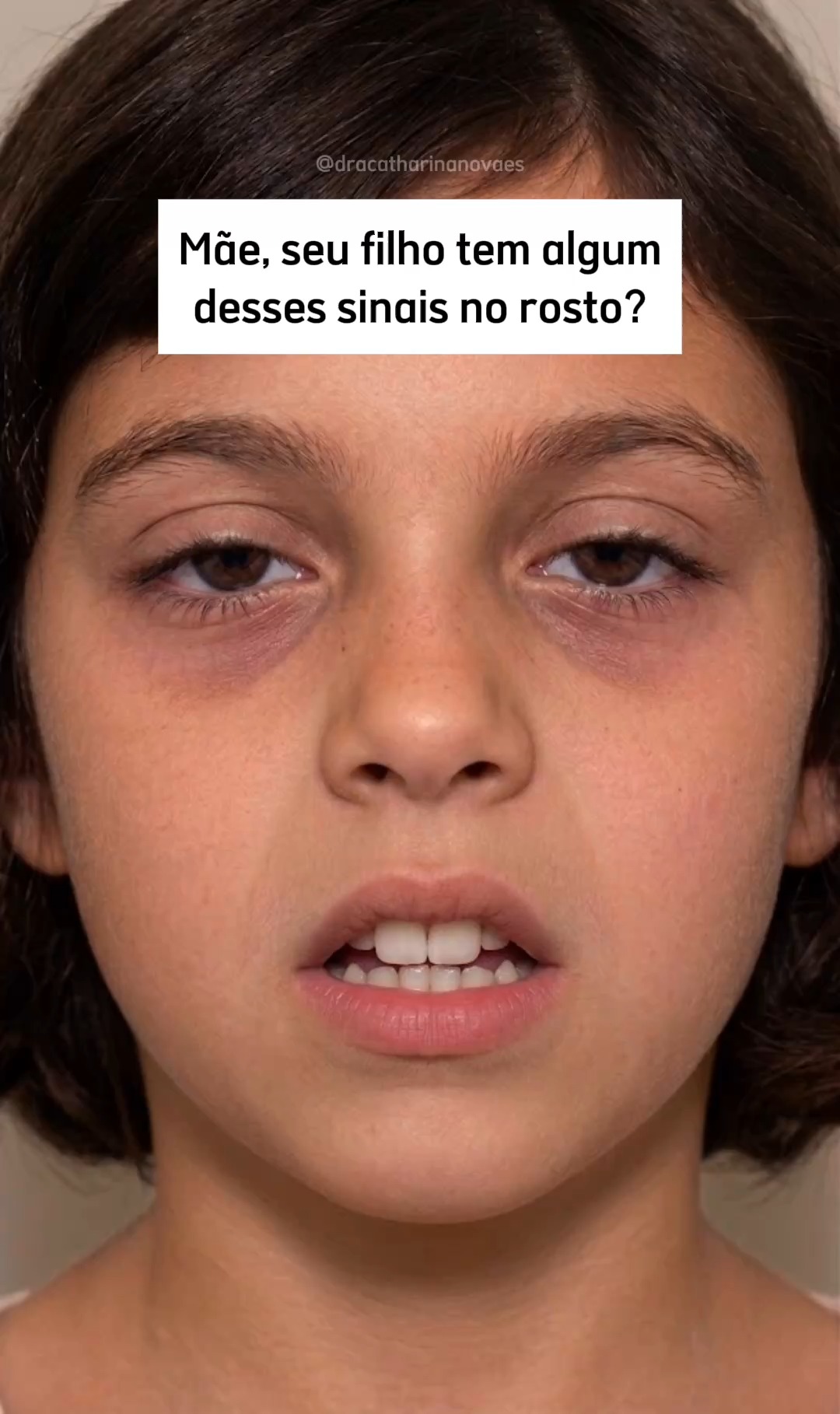
Some habits that seem completely harmless are actually early signals of bite problems in the making. Prolonged pacifier use beyond age two or three, thumb-sucking, and mouth breathing are among the most common red flags that orthodontists watch for. In addition, children who grind their teeth at night, struggle with chewing, or tend to push their tongue against their teeth when swallowing may also benefit from a professional check. These behaviors can quietly influence the way the jaws, teeth, and facial bones develop over time.
Common signs worth discussing with a specialist include:
- Mouth breathing during sleep or rest
- Pacifier or thumb-sucking past age 2–3
- Teeth grinding (bruxism)
- Difficulty chewing or biting
- An uneven bite, or teeth that do not seem to meet properly
- Frequent open-mouth posture
- Tongue pushing against the teeth when swallowing
Mouth Breathing: The Overlooked Red Flag
Many parents do not realize that breathing through the mouth — especially during sleep — can significantly affect a child's facial growth. Scientific research shows that 44% of children evaluated in studies breathed primarily through their mouths, and of those, more than 84% had bite alterations. Mouth breathing changes how the tongue rests inside the mouth, reduces facial muscle tone, and can lead to a narrower palate and a longer face shape over time. Fortunately, early identification opens the door to timely action — often involving a team that includes an ear, nose, and throat specialist alongside the orthodontist.
For a deeper look at this topic, read our article on mouth breathing signs in children.
Does My Child Need Braces Right Away?
This is the question that keeps many parents from making an appointment — and the answer is almost always no. Early evaluation does not mean early braces. Instead, it means monitoring how your child's teeth and jaws are developing, so that if something needs attention, it can be addressed at the best possible moment. In many cases, simply stopping a harmful habit is enough to allow the bite to self-correct without any appliance at all. This principle is at the heart of interceptive orthodontics: acting at the right time, not necessarily acting right now.
Learn more about the most common misunderstandings in our article on common orthodontic myths and what science says.
The Right Age for a First Evaluation
Specialists recommend scheduling a child's first orthodontic assessment between ages 5 and 6 — around the time the first permanent teeth begin to appear. At this stage, the bones of the face and jaw are still actively growing, which means that corrections are often simpler and require less intervention than if the same issues were addressed in adolescence. Think of it this way: guiding a young plant as it grows is far easier than trying to straighten a trunk that has already formed. The window of opportunity is real, and it does close over time.
When Habits Stop, Teeth Can Self-Correct
One of the most encouraging findings in orthodontic research is that children who stop harmful oral habits before the age of three or four often experience spontaneous correction — meaning the teeth and bite gradually return toward normal on their own. This does not happen in every case, but it occurs often enough that early guidance from an orthodontist can save years of future treatment. The earlier parents recognize a child's habits, the more options remain available.
Breastfeeding and Dental Development
Science consistently shows that exclusive breastfeeding for at least six months acts as a protective factor against bite problems. The muscular effort required during breastfeeding promotes healthy jaw and facial muscle development, which reduces the chances of misalignment later on. Furthermore, breastfed babies tend to develop a lower reliance on non-nutritive sucking habits such as pacifiers and thumb-sucking. While breastfeeding is not always possible for every family, understanding this connection helps parents make more informed decisions from the very start.
What Happens at an Early Appointment?
An early orthodontic visit is far less intimidating than most parents expect. The specialist will observe how the teeth, jaws, and bite are developing, ask about habits and sleep patterns, and — if everything looks on track — simply invite the family back in a year or two to continue monitoring. There is no pressure and no commitment. Appliances are only considered when something specific calls for attention. The goal is to understand each child's pace of development and step in only when the timing is right.
Ready to Take the First Step?
If any of the signs above sound familiar — mouth breathing, teeth grinding, prolonged pacifier use, or difficulty chewing — it may be worth having a conversation with a specialist. An early assessment either gives you peace of mind or catches something important at exactly the right moment for simple, effective care. You do not need a referral to get started.
Reach out on WhatsApp at https://wa.me/+351926533304 and let's talk about your child's smile — no commitment, just a friendly conversation.