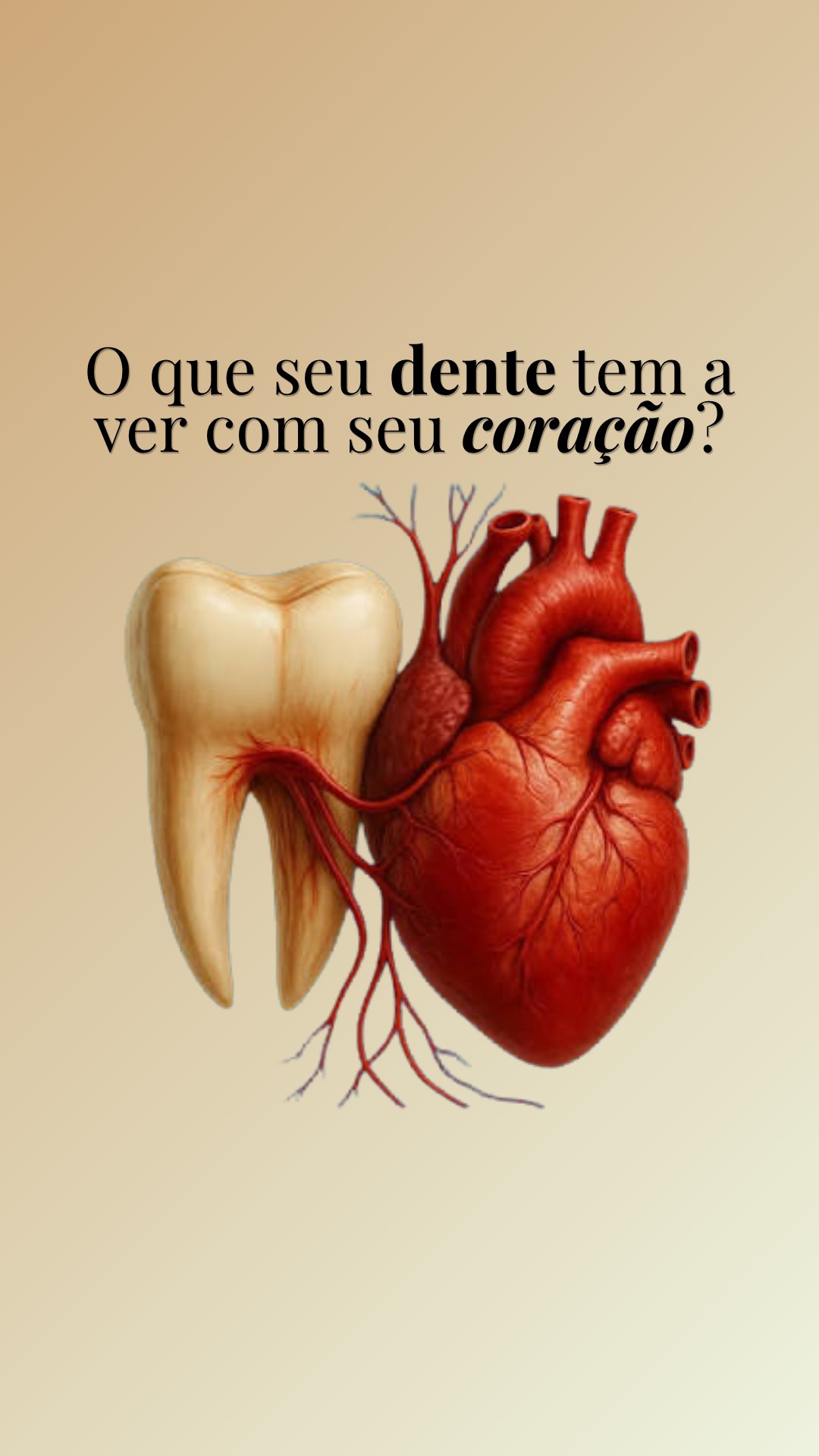
Systemic oral health begins when we stop seeing the tooth in isolation and start viewing it as part of a system: mouth, sleep, nutrition, stress, and routine. More than just "pain-free," a healthy tooth maintains function, preservation, and protection. With simple and consistent choices, prevention can be easy and achievable in your daily life.
Why "Pain-Free" Isn't Enough
Silence isn't health. The absence of pain can hide enamel wear, initial gum inflammation, or slight mineral loss. Moreover, these silent signs tend to accumulate over time. Like a "black box," the tooth records habits in layers: brush pressure, snacking frequency, beverage acidity, and even sleep quality.
In fact, the WHO: oral health emphasizes that health is not just the absence of disease, but well-being and function. Therefore, addressing early signs prevents surprises and more complex procedures later.
What Is a Truly Healthy Tooth
- Preservation: Intact enamel, without cracks or "digs" near the gum.
- Protection: Firm gums that don't bleed easily; saliva present and flowing well.
- Function: Comfortable chewing, clear speech, and preferably nasal breathing during the day and night.
- Comfort: Controlled sensitivity and absence of frequent clenching.
Small Exaggerations That Add Up
- Brushing with force or hard brush → gum recession and wear on the tooth's "curve." Alternative: soft brush and gentle hand.
- Snacking all day and sugary drinks → constant acidity and risk of cavities. Alternative: take breaks between snacks and prioritize water.
- Coffee, wine, and dark sauces without balance → accumulated stains. Alternative: rinse with water after consumption.
- Bruxism/clenching (often due to stress and poor sleep) → microfractures and sensitivity. Alternative: assess protective mouthguard and sleep hygiene.
- Homemade "hacks" with baking soda or lemon → enamel erosion. Alternative: professional cleaning and fluoride toothpaste.
Light Prevention Micro-Habits
- Switch hard brush for soft and reduce pressure. To calibrate, use the non-dominant hand for 1 week.
- Rule 2–2–2: 2 brushings per day, 2 minutes each, and floss once a day.
- After coffee or citrus soda, rinse with water and wait 20–30 minutes before brushing.
- No brush nearby? Sugar-free gum (with xylitol) after meals to stimulate saliva.
- Constant hydration: Keep a bottle nearby and take a 5-minute screen break before bed to promote nighttime saliva.
- Custom protections: Mouthguard for those who grind/clench; mouthguard for contact sports.
- Regular check-ups and cleanings: Set the frequency with your dentist based on your risk.
When to Seek Evaluation, Even Without Pain
- Bleeding during brushing or flossing.
- Sensitivity to cold, hot, or sweet.
- Frequent bad breath, even after hygiene.
- Chips, cracks, or "little teeth" coming loose.
- Grinding noise at night and jaw fatigue in the morning.
If two or more of these signs appear, schedule a consultation early. This way, care is simpler, more comfortable, and predictable.
Mouth Economy: Preservation is Investment
Correcting late usually costs more than preventing early. The "I'll see later" accumulates invisible costs: time, discomfort, and major procedures. Conversely, daily micro-habits act as "health compound interest": 1% of care per day that multiplies in the future.
Therefore, choosing well now protects your smile and your wallet. Equally important, it keeps your routine light.
Next Steps: Drama-Free Prevention
Want light prevention in your feed? Follow practical, objective, and no-exaggeration content. Also, share this guide with someone who needs a gentle nudge to start.
To continue learning with simple and applicable tips, visit Catharina Novaes' practical content. Finally, tell us in the comments which micro-habit you'll test this week.
Frequently asked questions
Why does feeling no pain not mean your teeth are healthy?
Silence is not health. The absence of pain can hide enamel wear, early gum inflammation, or subtle mineral loss—silent signs that add up over time. The tooth records habits in layers: brushing pressure, snacking, drink acidity, and even sleep quality. Looking early prevents surprises and more complex procedures later.
What makes a tooth truly healthy?
A healthy tooth combines preservation (intact enamel, no cracks), protection (firm gums that do not bleed easily and good saliva flow), function (comfortable chewing, clear speech, and nasal breathing), and comfort (controlled sensitivity, no frequent clenching). In other words, it is more than simply being pain-free.
Which everyday habits harm teeth without us noticing?
Brushing hard or with a stiff brush causes gum recession and wear; all-day snacking and sugary drinks create acidity and cavity risk; coffee, wine, and dark sauces stain; bruxism causes microfractures; and homemade hacks with baking soda or lemon erode the enamel.
What micro-habits help prevent oral problems?
Swap a stiff brush for a soft one and reduce pressure; follow the 2-2-2 rule (two brushings a day, two minutes each, and floss once a day); and rinse with water after coffee or citrus soda. Small, consistent choices make prevention light and achievable.