Preventive dental care Porto patients often overlook can be the difference between keeping your teeth for life and losing them far too soon. Small decisions made every day — skipping flossing, delaying a routine appointment, brushing too quickly — rarely cause immediate pain. Instead, they quietly accumulate into consequences that only reveal themselves months or years later, often when reversing the damage is no longer possible.
The Problem with Invisible Damage
Most people only visit the dentist when something hurts. The challenge is that pain is almost always a late signal — by the time discomfort becomes impossible to ignore, significant harm has already occurred.
Consider gum disease as an example. It starts as gingivitis, a mild inflammation that is still fully reversible with consistent care. Left unchecked, it advances to periodontitis, a condition in which the bone supporting your teeth begins to break down permanently. According to research from the University of São Paulo, the World Health Organization estimates that 3.5 billion people worldwide live with some form of oral disease — and periodontal disease is the leading cause of tooth loss in adults.
The takeaway is simple: the tooth that does not hurt still needs attention.
Why Your Dentist Keeps Repeating the Same Advice
If you have ever felt like your dental appointments include the same reminders every time, you are not imagining it. Research published in a leading orthodontic journal found that 88.89% of orthodontic patients reported receiving hygiene guidance — yet their clinical check-ups still showed unsatisfactory hygiene results.
This finding reveals something important: hearing advice once is not enough to change daily behaviour. The professional who returns to the same points is not being repetitive; they are actively closing the gap between knowing what to do and consistently doing it.
A structured education and motivation programme followed over 24 weeks produced statistically significant improvement across every hygiene measure studied. In other words, the repetition is a tool, not an oversight.
The Real Cost of Waiting
The mathematics of prevention are straightforward. Nearly 100% of adults develop at least one cavity during their lifetime, and between 15 and 20% suffer from severe gum disease, according to Brazil's Federal Council of Dentistry and the World Health Organization.
A 30-minute check-up every six months can intercept a cavity before it requires a root canal. It can also identify early gum recession before it becomes tooth loss. Treating problems at their earliest stage is faster, less uncomfortable, and far less costly than addressing what was allowed to grow unchecked. For a closer look at how often you should visit your dentist and why that frequency matters, that resource goes deeper into the numbers.
The cost of consistent prevention — in time, money, and discomfort — is always lower than the cost of treating what was left to develop.
Your Mouth Reflects Your Overall Health
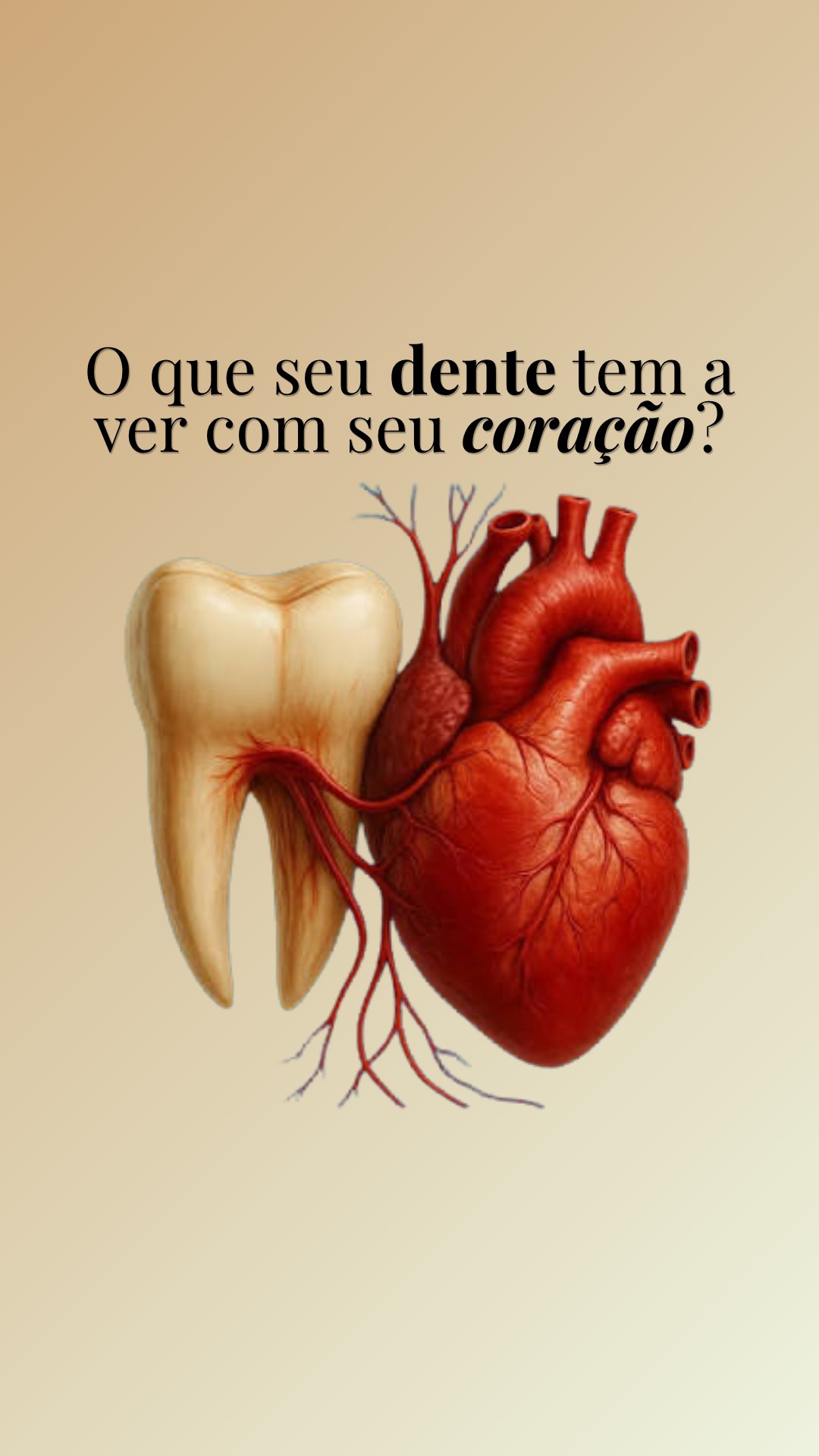
Oral health does not work in isolation from the rest of your body. Scientific research has established clear links between gum disease and cardiovascular disease, poorly controlled diabetes, and complications during pregnancy.
The bacteria that cause gum disease can enter the bloodstream and contribute to inflammation throughout the body. As a result, keeping your gums healthy is also, in a very real sense, a way of looking after your heart and your general wellbeing. This connection makes professional check-ups especially important for anyone already managing a chronic health condition.
The Dentist You Need, Not Just the One You Want
There is a growing cultural pressure toward quick results: rapid whitening, instant veneers, cosmetic shortcuts that promise visible change with minimal effort. These treatments certainly have their place — but they work best, and last longest, when built on a foundation of genuine oral health.
An orthodontist who insists on consistent retainer use is not being unnecessarily strict. A clinician who flags the early signs of gum recession is not trying to alarm you. These professionals are fulfilling exactly what their role demands: protecting the long-term health of your smile rather than simply making the appointment feel comfortable.
The uncomfortable truths about dental care are often the ones that carry the greatest long-term value — regular check-ups, daily flossing, protecting the results of treatments already completed. Their importance only becomes clear years later, when the problems they prevented simply never arrive.
Building Habits That Actually Last
Good oral health does not require perfection. Consistency, however, is non-negotiable. A few practical habits make a measurable difference over time:
- Brush for two full minutes, twice a day, with a soft-bristle toothbrush.
- Floss once a day — it reaches the spaces where a brush cannot go, which is exactly where gum disease most often begins.
- Attend a professional check-up every six months, even when nothing feels wrong.
- Report early signals: sensitivity, bleeding gums, or any tooth that feels different are all worth mentioning before they progress.
For those currently in orthodontic treatment, maintaining good hygiene is even more critical. Studies confirm that neglecting oral care during treatment can leave permanent white marks on the enamel that remain visible long after the braces come off. A practical guide on how to brush properly with braces can help you protect your results throughout the entire process.
Ready to Prioritise Your Smile in Porto?
Preventive care works best when it is tailored to the person receiving it. Your risk factors, your health history, and your daily habits all shape what your smile specifically needs — and a professional evaluation is the clearest way to understand where you stand.
If you are in Porto and ready to take your oral health seriously, the most valuable first step is a conversation. Reach out via WhatsApp to schedule your evaluation. The right time to start is always now — before small, invisible problems have the chance to become irreversible ones.
Frequently asked questions
Should I only see a dentist when something hurts?
No. Pain is almost always a late signal; by the time discomfort becomes impossible to ignore, significant harm has already occurred. Gum disease starts as gingivitis, a mild inflammation still fully reversible, but left unchecked it advances to periodontitis, where the bone supporting your teeth breaks down permanently. The tooth that does not hurt still needs attention.
How serious is gum disease?
According to research cited in the article, the World Health Organization estimates that 3.5 billion people worldwide live with some form of oral disease, and periodontal disease is the leading cause of tooth loss in adults. It progresses quietly from reversible gingivitis to permanent bone loss, which is why catching it early through regular care matters so much.
Why does damage happen without any pain?
Because the most common oral diseases develop silently. Small daily decisions, like skipping flossing, delaying a routine appointment or brushing too quickly, rarely cause immediate pain. Instead they quietly accumulate into consequences that only reveal themselves months or years later, often when reversing the damage is no longer possible.