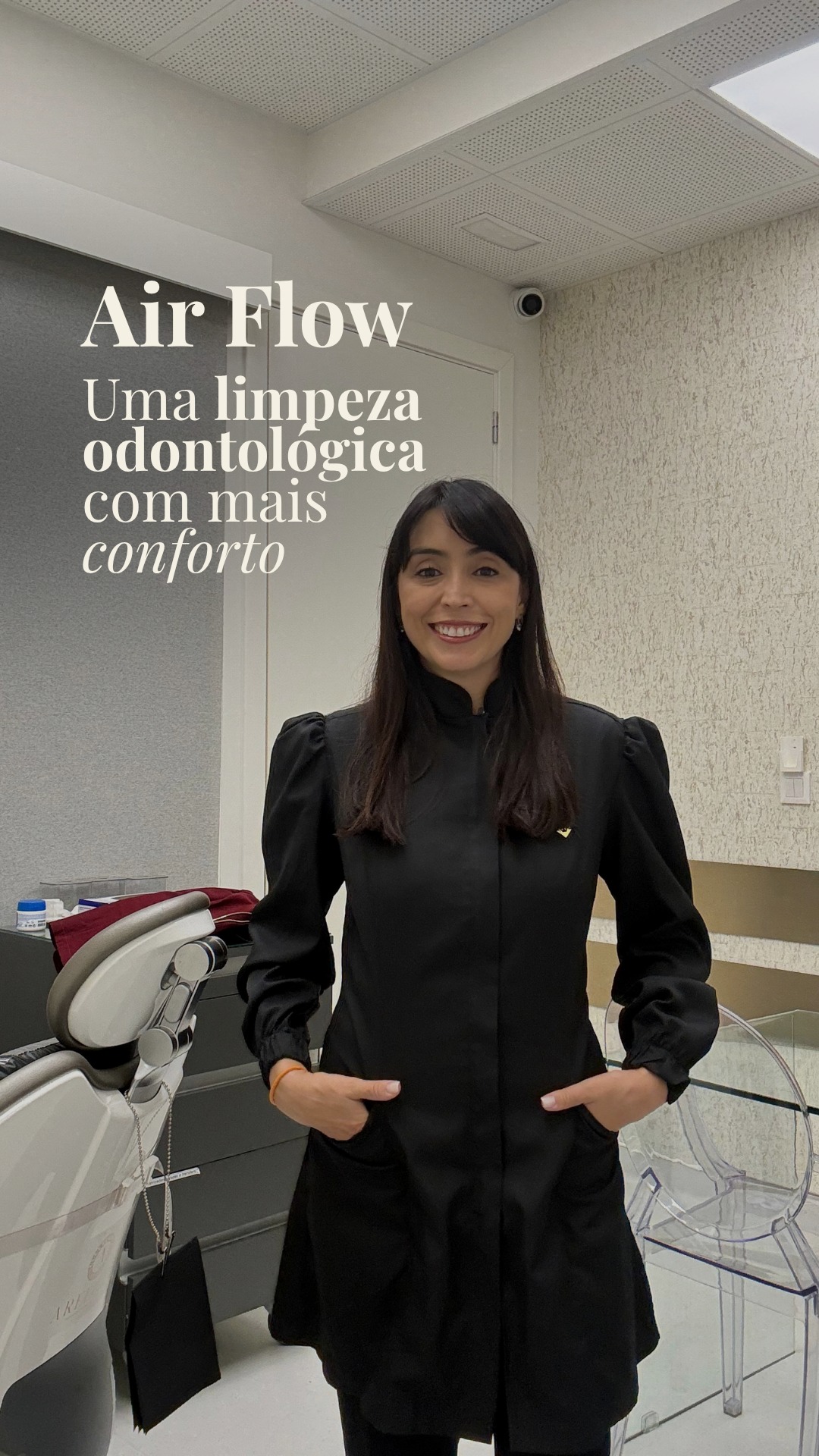
Air Flow dental cleaning is changing the way people experience their routine hygiene appointments. For years, many patients dreaded the sound of metal tools scraping against their teeth — and the sharp sensitivity that often followed. Today, a Swiss-made technology called Air Flow offers a gentler, more comfortable alternative that still delivers exceptional results.
What Is Air Flow Technology?
Air Flow is a device that combines warm water, ultra-fine erythritol powder, and a controlled jet of air to remove plaque, stains, and bacteria from your teeth and gums. The powder particles are incredibly small — just 14 micrometers — which means the treatment feels more like a gentle spritz than a scrape. Developed in Switzerland, it has become the centerpiece of the GBT (Guided Biofilm Therapy) protocol, currently considered the most advanced approach to preventive dental care in the world.
Why Does Traditional Cleaning Sometimes Hurt?
Traditional dental cleaning relies on metal instruments called curettes and ultrasonic scalers that physically scrape plaque and calculus from the tooth surface. This mechanical process can remove a significant layer of enamel — research shows up to 128 micrometers per session. For patients with sensitive teeth, the cold water and vibrations involved can trigger real discomfort.
Sensitivity during cleaning is not a sign of weak teeth or poor oral hygiene. It is simply how some teeth respond to temperature changes and the pressure of conventional tools. The good news is that this experience no longer has to be the standard.
How Air Flow Reduces Sensitivity
The secret lies in two key differences: temperature and technique. Unlike traditional instruments that rely on cold water, Air Flow uses water warmed to near body temperature — which eliminates the thermal shock that triggers sensitivity in many patients.
Additionally, the erythritol powder used in Air Flow is far gentler than conventional methods. A study from the University of Coimbra found that erythritol causes a loss of only 11 micrometers of enamel, compared to 128 micrometers from traditional curettes. Your teeth, therefore, experience significantly less wear during the procedure. Furthermore, clinical trials published on PubMed confirm lower tissue damage and higher patient comfort ratings when Air Flow is used.
Who Benefits Most from Air Flow?
Air Flow is a great fit for many different types of patients. Here is a closer look at who tends to benefit the most:
- Patients with sensitive teeth — warm water and gentle powder make a real difference
- Children and teenagers — the procedure is faster and completely painless
- People with braces — Air Flow reaches spots that traditional instruments struggle to access
- Patients with dental anxiety — no scraping sounds, no cold water shocks
- People with dental implants — a specific Air Flow protocol helps maintain implant surfaces safely
Even if you have never experienced sensitivity before, Air Flow simply makes every cleaning appointment more pleasant. That is why more and more families are making it a regular part of their oral care routine.
Air Flow vs. Traditional Cleaning: What Science Says
The evidence supporting Air Flow is not just anecdotal. A randomized controlled trial on Air Flow for periodontitis found that it performs as effectively as conventional therapy for managing gum disease, with the added benefit of less tissue damage. Another study confirmed its effectiveness in removing biofilm from implant surfaces — an area where traditional tools can sometimes cause unintended harm.
These results do not mean traditional cleaning is ineffective. Rather, they show that Air Flow represents a meaningful upgrade — one that maintains excellent clinical outcomes while significantly improving the patient experience.
The GBT Protocol: Modern Care with Precision
Air Flow is the main tool in the Guided Biofilm Therapy (GBT) protocol, an eight-step system that uses disclosing agents to make bacterial biofilm visible before removing it. This approach allows your dentist to target exactly where the problem is — rather than cleaning everything the same way regardless of individual need.
The GBT protocol has been shown to reduce chair time by up to 30% while improving outcomes, especially for patients with gum disease or implants. For this kind of professional treatment to last, it also helps to build strong daily habits at home — see our article on daily oral hygiene consistency for practical tips.
Ready for a Cleaning That Actually Feels Good?
If sensitivity or discomfort has been keeping you — or your family — away from regular dental visits, Air Flow may be exactly what you have been waiting for. The technology is proven, the experience is genuinely comfortable, and the results speak for themselves.
Schedule your appointment today and discover what modern dentistry feels like. Chat with us on WhatsApp — we will be happy to answer any questions and help you get started.