Pacifier effects on teeth are more significant than many parents realize — and knowing when to act can protect your child's smile for years to come. Most babies use pacifiers in the early months, and that is completely normal. However, as your child grows, the same habit that once brought comfort can start to reshape developing bones and teeth in ways that may require orthodontic treatment down the line.
The good news? When parents act at the right time, most of these changes can reverse on their own — no braces needed.
Why Pacifiers Are Fine — At First
Pacifiers serve a real purpose in a baby's early months. Non-nutritive sucking is a natural reflex, and research links pacifier use in infants to a reduced risk of sudden infant death syndrome (SIDS). So no, the pacifier is not the enemy from day one.
The problem begins with time. Studies consistently show that the duration of use is a bigger factor in dental problems than the shape or brand of the pacifier — this includes "orthodontic" models, which reduce but do not eliminate the risk.
What Happens to Your Child's Teeth
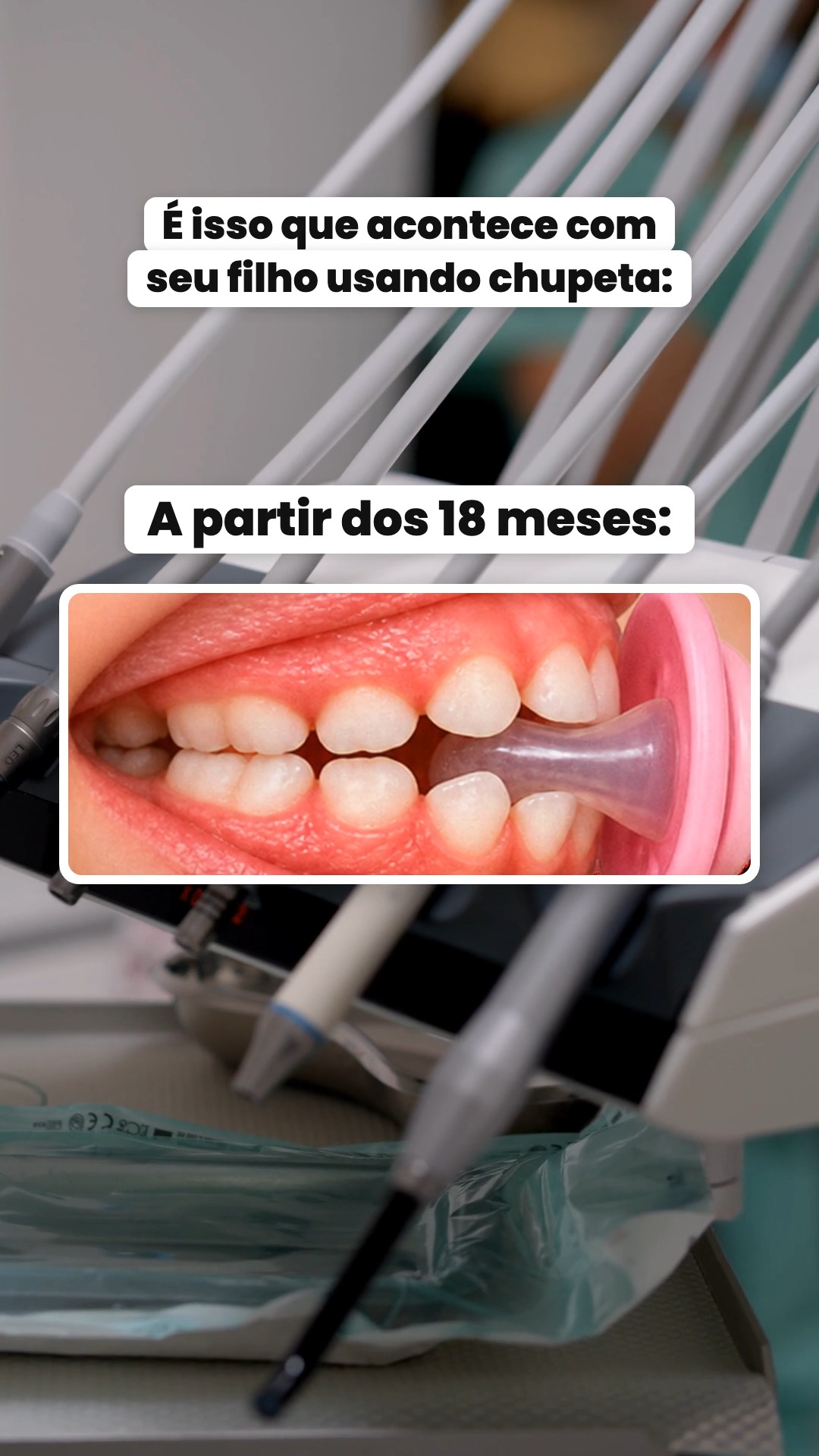
The mouth is not rigid. Bones and teeth respond to consistent pressure, and a pacifier creates exactly that — day after day, month after month. As a result, prolonged use is linked to several bite problems that specialists call malocclusions.
The most common is an open bite, where the front teeth do not touch even when the mouth is closed. Research from Brazil found open bites in up to 76.7% of children who used pacifiers regularly. Another frequent issue is a posterior crossbite, where the upper back teeth sit inside the lower ones instead of outside. Additionally, children may develop protruding front teeth, dental crowding, and a narrower palate.
These changes can also affect speech. An open bite makes it harder to pronounce sounds like /s/, /z/, /t/, and /d/ — the very sounds children are practicing between ages 2 and 3.
The 1-2-3 Timeline Every Parent Should Know
Dental specialists and pediatricians — including the Brazilian Society of Pediatrics — recommend a clear timeline for phasing out the pacifier:
- By 1 year old: Start gradually reducing use. A good first step is limiting it to sleep time only.
- By 2 years old: Ideally, the pacifier should be completely gone.
- By 3 years old at the latest: After this point, dental changes are less likely to reverse on their own and may require orthodontic treatment.
The key insight here is that early withdrawal gives the mouth a real chance to self-correct. When the pressure is removed before the bones harden, the dental arch often returns to a healthier shape naturally.
"Orthodontic" Pacifiers: Do They Really Help?
Many parents choose orthodontic pacifiers hoping to give their child's teeth extra protection. These models are designed to reduce pressure on the palate and front teeth — and they do offer some benefit. However, the shape of the pacifier is not the central factor. Time is.
A child who uses an orthodontic pacifier until age 4 faces greater dental risk than a child who uses a standard pacifier and stops at 18 months. So while choosing a better shape is a reasonable step, it should not replace the goal of stopping on schedule.
How to Help Your Child Let Go
Stopping the pacifier can sometimes feel harder on the parents than on the child. These are some approaches that tend to work well:
- Around 12 months: Offer the pacifier only during sleep, not during wakeful periods.
- Around 18 months: Begin reducing night use — try removing the pacifier once your child is fully asleep.
- Around 2–3 years: Children this age can understand simple explanations. A "goodbye pacifier" ritual — leaving it for a baby animal, a fairy, or simply placing it in the bin together — can make the change feel positive and empowering.
Avoid sudden withdrawal during stressful transitions, such as starting daycare or welcoming a new sibling. Timing the change well makes a real difference.
Why Baby Teeth Matter More Than You Think
Some parents wonder whether any of this matters, since baby teeth fall out anyway. In fact, baby teeth play a critical role in development — they hold space for permanent teeth, guide jaw growth, and support speech. Problems that begin during the baby teeth stage often carry forward, and treating them early is always simpler than correcting them later.
If your child already shows signs of bite problems, an early orthodontic evaluation can make a real difference. These consultations are designed to catch changes while the bones are still growing and treatment options are wider.
When to See a Dental Professional
You do not need to wait for a visible problem before booking a first appointment. The ideal time to bring your child to a dental or orthodontic consultation is around their first birthday — right as you begin reducing pacifier use. This allows the professional to track your child's development over time and guide you with confidence.
If your child is already past that stage and still using a pacifier, there is no reason to panic. What matters most is starting to act now rather than waiting further.
Take the Next Step for Your Child's Smile
If you have questions about your child's dental development or want guidance on when and how to phase out the pacifier, we are ready to help. Reach out on WhatsApp for a friendly, judgment-free conversation.